Le Maroc, gendarme payé de l'Europe : la migration comme monnaie d'échange
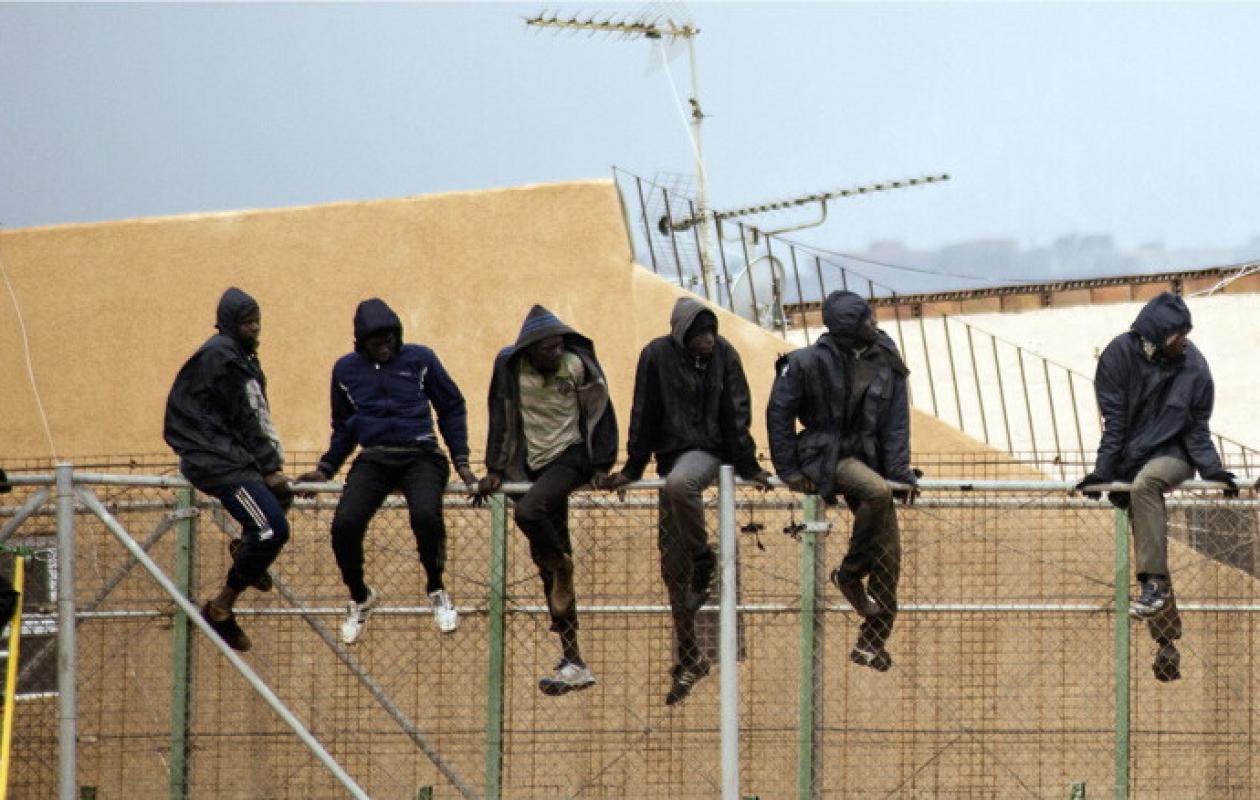
The timing alone tells a story. At the end of July 2026, tens of thousands of people attempted to cross the border into Ceuta: Spain reported 50,000 to 60,000 entries, while Morocco acknowledged around 40,000. A few weeks later, Brussels announced the allocation of €190 million.
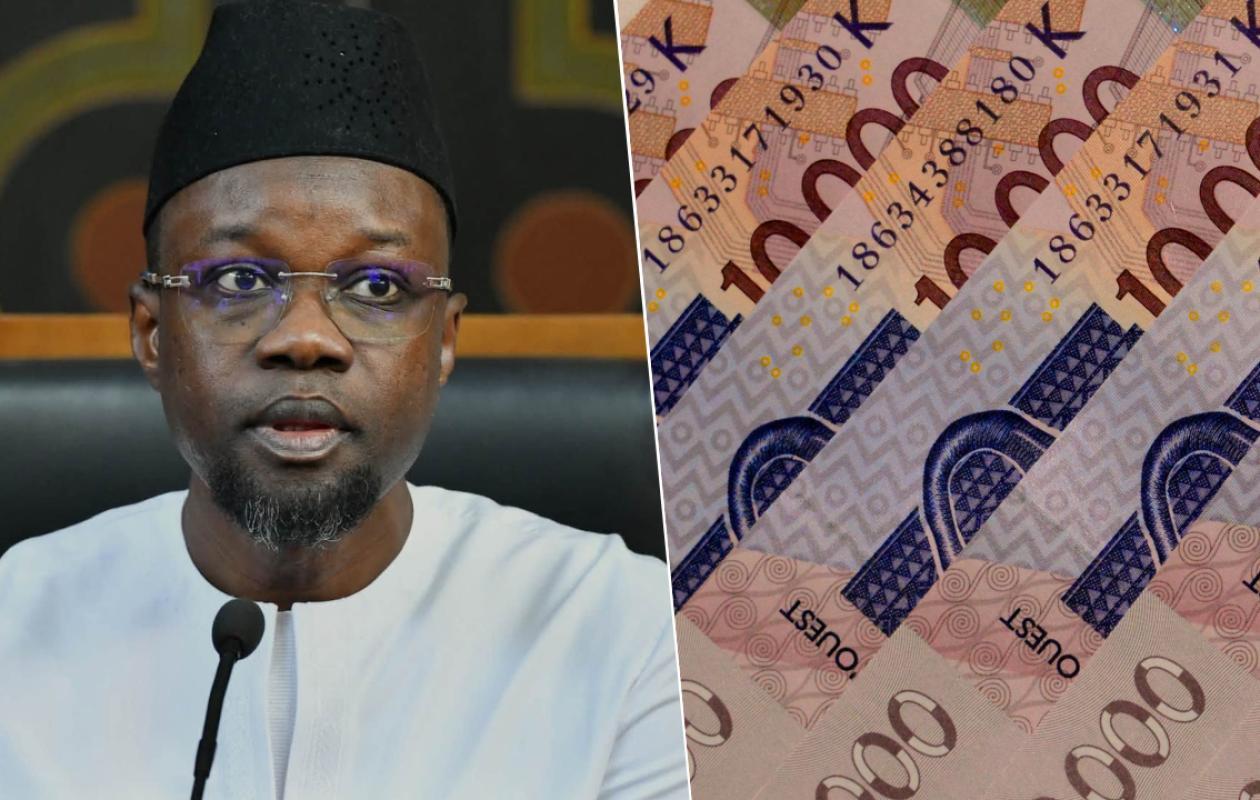
Officially, it is simply a matter of budgetary continuity: the European Commission had already committed 222 million euros between 2021 and 2024, and plans these additional 190 million by the end of the budget cycle in 2027. However, the coincidence of the dates fuels a more political interpretation: that of a Europe paying to calm things down immediately after a crisis, rather than to build a sustainable long-term migration policy.
What Brussels is trying to achieve
The real issue lies not in this isolated funding, but in the strategic framework within which it is situated. These new funds must be integrated into the comprehensive strategic partnership agreement currently being developed between the EU and Morocco, which Brussels hopes to conclude by the end of 2026.
Modeled on agreements already signed with Tunisia, Egypt, and Jordan, this partnership extends far beyond migration. It encompasses economic development, regional integration, the energy transition, digital transformation, and education, based on a "tailor-made" approach to commitments. However, its core remains security-focused: the stated objective is to strengthen cooperation through specific commitments from Rabat regarding border management and migration control.
The long-standing sticking point—still unresolved to this day—remains the agreement on the readmission of irregular migrants, including third-country nationals who have transited through Moroccan territory. A veritable diplomatic "perennial issue," this matter is stalled: while Morocco has agreed to negotiate readmission within the framework of the association agreement, the European counterpart concerning visa facilitation is a source of considerable disagreement.
Organizations like La Cimade describe the mechanism bluntly: Morocco would be forced to readmit sub-Saharan nationals who had transited through its territory, which would require it to develop detention centers to organize their repatriation. The mobility agreement would thus allow this readmission agreement to be presented in a more attractive diplomatic package.
A critical analysis of the European approach highlights this conditionality: the European Commission makes all aspects of the partnership contingent on the signing of the readmission agreement, stating its readiness to deepen cooperation with Morocco only if these negotiations are successful. Some describe this approach as blackmail, even though the power dynamic is reciprocal, as Rabat is equally adept at manipulating migratory pressure.
Aware of the purely security-focused image conveyed by this type of agreement, Brussels is attempting to correct its course. The European Commissioner for the Mediterranean, Dubravka Šuica, assures that the future partnership will include strict human rights clauses, coupled with monitoring mechanisms. It remains to be seen whether these guarantees will truly carry weight against the imperatives of border security control, especially given that the history of mobility partnerships between the EU and Morocco offers little cause for optimism.
A change of scale, not of nature
On the financial front, the quantitative leap is significant. We are moving from an accumulation of ad hoc programs—such as the €152 million budget support program launched in 2023—to an ambitious framework agreement, intended to be comparable to the one concluded with Egypt (a comprehensive €7.4 billion agreement also covering trade and energy). Morocco stands to gain in financial visibility and diplomatic status as an essential sub-regional partner.
However, a major legal reality complicates matters, although it is largely absent from Brussels' talking points: the Court of Justice of the European Union (CJEU) invalidated the EU-Morocco agricultural and fisheries agreements in 2024 on the grounds of respecting the right to self-determination of the people of Western Sahara. This decision has weakened bilateral relations, as Rabat considers its sovereignty over the southern provinces to be strictly non-negotiable. As long as this legal situation remains unresolved, any large-scale agreement remains legally precarious, regardless of the political intentions of the two parties.
The border as a currency of exchange
On the ground, the Ceuta episode has solved nothing. Less than a month after the mass arrivals, new official Moroccan statements concerning the Spanish enclaves have reignited tensions with Madrid, reviving the accusation already made in 2021: that of a deliberate use of migratory pressure as a lever of diplomatic action.
This is where a critical perspective is needed: presenting these 190 million euros as simple development aid obscures the fact that the border remains, for both capitals, a bargaining chip. Ultimately, it is migrants—primarily sub-Saharan Africans—who bear the human cost of this standoff between Rabat and Brussels, without ever being consulted on the terms of an agreement that ultimately determines their fate.


















Commentaires (0)
Participer à la Discussion
Règles de la communauté
💡 Astuce : Utilisez des emojis depuis votre téléphone ou le module emoji ci-dessous. Cliquez sur GIF pour ajouter un GIF animé. Collez un lien X/Twitter, TikTok ou Instagram pour l'afficher automatiquement.
Se connecter
Commentez avec votre profil, votre photo, et soyez averti des réponses.