Alerte sur le pétrole : « Le monde au bord du gouffre si le détroit d'Ormuz est bloqué », prévient Modibo Diop
Invited to the program "Jury du Dimanche" (JDD) on Iradio, Senegalese engineer Modibo Diop, a graduate of the École Polytechnique, detailed the alarming economic consequences of the crisis between Iran, the United States, and Israel. According to him, "the disruption of oil transport in the Persian Gulf could trigger a major energy and inflationary shock, with repercussions extending to African economies."
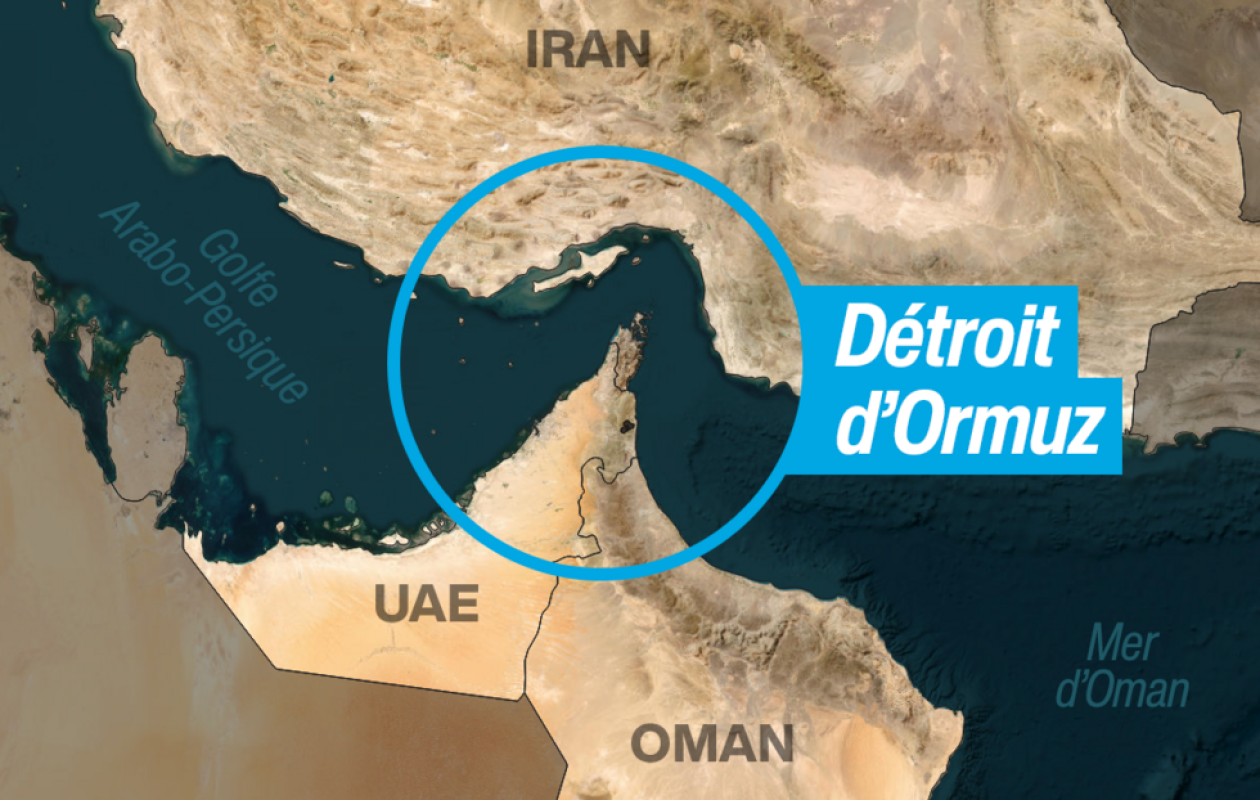
At the heart of the concerns lies the Strait of Hormuz, a strategic maritime passage located between Iran and the Sultanate of Oman. Barely 33 kilometers wide, this corridor sees a considerable portion of the world's oil pass through every day. According to Modibo Diop, "approximately 20 million barrels of oil circulate through it daily, transported by gigantic tankers capable of carrying up to 300,000 tons of fuel."
"The world consumes nearly 100 million barrels of oil per day. A large part of this production passes through this strait. If this corridor is blocked, the entire global energy supply chain is disrupted," explains the engineer.
An immediate surge in prices
Military tensions have already had a tangible impact on the markets. The benchmark Brent crude, which serves as an indicator for nearly 70% of global oil, has risen from around $65 to almost $110 in just a few weeks. According to the Senegalese expert, this increase poses a direct threat to importing economies, particularly in Africa.
“When the price of oil rises, governments are forced to adjust their budgets. Some countries have already raised fuel prices. If the crisis continues, countries like Senegal will also have to consider price transparency,” he warns. Beyond the energy sector, Modibo Diop fears a domino effect. According to him, an energy crisis could quickly lead to an industrial crisis, a food crisis, and then a global financial crisis.
Two scenarios for the future
The expert outlines two possible trajectories for the coming months. The first scenario is that of a short crisis: if tensions subside quickly, the effects could remain limited, although price adjustments will still be necessary. The second scenario, much more pessimistic, predicts a prolonged crisis. In this case, the price of a barrel of oil could reach $150 to $200, triggering massive inflation. "Such a situation could increase prices by 30% or more. In some countries, it could even lead to political crises," Modibo Diop believes.
The challenge of local transformation in Africa
Despite the rise of renewable energies, the engineer remains convinced that oil will remain indispensable. Maritime transport, aviation, and heavy industry do not yet have viable alternatives to kerosene or marine fuels. Modibo Diop's analysis also points to a structural contradiction: Africa produces oil but often imports its refined products. He cites the Dangote refinery in Nigeria, capable of processing 650,000 barrels per day, as a model to follow to break this dependence.
“Africa’s future lies in local processing. We must refine our oil instead of exporting it crude to buy back the finished products,” he insists. To achieve this, he advocates for the emergence of “national champions” supported by coherent public policies. He concludes by stating that each African country must encourage its own “Dangotes,” because development depends on a strong national private sector.






















Commentaires (7)
Participer à la Discussion
Règles de la communauté
💡 Astuce : Utilisez des emojis depuis votre téléphone ou le module emoji ci-dessous. Cliquez sur GIF pour ajouter un GIF animé. Collez un lien X/Twitter, TikTok ou Instagram pour l'afficher automatiquement.
Se connecter
Commentez avec votre profil, votre photo, et soyez averti des réponses.