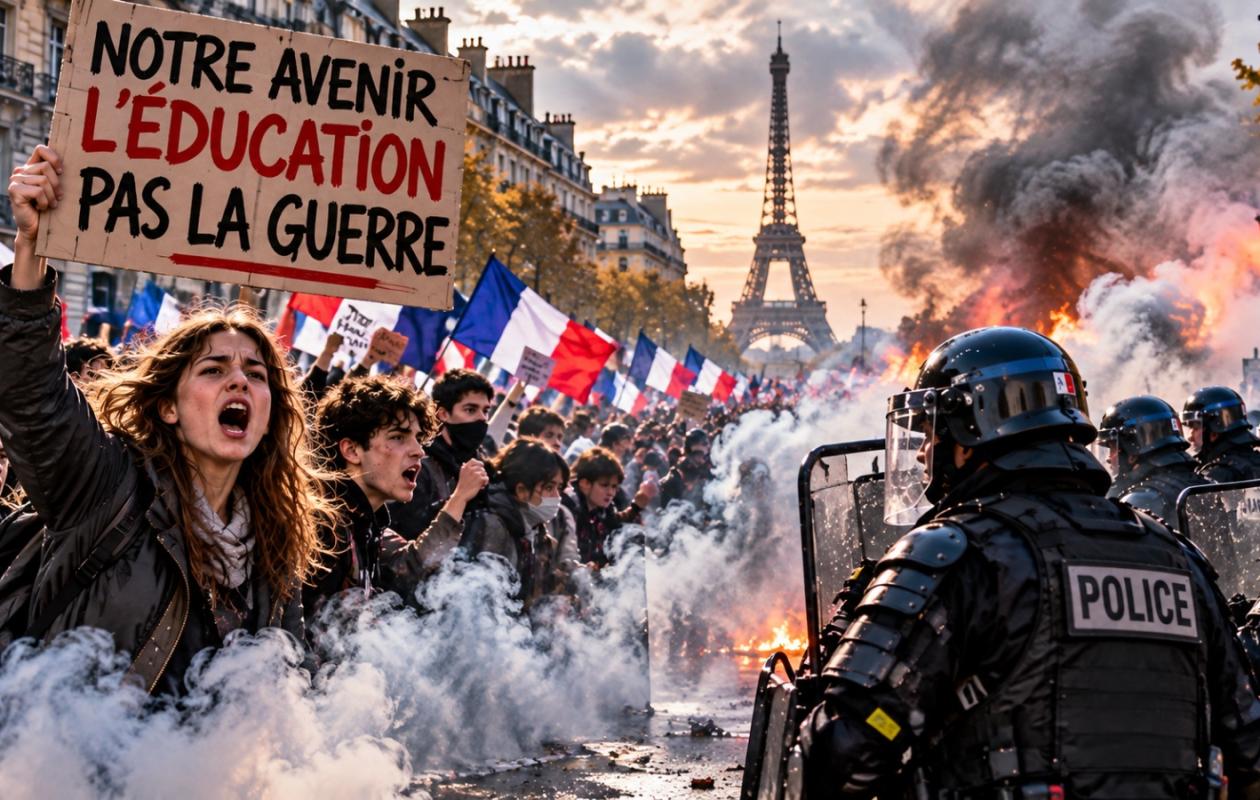
Amnesty International exige que Paris protège les manifestants sur fond de centaines d’arrestations et de blessés
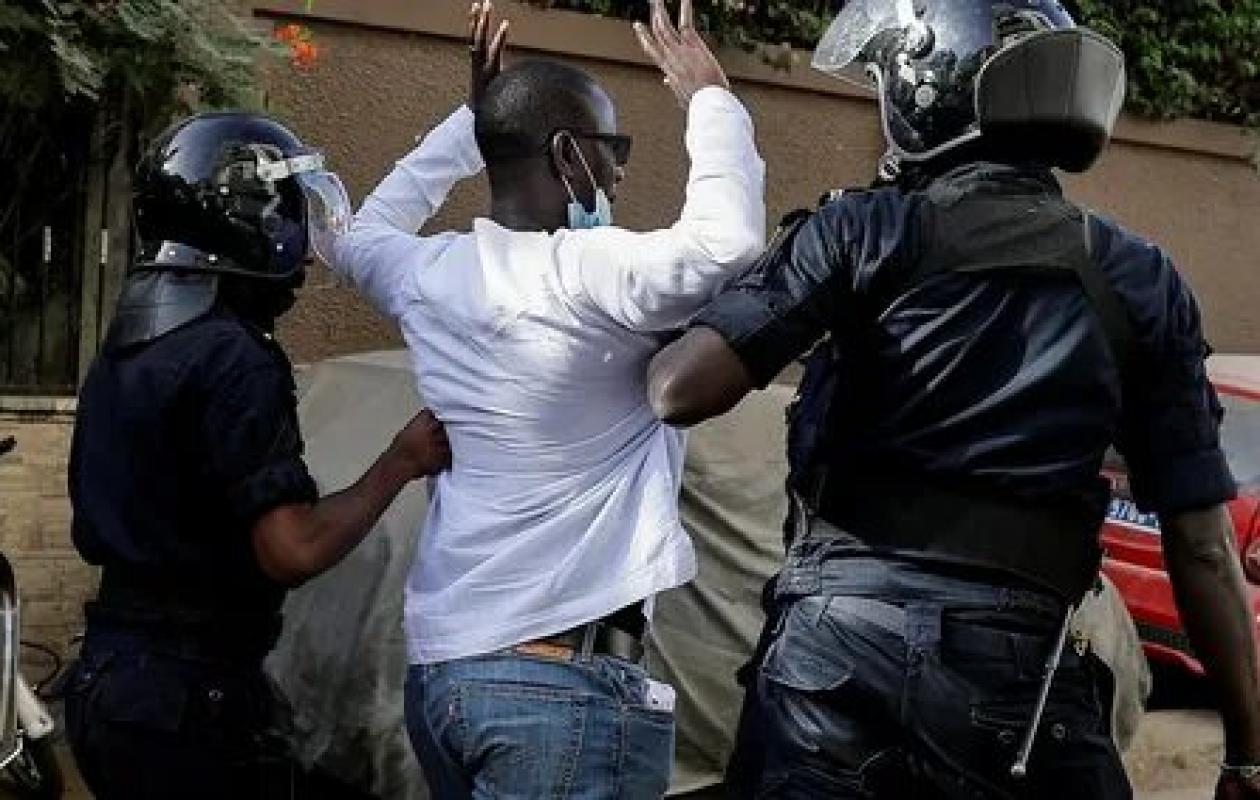
Massive demonstrations by high school and university students in France have resulted in hundreds of arrests and injuries. According to police, approximately 500 people were arrested during the demonstrations, and more than 6,100 since the start of the protests, most of them minors. At least 715 police officers and gendarmes, 215 teenagers, and 85 school staff members have been injured. According to union estimates, between 266,000 and 450,000 people took to the streets on October 6, including between 40,000 and 100,000 in Paris.
The causes of this outpouring of discontent are structural. Student unions cite underfunding of education, a shortage of teachers, overcrowded classrooms, and dilapidated infrastructure. Education spending has stagnated for over a decade. Protesters point to budget cuts to schools while military spending increases. This is compounded by a general economic crisis, linked to rising fuel prices, inequality, poverty, and France's public debt, which has exceeded $4 trillion.
In this context, the international human rights organization Amnesty International strongly condemned the actions of the French police. The president of Amnesty International France, Anne Savinel-Barra, stated that the authorities had an obligation to ensure the safety of the young protesters and to put an end to a "disproportionate police response."
"Children and young people who peacefully demand their right to education must be protected, not beaten, exposed to tear gas or arbitrarily arrested," she stressed.
Human rights defenders reported that over the past week, there have been instances of the "indiscriminate" use of tear gas and rubber bullets, resulting in serious injuries, including the amputation of a 15-year-old's hand in Lens and the loss of sight of a 16-year-old in Tours. Amnesty International called on French authorities to take all possible precautions to prevent the use of force in the future.
The protests erupted in the midst of preparations for the 2027 presidential campaign. As Le Figaro notes, the social unrest, caused by rising fuel prices and discontent with fiscal policy, threatens to destabilize the electoral race and could benefit both the far-right National Rally and the far-left La France Insoumise movement.
In the context of the protests, the positions of the main political forces are undergoing significant shifts. According to polls, Jean-Luc Mélenchon's approval rating is steadily rising. While 12% of voters supported him in April 2026, this figure had climbed to 16-17% by September, and in some scenarios, it reaches 20%, confidently placing the leader of La France Insoumise in the second round. His support is particularly high among young people. 47% of French people aged 18 to 34 are prepared to vote for him in the first round.
At the same time, the centrist camp led by Emmanuel Macron is rapidly losing popularity. According to Odoxa, the incumbent president's approval rating has plummeted to a historic low of 18%, down 7 points from June. Prime Minister Sébastien Lecornu's rating has also fallen sharply, to 24%. According to Ipsos BVA-CESI, only 16% of French people consider Macron a good president, the lowest level since the start of his term.













Commentaires (3)
Participer à la Discussion
Règles de la communauté
💡 Astuce : Utilisez des emojis depuis votre téléphone ou le module emoji ci-dessous. Cliquez sur GIF pour ajouter un GIF animé. Collez un lien X/Twitter, TikTok ou Instagram pour l'afficher automatiquement.
Se connecter
Commentez avec votre profil, votre photo, et soyez averti des réponses.