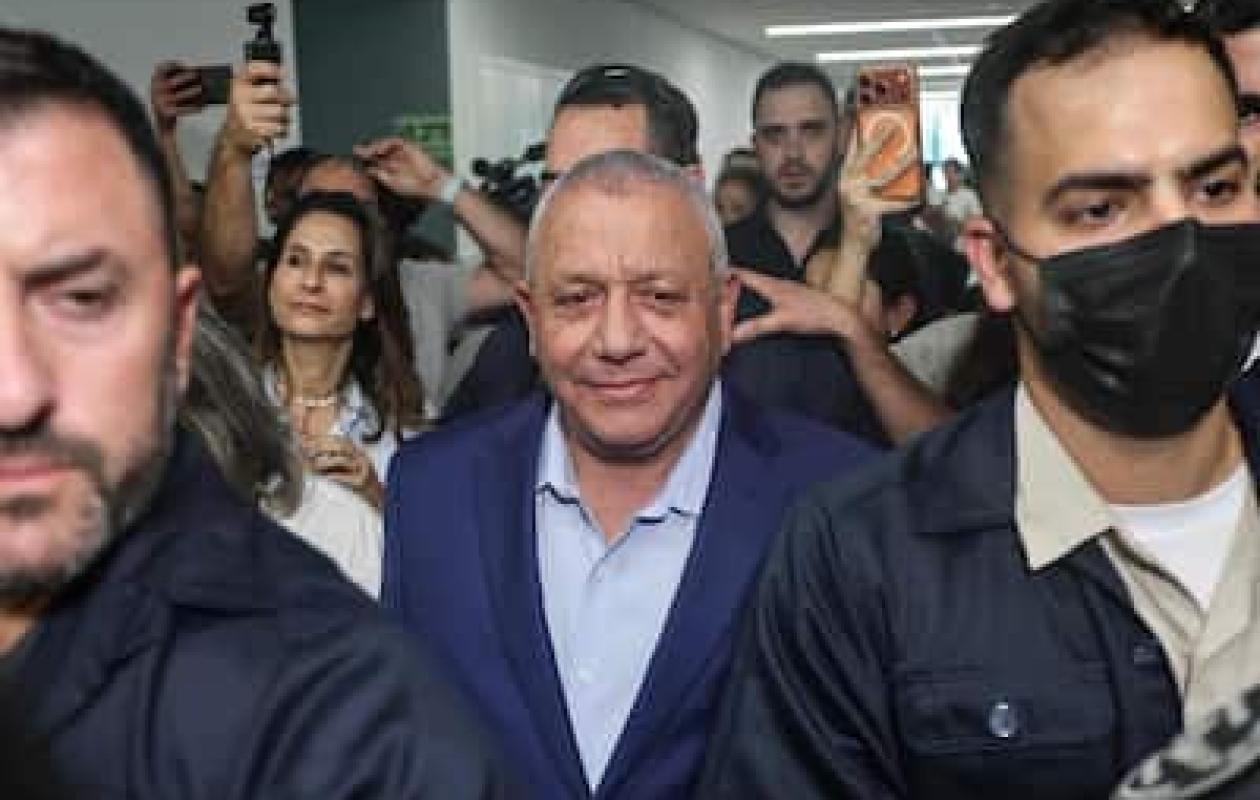
Elections en Israël: l'opposition devant mais sans majorité, les partis arabes en force
According to exit polls from television channels 11, 12 and 13, the "change bloc" led by centrist Gadi Eisenkot is expected to win between 52 and 53 of the 120 seats in the Knesset, the Israeli parliament, while Netanyahu's outgoing coalition is expected to win 50.
The two Arab-Israeli lists are emerging as possible kingmakers, with projections giving them 17 or 18 seats, a significant increase.
Mr. Netanyahu remains, however, at the head of the party with the most seats: according to initial estimates, Likud is winning 24 or 25 seats, just ahead of Mr. Eisenkot's Yashar party.
While these estimates are not definitive, the lack of a majority means that the parties will now embark on weeks of intense negotiations to try to reach the 61 seats needed to form a governing coalition.
The Electoral Commission will gradually publish the results, during the night of Tuesday to Wednesday, a process that could last several days.
These first parliamentary elections since the Hamas attacks in Israel on October 7, 2023, were marked by a participation not seen for several decades, a sign of the decisive nature of this election in the eyes of many Israelis.
Tens of thousands of expatriates returned home just to vote, including Eilana Zisblit, 55, who has lived in Canada for almost 30 years.
"The country is going in a bad, a very bad direction," she said this morning outside a polling station in the Jerusalem neighborhood where she grew up. "I feel it's now or never" to vote, "otherwise the country really risks not surviving."
The elections come amid growing international criticism of the conduct of the war in Gaza, as well as violence and settlement expansion in the occupied West Bank, under the most right-wing government in Israel's history.
The results will be scrutinized worldwide, as Mr. Netanyahu once again escalates threats against Iran, risking further escalating a conflict whose repercussions are felt far beyond the Middle East.
Faced with the impasse, one of the keys to achieving a governing majority could be the Israeli Arab minority, which makes up nearly 20% of the population and says it is being discriminated against like never before.
"I want change," says Asia Egbaria, a 23-year-old law student, after voting in Umm al-Fahm, a predominantly Arab city in the north. "I no longer want to be treated as a second- or third-class citizen. I just want to live in peace and tranquility."
It is on this minority that Mr. Netanyahu has focused his attacks, accusing the Raam party on Tuesday of wanting to "steal the election", after the arrest of three men with envelopes filled with cash.
Electoral authorities described it as an "isolated incident," and Mr. Eisenkot accused him of "preparing the ground" for a possible challenge to the results. Raam leader Mansour Abbas denounced the Prime Minister's "lies" aimed at galvanizing right-wing voters.
The memory of October 7th weighed heavily in this election, and Mr. Eisenkot, who accuses the Prime Minister of being responsible for the security failures, promised to set up an independent commission of inquiry if he comes to power.
Throughout the campaign, Mr. Netanyahu tried to convince people that he had since weakened Israel's enemies by waging several wars, including the one that reduced Gaza to rubble.
He promised, in the event of victory, to "finish the job" in Iran, and highlighted his close relationship with US President Donald Trump who had given him his support.
For opponents of the outgoing coalition, this election is crucial to saving Israeli democracy, as Benjamin Netanyahu, on trial for corruption charges, has relentlessly attacked the judiciary.
Gadi Eisenkot ran a more discreet campaign than the current Prime Minister, focusing on an image of sobriety and seriousness, and promising to "bring all Israelis together again".









Commentaires (0)
Participer à la Discussion
Règles de la communauté
💡 Astuce : Utilisez des emojis depuis votre téléphone ou le module emoji ci-dessous. Cliquez sur GIF pour ajouter un GIF animé. Collez un lien X/Twitter, TikTok ou Instagram pour l'afficher automatiquement.
Se connecter
Commentez avec votre profil, votre photo, et soyez averti des réponses.