Guerre au Moyen-Orient: 200 milliards de dollars de dégâts dans les pays du Golfe (rapport)
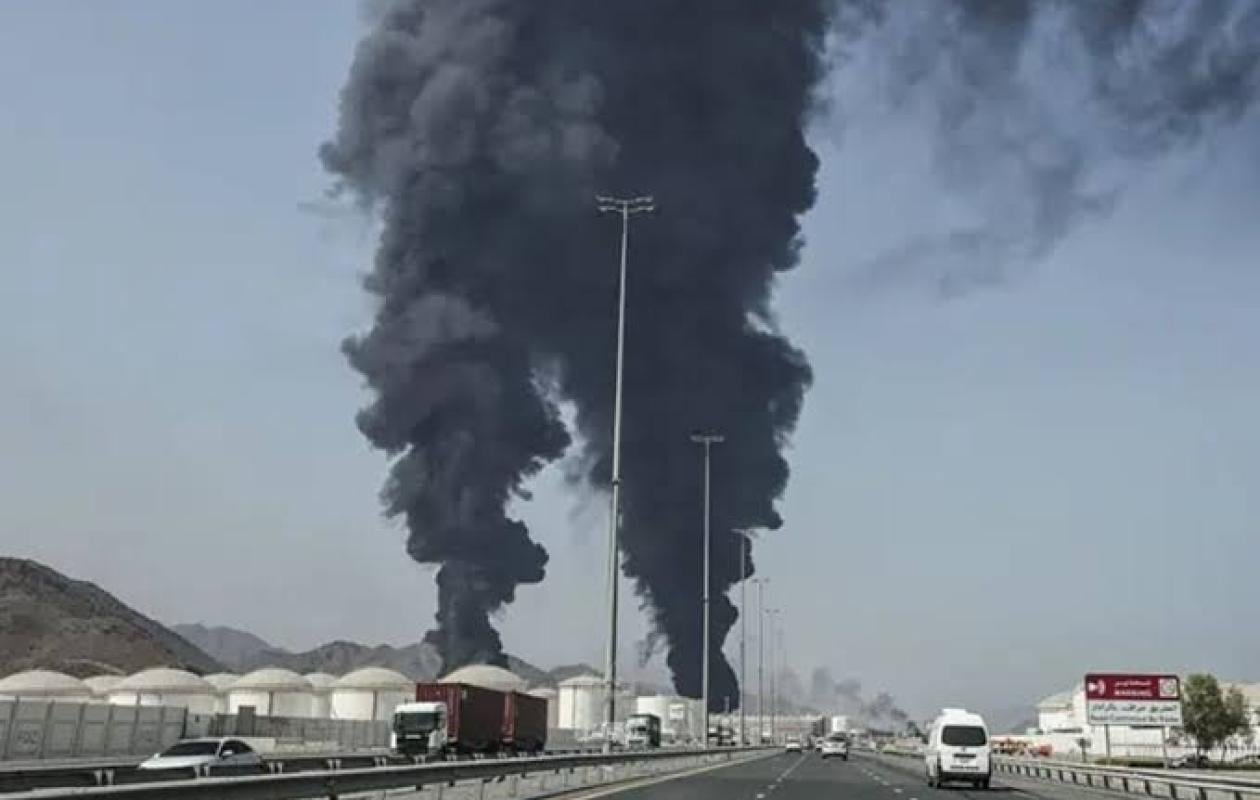
The war between Iran and the United States has caused about $200 billion (about €180 billion) in damage in the Gulf countries, where economic losses could reach four times that amount by 2030, according to an AllianzTrade report published Wednesday.
In late February, the United States and Israel launched a campaign of strikes against Iran, which retaliated by sealing the Strait of Hormuz and targeting its allied neighbors of Washington, particularly in the Gulf.
American bases in the region and civilian infrastructure have been damaged, particularly with the entry into the war of the pro-Iranian Houthis of Yemen in July.
They exchange strikes almost daily with their Saudi neighbor, which, at the head of a military coalition, supports the Yemeni government.
The Houthis regularly claim responsibility for attacks against Riyadh airport and oil facilities.
"Material damage across the region is estimated at just over $200 billion, mainly concentrated in economies dependent on the Strait of Hormuz, particularly in energy infrastructure," the report states.
More than 80 energy facilities have been affected by the war, mainly in Kuwait, Qatar and Bahrain, and a third of them have been "severely damaged".
The report covers the six member countries of the Gulf Cooperation Council (GCC): Saudi Arabia, Oman, Qatar, Bahrain, United Arab Emirates and Kuwait.
The war has also had repercussions on tourism and real estate, which will experience slower growth in the coming years.
"The total cost of the war for the Gulf countries is expected to reach $790 billion, representing a cumulative deficit of 5.9% of GDP compared to the pre-war trend until 2030," the report states.
This figure "reflects the cumulative loss of economic output over the period 2026-2030, that is, the difference between what the region should have produced according to its pre-war growth trend and what it should now produce."
To compensate for these losses, the Gulf States should "increase national spending, as government priorities have shifted away from megaprojects to focus on resilience and security issues," the report points out, also warning of an explosion in these countries' debt.
National spending on infrastructure and defense is expected to reach between $380 billion and $400 billion by 2030, the report indicates.
Saudi Arabia's GDP, one of the world's largest oil producers, is expected to contract by 3.3% according to the IMF, five points less than the July forecast.
Despite the war and restricted access to the Bab el-Mandeb Strait due to Houthi attacks, Saudi oil giant Aramco announced in early November a 34.6% increase in its net profit for the third quarter.





















Commentaires (0)
Participer à la Discussion
Règles de la communauté
💡 Astuce : Utilisez des emojis depuis votre téléphone ou le module emoji ci-dessous. Cliquez sur GIF pour ajouter un GIF animé. Collez un lien X/Twitter, TikTok ou Instagram pour l'afficher automatiquement.
Se connecter
Commentez avec votre profil, votre photo, et soyez averti des réponses.