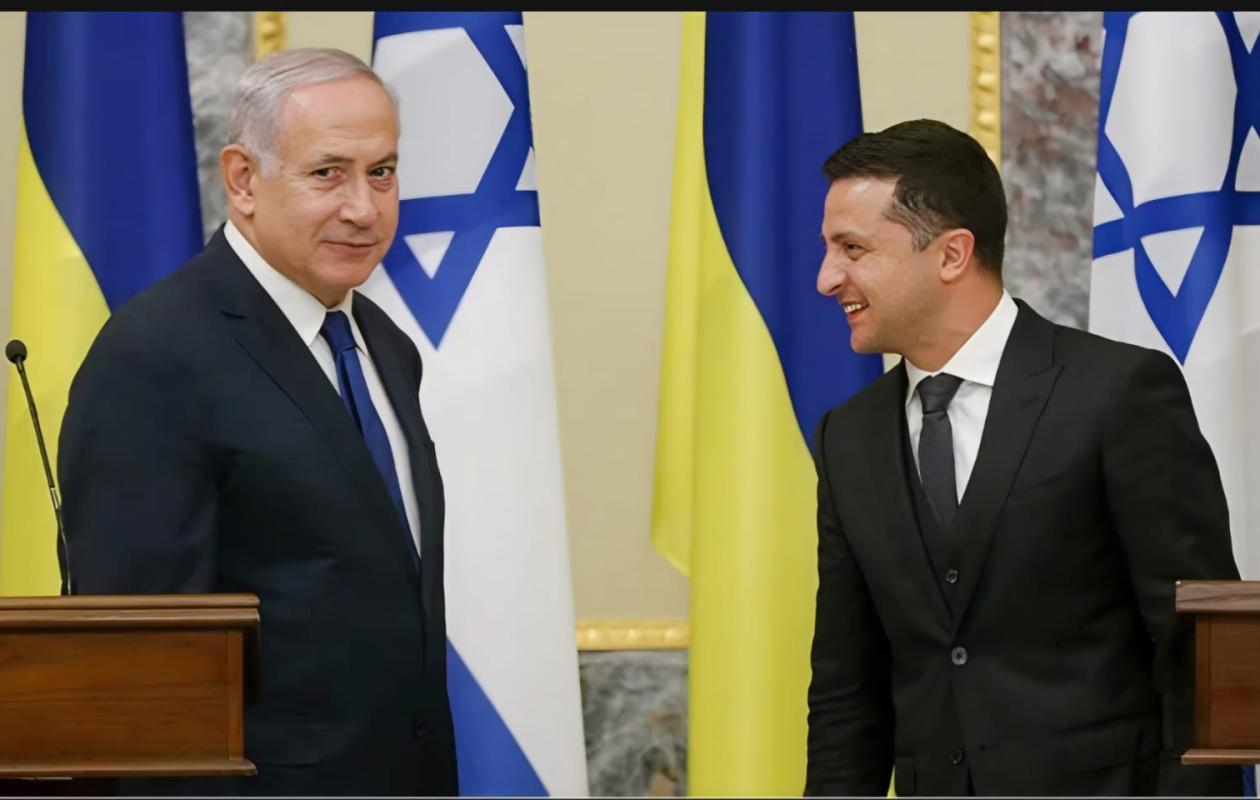
La guerre comme moteur perpétuel du pouvoir : un regard africain sur les leçons du Liban
In a compelling analysis, political commentator Mamadou Sène draws parallels between the work of Lebanese academic Karim Émile Bitar and the political realities of the African continent. Through the trajectories of Volodymyr Zelensky and Benjamin Netanyahu, the author demonstrates how armed conflict has become, for some leaders, the sole instrument of political survival. This geopolitical mirror offers a striking lens through which to view Africa, a continent too often confronted with similar dynamics where the argument of an external enemy serves as a smokescreen for internal crises.
Political survival at the price of permanent conflict
According to the columnist, Professor Karim Émile Bitar's central thesis applies perfectly to contemporary crises: for some heads of state, war ceases to be a diplomatic tool and becomes the essential condition for maintaining their grip on power. When popularity plummets and partisan support crumbles, armed conflict transforms into a veritable lifeline.
The case of Volodymyr Zelensky is described as a classic illustration of this dynamic. While his approval rating has fallen from 80-90% at the start of the conflict to 58-65% today, and his Servant of the People party has collapsed to 11-12%, the suspension of elections under the guise of martial law maintains the status quo. Mamadou Sène emphasizes that as long as the fighting continues, the Ukrainian president remains perceived as irreplaceable. Conversely, the opening of serious negotiations or a cessation of hostilities would immediately force him to answer for corruption, human losses, and the postponement of the elections.
Benjamin Netanyahu's predicament and the echo of European leaders
Benjamin Netanyahu is navigating a virtually identical impasse, mired in corruption scandals, weakened by an unstable coalition, and challenged by a fractured Israeli society. The war in Gaza and the escalating tensions with Hezbollah allow him to assume the convenient role of a strong leader in times of crisis. The author warns that the slightest easing of the conflict's intensity will unleash waves of internal dissent with renewed vigor.
This analytical framework, however, extends beyond these two examples alone. It also encompasses certain European political figures whose popularity remains below 25%. Lacking domestic solutions, these leaders continue to fuel the Ukrainian conflict, using the international stage as their sole means of capturing the attention of their electorate.
The African Mirror: Between the excesses of the Sahel and the Senegalese exception
For African observers, this political cynicism is nothing new. From the Great Lakes to the Sahel, the continent has repeatedly seen leaders cling to power by brandishing the rhetoric of fighting an external enemy. Faced with unmanageable domestic emergencies (economic stagnation, systemic corruption, the plight of a youth without prospects), designating a geopolitical adversary remains the simplest way to rally the people around the flag.
Senegal has not been entirely immune to these dynamics. The country has experienced periods when the ruling power attempted to resolve major political crises through rhetoric of firmness, demanding an artificial consolidation around the notion of national unity. Fortunately, Dakar has managed to preserve its democratic model and avoid the trap of sliding into a logic of permanent tension.
The main lesson of this analysis remains inescapable: the most formidable leaders are those for whom peace is tantamount to political death. Held hostage by the crisis structures they themselves have erected, these leaders view a ceasefire not as an opportunity for their people, but as their own condemnation. Faced with this peril, Africa must absolutely reject the trap of proxy wars and demand that its political class address internal challenges through genuine reforms and sustainable development.













Commentaires (0)
Participer à la Discussion
Règles de la communauté
💡 Astuce : Utilisez des emojis depuis votre téléphone ou le module emoji ci-dessous. Cliquez sur GIF pour ajouter un GIF animé. Collez un lien X/Twitter, TikTok ou Instagram pour l'afficher automatiquement.
Se connecter
Commentez avec votre profil, votre photo, et soyez averti des réponses.