L'accord entre les Etats-Unis et l'Iran fait tomber les cours du pétrole
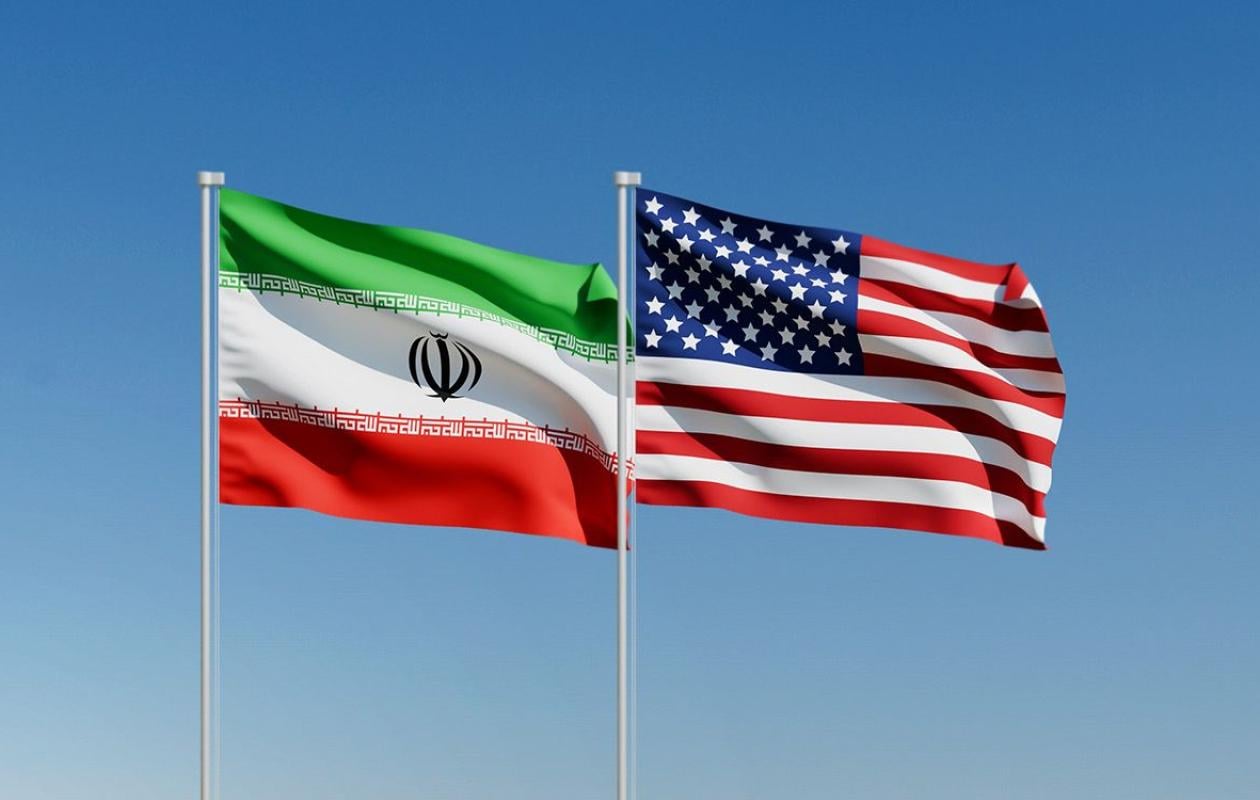
Oil prices fell on Monday after the announcement of an agreement between Washington and Tehran, which paves the way for a resumption of oil flows in the Strait of Hormuz.
Announced Monday morning by Pakistani Prime Minister Shehbaz Sharif, a key mediator in the conflict, and confirmed shortly afterwards by Washington and Tehran, the text, not yet made public, provides for the end of the war on all fronts, including in Lebanon.
"I fully authorize the reopening of the Strait of Hormuz without transit fees and, at the same time, the immediate lifting of the US naval blockade. Ships from all over the world, start your engines. Let the oil flow!", US President Donald Trump celebrated on his Truth Social network, adding that this opening will take place "as soon as the agreement is signed on Friday in order to allow for the clearing of mines."
It will take time for the region to regain complete stability, "but the most pressing issue, the resumption of oil and other commodity flows, seems to be able to be resolved in the foreseeable future," notes Tamas Varga, an analyst at PVM Energy.
After falling overnight, the price of a barrel of Brent crude from the North Sea, for delivery in August, was down 4.82% around 08:55 GMT (10:55 in Paris), at $83.12, shortly after having lost more than 5%.
Its American equivalent, the West Texas Intermediate barrel, for July delivery, fell 5.21% to $80.46, shortly after falling below $80 for the first time since mid-March.
Prices did not fall further because "the market was already prepared for an agreement", and had been "for several weeks", says Arne Lohmann Rasmussen of Global Risk Management.
In anticipation of the end of hostilities, the two benchmark crude oil prices had already lost about a quarter of their value in the past month.
"The question now is how long it will take for the situation in the Persian Gulf to normalize," the analyst summarizes, because "inventories now need to be replenished, new strategic reserves may need to be formed, and there is deferred demand."
There is also the risk that "the negotiations will fail", which should raise the oil risk premium, adds Mr. Rasmussen.
In its latest report published on Friday, OPEC, the alliance of oil-exporting countries, also lowered its forecasts for global oil demand growth in 2026, which it now estimates will increase by about 1 million barrels per day, compared to the previously expected 1.2 million barrels per day.






















Commentaires (3)
Participer à la Discussion
Règles de la communauté
💡 Astuce : Utilisez des emojis depuis votre téléphone ou le module emoji ci-dessous. Cliquez sur GIF pour ajouter un GIF animé. Collez un lien X/Twitter, TikTok ou Instagram pour l'afficher automatiquement.
Se connecter
Commentez avec votre profil, votre photo, et soyez averti des réponses.