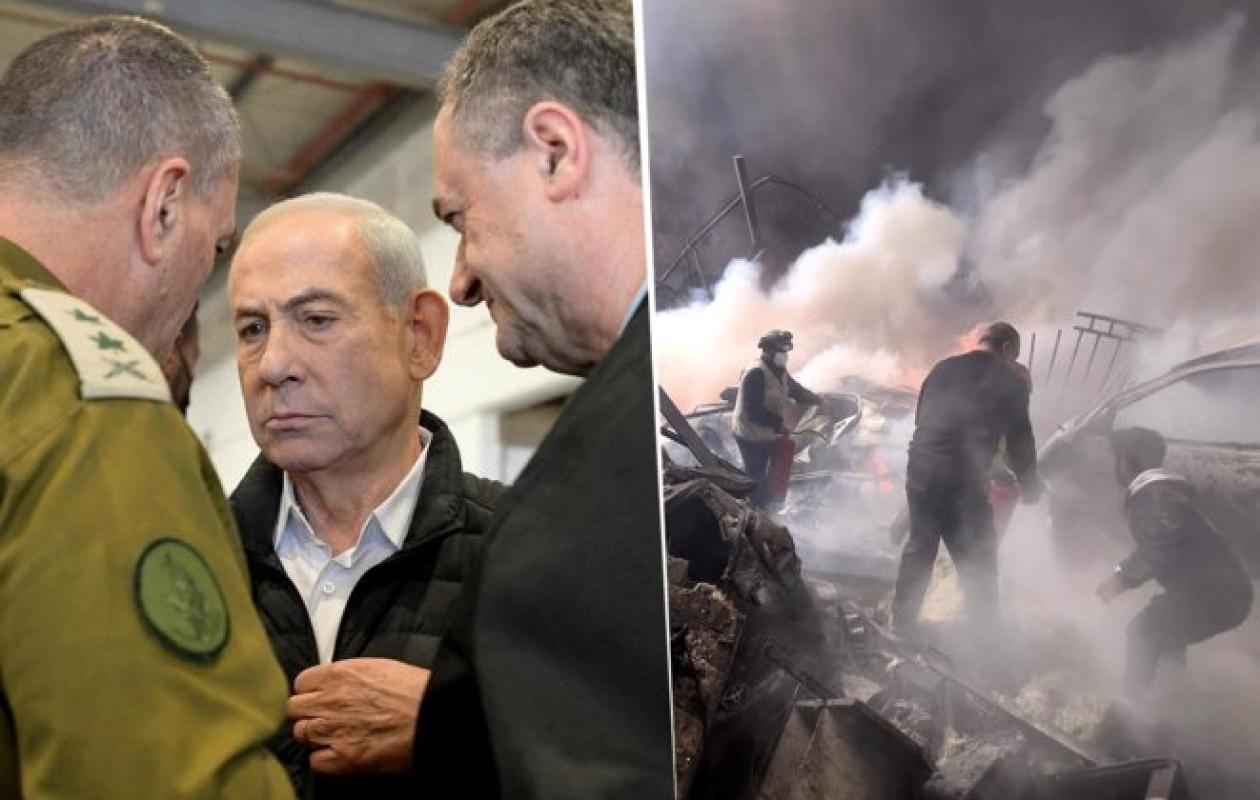
Le FMI avertit: la guerre en Iran pourrait plonger 45 millions de personnes en insécurité alimentaire
The conflict in the Middle East could plunge around 45 million people into food insecurity, and the risk could increase further, warned IMF Managing Director Kristalina Georgieva on Thursday.
The head of the International Monetary Fund (IMF) added that the institution anticipated additional support requests from member countries "somewhere between $20 billion and $50 billion, at the lower end if the ceasefire holds".
Kristalina Georgieva was speaking at her traditional opening address, which marks the start of the spring meetings of the IMF and the World Bank (WB), scheduled to take place in Washington from Tuesday to Friday.
"It would have been worse without strong policies from most emerging economies (...) and we have the resources to deal with this shock," Ms. Georgieva reassured.
The sharp rise in energy prices and disruptions in the supply of oil, liquefied natural gas (LNG) and fertilizers risk causing "food insecurity for at least 45 million people", which would bring the total "number of people suffering from hunger to more than 360 million", the IMF managing director warned.
And "even in the best-case scenario, there will be no clean and simple return" to the situation prevailing before the outbreak of hostilities.
The IMF is due to publish an updated version of its World Economic Outlook (WEO) report on Tuesday, which is expected to take into account the effects of the conflict on the global economy.
But, given the uncertainty, "it will include a range of scenarios from a relatively rapid normalization" of the geopolitical situation "to one where oil and gas prices remain high for much longer and where repercussions take hold."
Especially since this could "undermine the anchoring" of inflation expectations by markets, and "cause a new cycle of costly inflation" for global economies.
In any case, "even our best-case scenario takes into account a downward revision of global growth," acknowledged Ms. Georgieva.
"The damage to infrastructure, supply disruptions, loss of confidence and other effects" are the cause, "growth will be slower, even if the new peace is lasting".
However, the effect is not felt in the same way in all regions of the world, hitting oil-importing and low-income countries more strongly, as they have more limited fiscal space.
"Let us spare a thought for the Pacific island nations, at the very end of the supply chain, who do not know if they will receive the energy they need because of these major disruptions," added the Fund's managing director.
In a report published Wednesday, the World Bank pointed out that Middle Eastern countries have paid "an immediate and serious economic cost" for the war.
The region is expected to see its growth lowered by 0.6 points, compared to pre-war forecasts, to 1.8% in 2026, the Bank added.
Faced with such a situation, governments "can help in various ways," Ms. Georgieva assured, but must avoid any actions such as export or price controls.
In the immediate future, "there is value in waiting and assessing" how the geopolitical situation will evolve, but if inflation expectations change, "central banks must act firmly with rate hikes."
AFP




















Commentaires (10)
Participer à la Discussion
Règles de la communauté
💡 Astuce : Utilisez des emojis depuis votre téléphone ou le module emoji ci-dessous. Cliquez sur GIF pour ajouter un GIF animé. Collez un lien X/Twitter, TikTok ou Instagram pour l'afficher automatiquement.
Se connecter
Commentez avec votre profil, votre photo, et soyez averti des réponses.