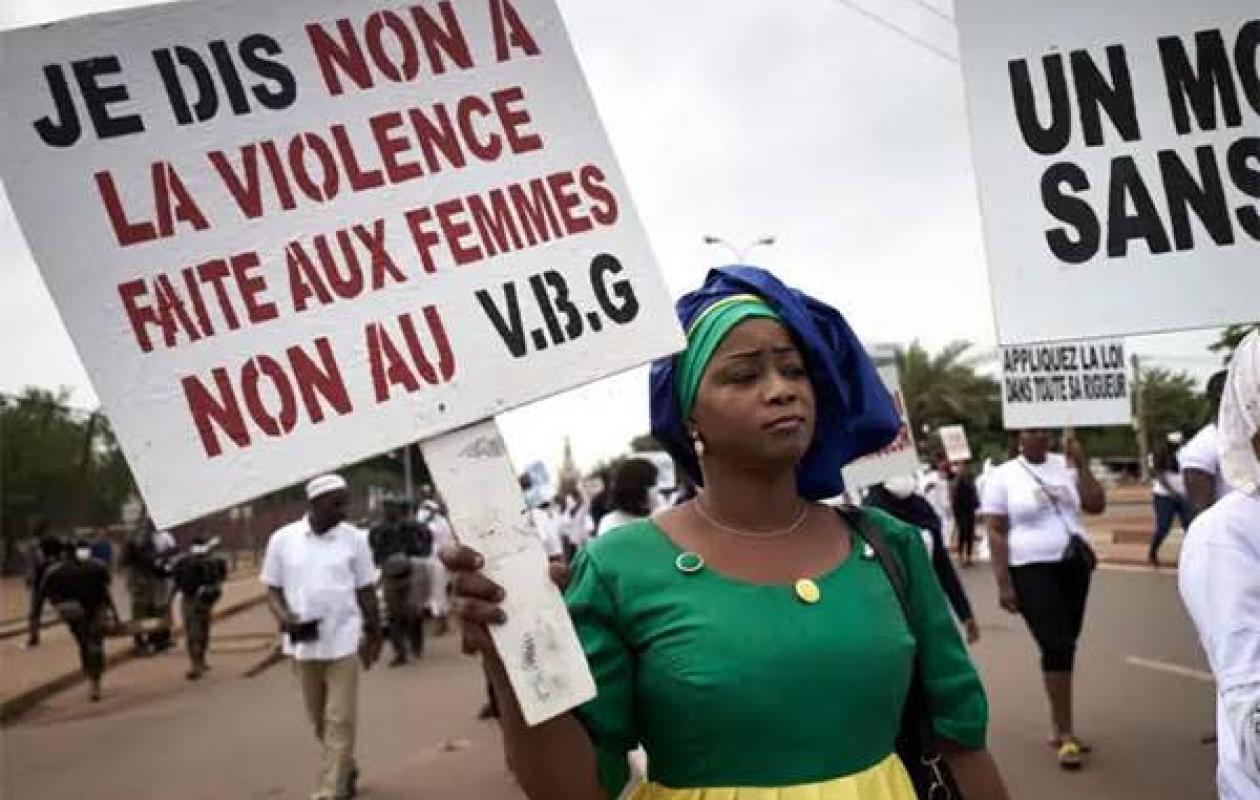
13 000 plaintes en cinq ans, 1 200 verdicts favorables : Le Sénégal veut s'inspirer du Bénin dans la lutte contre les VBG
Between 2021 and August 2026, the National Institute for Women (INF) in Benin supported more than 8,000 women and obtained over 1,200 favorable verdicts out of nearly 4,000 cases brought before the courts. This record has attracted the interest of Senegal, which is eager to adopt this model for supporting victims. Benin's achievements in the fight against violence against women and girls are noteworthy.
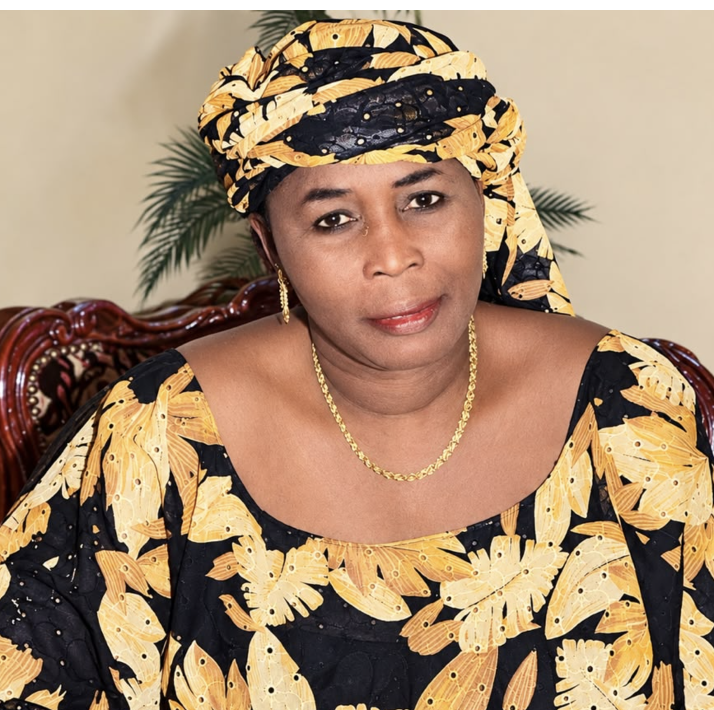
Between 2021, the year the National Institute for Women (INF) was created, and August 2026, the institution registered nearly 13,000 complaints across all categories and assisted more than 8,000 women with psychosocial and medical care, as well as referrals to appropriate services. These figures were presented by Flore Djinou, Executive Secretary of the INF, at a meeting dedicated to combating violence against women, particularly girls, organized by the Network of Women Leaders for Development (RFLD), with the support of the Beninese institution and the participation of Senegalese stakeholders. When asked about the factors behind the progress made in her country, Flore Djinou first emphasized political will.
“Benin’s secret lies first and foremost in political will,” she emphasizes, referring to the authorities’ commitment to a suitable legislative framework and an institution with significant powers. This political will, she adds, is complemented by the selection of leaders capable of translating this ambition into concrete actions. The establishment of a strong institutional framework has thus made it possible to strengthen support for victims and facilitate their access to justice.
More than 1,200 verdicts in favor of women and girls
Beyond the number of complaints registered, the INF emphasizes its involvement in the victims' legal process. Thanks to its legal and judicial mandate, the institution can take legal action and become a civil party in the relevant cases.
Of nearly 4,000 cases brought before the courts, more than 1,200 verdicts in favor of women and girls have been obtained, according to Flore Djinou. The institution also plays a role in strengthening the capacity of those involved in the support system. Training sessions have been organized specifically for judicial police officers, considered the first point of contact for victims and their families. Psychological violence is the most common complaint, followed by sexual violence.
Flore Djinou also raises concerns about the situation of minors, who are increasingly affected by this violence. For the executive secretary of the INF, one of the major changes lies in the possibility now offered to victims to pursue their legal proceedings to the end. She believes that, in the past, many cases were unsuccessful and that women faced difficulties accessing the courts.
Senegal wants to draw inspiration from the Beninese model
On the Senegalese side, this experience has generated particular interest. Dr. Okhaya Diakhaté, Director of Family Services at the Ministry of Family, Social Action, and Solidarity, who moderated the panel, believes that Senegal would benefit from learning from Benin's experience. She specifically highlighted the holistic approach to victim support in Benin, covering health, psychological, socioeconomic, and legal aspects, all free of charge. "We felt it was important for Senegal to learn from what is being done in Benin," she explained.
This initiative comes as Senegal has a second National Action Plan to combat violence against women and girls, recently approved by the Minister for Family Affairs. This document addresses various forms of violence, including online violence. The latter is a growing concern, particularly for women involved in politics, who may refrain from speaking out publicly for fear of stigmatization, discrimination, and online harassment.
Dr. Rokhaya Diakhate also mentioned the possibility of conducting a study mission to Benin, with the agreement of the Senegalese authorities, to better understand the mechanisms implemented by the National INF (National Institute for the Fight Against Fraud), particularly its system for referring and counter-referring victims. The stated objective is to strengthen national mechanisms to enable women and girls to live in safety, assert their rights, and fully participate in the country's socio-economic development, in line with the ambitions of Senegal's Vision 2050.















Commentaires (4)
Le village de Sam Ndiaye, dans la commune de Fandène, est sous le choc après la mort violente de Cheikhou Oumar Ndiaye, un chauffeur et cultivateur d’une quarantaine d’années, poignardé dans la nuit de jeudi, vers 2 heures du matin.
D’après les informations de Libération, le drame a été précédé d’une dispute au domicile conjugal. De retour des champs avec ses deux épouses, Cheikhou Oumar Ndiaye avait été accusé par sa seconde femme, Asta Dia, âgée d’une trentaine d’années, d’avoir frappé le fils qu’elle avait eu d’un précédent mariage. Le défunt contestait ces accusations. Alerté de l’altercation et informé que sa belle-sœur dissimulait un couteau sous son pagne, le frère de la victime s’était rendu sur place et avait récupéré l’arme.
Mais après son départ, poursuit le journal, Asta Dia aurait confié son fils à des voisins avant de se procurer un second couteau. Profitant du sommeil de son époux, elle lui aurait porté deux coups. Grièvement blessé, Cheikhou Oumar Ndiaye est parvenu à se traîner jusqu’à la devanture de la maison en criant « Asta Dia raynama » (« Asta Dia m’a tué »), avant de s’effondrer.
La mise en cause, enceinte de son premier enfant avec le défunt, a été interpellée dans la concession voisine où elle s’était réfugiée avec son fils, puis placée en garde à vue à la gendarmerie de Fandène. Inhumé depuis, Cheikhou Oumar Ndiaye laisse derrière lui six enfants.
Interrogée par Dakaractu, sa sœur, K. Ndiaye, affirme qu’une précédente dispute avait déjà été marquée par la sortie d’un couteau. « Cheikhou lui avait dit : “Tu sais que tu ne vas pas me poignarder”. Mais cette fois-ci, elle l’a surpris et elle est passée à l’acte. Elle n’a pas tué Cheikhou, mais toute une famille », témoigne-t-elle.
Participer à la Discussion
Règles de la communauté
💡 Astuce : Utilisez des emojis depuis votre téléphone ou le module emoji ci-dessous. Cliquez sur GIF pour ajouter un GIF animé. Collez un lien X/Twitter, TikTok ou Instagram pour l'afficher automatiquement.
Se connecter
Commentez avec votre profil, votre photo, et soyez averti des réponses.