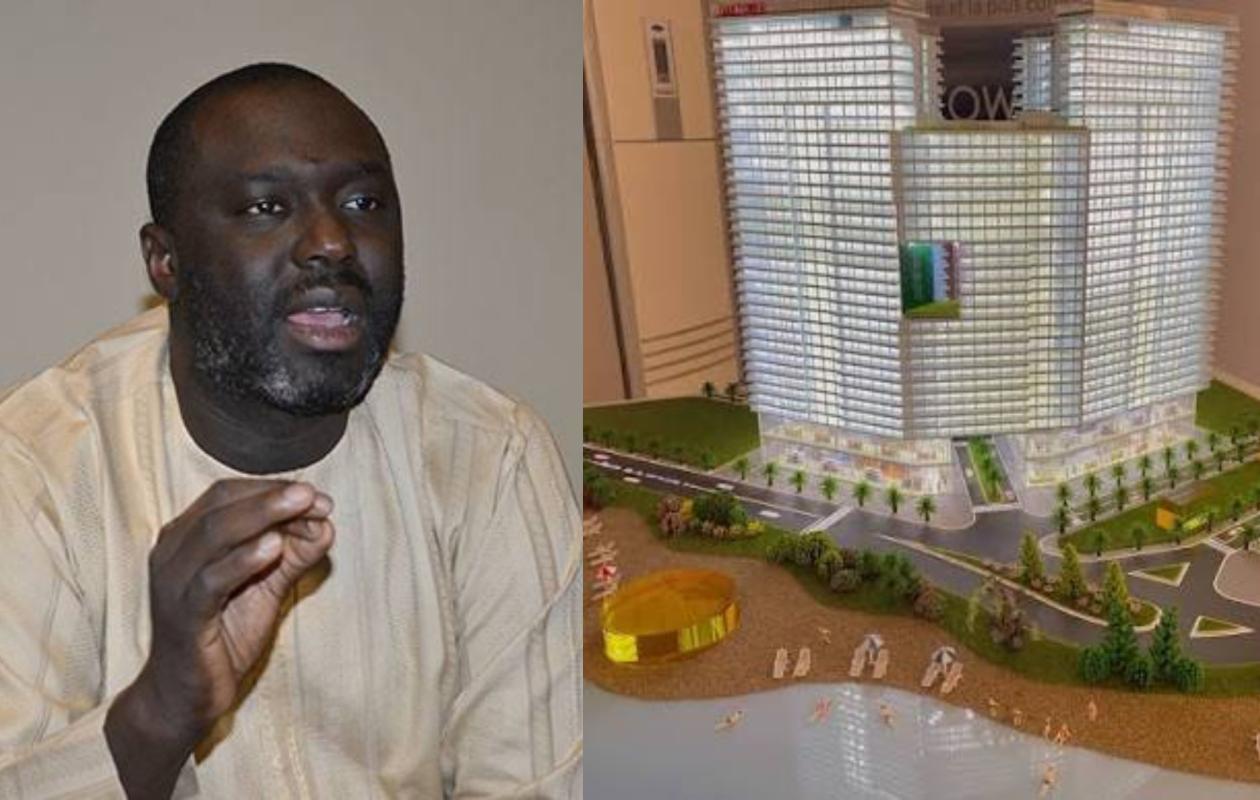
Dossier « Dak Tower » à l'Assemblée nationale : Devant la commission d'enquête, Abdou Karim Fofana défend sa gestion foncière
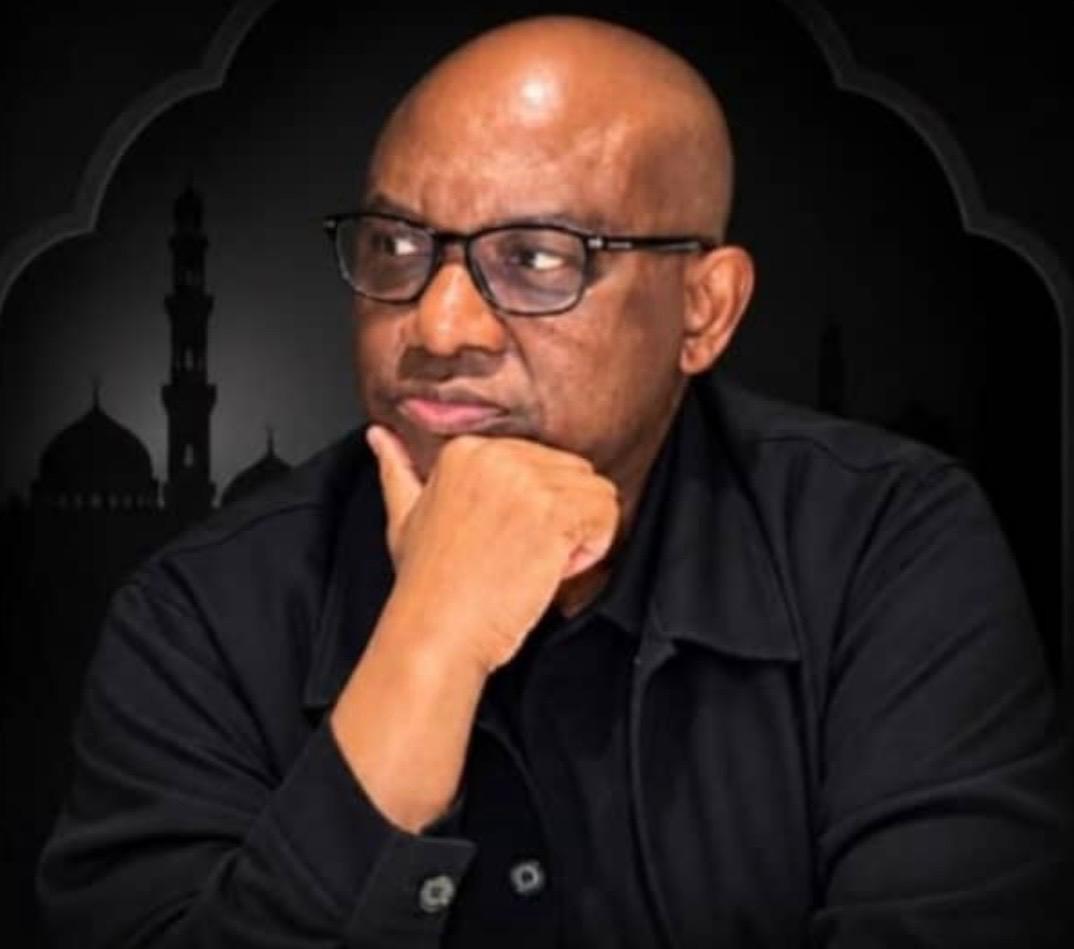
Appearing before the parliamentary inquiry committee of the National Assembly on Monday, October 12, 2026, former Minister of Urban Planning Abdou Karim Fofana discussed the origins of the "Dak Tower" project, the negotiations initiated in 2019, and the concessions granted to the developer. He maintained that the land reorganization was intended to resolve a long-standing dispute while protecting the interests of the State and certain public facilities.
The "Dak Tower" project, also known as "Dakar Towers," continues to raise questions about the management of state-owned land. At the heart of the debate are the conditions under which land was reassigned to the developer, the concessions obtained by the government, and the potential financial risk to which the state may have been exposed. In response to criticism, the former Minister of Urban Planning highlights the history of the project and the legal constraints faced by the authorities when it was taken over in 2019.
A project stalled for over a decade
According to the former minister, the origins of the affair date back to the presidency of Abdoulaye Wade. At that time, the company ACC, also known as ACC 2000, had positioned itself on the site of the Assane Diouf stadium to develop a major real estate project on the Corniche Ouest. The developer reportedly obtained a lease for an area of 2.5 hectares and undertook investments, including foundation work. However, the project encountered strong opposition from the residents of Rebeuss, who mobilized to preserve the stadium and its role in the life of the neighborhood. This opposition led to the suspension of construction. The project remained stalled for more than a decade, between 2005-2006 and 2019, "leaving the legal status of the developer and the investments already made unresolved."
In 2019, the State faced the risk of litigation
When the case returned to Abdou Karim Fofana, then Minister of Urban Planning, the situation had become particularly delicate. The company also held an investment permit issued in 2011 by the Ministry of Finance. According to the former minister, the developer was threatening to "take legal action to have its rights restored or to claim substantial compensation." The State therefore had to find a solution to a long-standing dispute, in a context where the lack of resolution could "lead to costly litigation." The chosen approach was to renegotiate the project's terms and revise its land location. Abdou Karim Fofana presents this approach as an attempt to "reconcile the rights claimed by the investor, the requirements of urban planning, and the preservation of public interests."
Redeveloped grounds and a planned sports area
According to his explanation, the reorganization of the project resulted in a reduction of the initially planned footprint on the Assane Diouf stadium site. Several improvements were integrated into this new configuration, notably "the widening of Malick Sy Avenue by five meters, the creation of a separation lane, and the transfer of space to the Omarian Mosque."
Another aspect concerns sports infrastructure. A one-hectare plot of land was reportedly cleared and handed over to the Dakar-Plateau municipality to allow for "the re-establishment of a football pitch meeting regulatory standards, for the benefit of local youth." In exchange for the land removed from the initial site and the investments already made by the developer, estimated at the time at "approximately 15 billion CFA francs," the State allegedly allocated the company a replacement plot of land on the former grounds of the Lat Dior camp, facing the Corniche. This new location was intended to allow the company to "resume its real estate project, while taking into account the development constraints that had arisen around the original site."
Contract stability at the heart of Fofana's defense
For Abdou Karim Fofana, this reorganization was a matter of legal certainty. He believes the State "cannot indefinitely ignore contractual commitments made to investors without exposing itself to legal proceedings and potential financial penalties." The former minister thus advocates a pragmatic approach: "to resolve a long-standing dispute, allow the project to resume, and simultaneously incorporate improvements presented as serving the public interest." However, this argument alone is insufficient to answer the questions raised about the precise conditions of the land reallocation. Assessing the balance of the operation "requires, in particular, knowing the value of the land in question, the obligations actually imposed on the developer, the contractual commitments of each party, and the benefits actually provided."














Commentaires (33)
J'oublie que le malhonnête voit de la malhonnêteté partout .Non, PASTEF c'est la pire chose qui puisse arriver au Sénégal .Ce sont des voyous qui ne méritent que mépris
Participer à la Discussion
Règles de la communauté
💡 Astuce : Utilisez des emojis depuis votre téléphone ou le module emoji ci-dessous. Cliquez sur GIF pour ajouter un GIF animé. Collez un lien X/Twitter, TikTok ou Instagram pour l'afficher automatiquement.
Se connecter
Commentez avec votre profil, votre photo, et soyez averti des réponses.