Procédure législative au Sénégal : Du dépôt de la loi au veto du Conseil constitutionnel, décryptage d'un circuit complexe
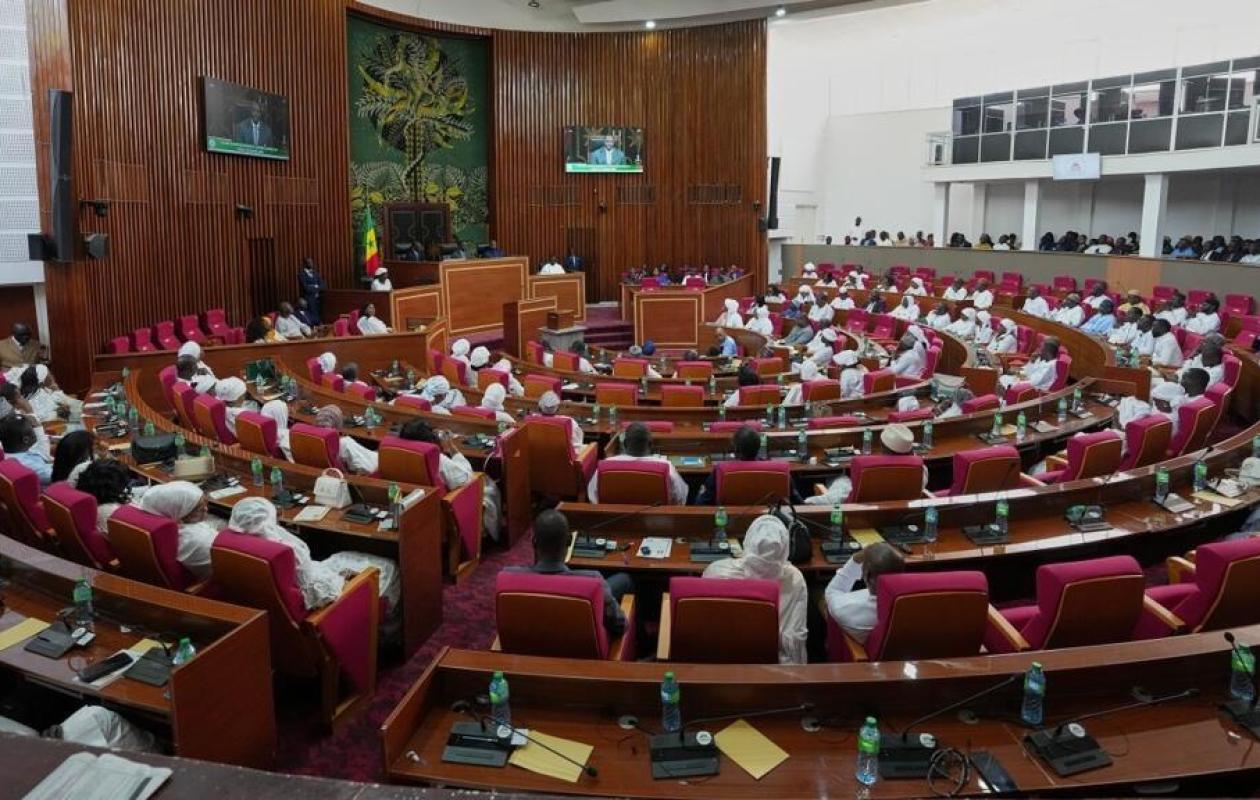
On June 29, 2026, 129 Senegalese members of parliament participated in a vote on a constitutional amendment and unanimously adopted it. Ten days later, on July 9, however, the Constitutional Council declared the text unconstitutional due to irregularities in the adoption procedure. This episode offers a clear illustration of an institutional reality that the final vote sometimes tends to obscure. A law is not created the moment members of parliament press a button or raise their hands in the chamber. Before it can enter the Senegalese legal system, it must go through several stages, comply with rules of admissibility, be reviewed by committees, and, in certain situations, be subject to the scrutiny of the Constitutional Council.
It all begins with the origin of the text. The Senegalese Constitution shares the power to initiate legislation between the President of the Republic, upon the proposal of the Prime Minister, and the members of Parliament. In the first case, it is called a bill, prepared by the executive branch. In the second, it is a proposed law, introduced by one or more members of Parliament. The difference is not merely a matter of terminology, as it determines who has taken the initiative to amend the law.
The government naturally plays a significant role in this process. A ministry can draft a text concerning its area of responsibility, whether it be public finances, labor, justice, energy, or administrative organization. The draft then follows the established government procedure before being submitted to the National Assembly. Once transmitted to Parliament, it does not automatically become law, as its examination by the members of Parliament then begins.
A parliamentary proposal also faces limitations from the moment it is tabled. The Constitution specifically prohibits members of parliament from proposing texts or amendments that would lead to a decrease in public resources or the creation or increase of a public expenditure without simultaneously providing for corresponding revenue or savings. This rule has very concrete implications, as it prevents a member of parliament from freely committing to new expenditures without addressing their financing.
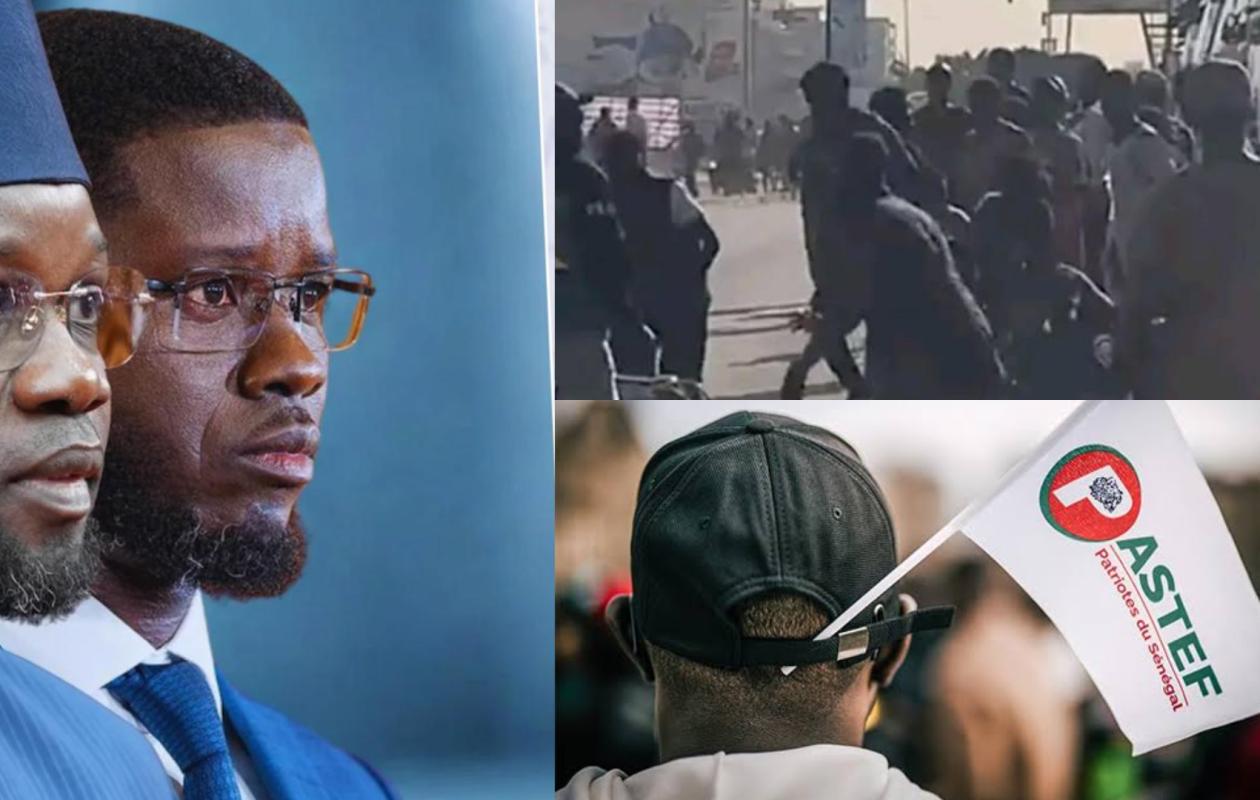
The institutional events of July 2026 provided a rarely so clear demonstration of this. Constitutional amendment proposal no. 17/2026, submitted by six members of the Pastef party, was declared admissible on June 12, then examined by the Law Commission on June 24 before its adoption in plenary session five days later. The text notably provided for the transformation of the Constitutional Council into a Constitutional Court, a new framework for certain public functions, and the creation of a body responsible for managing elections.
Referred to the Constitutional Council on July 6, 2026, by the President of the Republic, the Council ruled three days later that certain provisions created new public expenditures without compensatory revenue, in violation of Article 82 of the Constitution. It also noted that the National Assembly had not respected a request for a single, unified vote submitted by the Government. These irregularities were deemed serious enough to invalidate the entire law adopted on June 29. A favorable vote, even unanimous among the members of parliament who participated in the vote, is therefore insufficient to render legally valid a law whose adoption procedure violates the Constitution.
Between the tabling of a bill and the public debate lies a crucial stage that concentrates a large part of parliamentary work: the committee process. The National Assembly distributes bills according to their subject matter among its various standing committees. The relevant members of parliament examine the provisions, question the minister or the authors of the proposal, discuss the content, and may work on amendments. A report is then prepared to summarize this review before the bill is presented to the full assembly.
The work carried out on June 24, 2026, regarding the proposed constitutional revision demonstrates the potential impact of this stage. The Committee on Laws, Decentralization, Labor, and Human Rights examined the text five days before the plenary session, while the Government defended four amendments. Several of these modifications were rejected by the majority. The version that reaches the floor may therefore reflect discussions and decisions made before the general public follows the debate in session.
Amendments are precisely one of the instruments used to transform a text during its consideration. Members of Parliament and the Government can, under the conditions set forth in the Constitution and the Rules of Procedure, propose to delete a provision, modify its wording, or introduce a new one. The text submitted to the final vote may therefore differ significantly from the one initially presented.
The plenary session remains, however, the moment when the entire Assembly votes. The relevant minister or the authors of a proposal defend the text, the committee report is presented, members of parliament speak, and admissible amendments are examined before the vote. For an ordinary law, the Constitution stipulates that after its adoption by the National Assembly by an absolute majority of votes cast, the text is transmitted without delay to the President of the Republic.
However, not all laws follow exactly the same requirements. Organic laws, which specify the organization and operation of certain institutions, are subject to specific rules and must be reviewed by the Constitutional Council before promulgation. Constitutional amendments also follow a separate procedure, with majorities and conditions determined by the Constitution. The budget law, for its part, has its own timetable because it authorizes the State's revenues and expenditures each year.
The Constitutional Council can also intervene before the promulgation of an ordinary law. The President of the Republic has six clear days after the transmission of the definitively adopted text to refer a matter of unconstitutionality to the Council. The same possibility is open to a number of members of parliament representing at least one-tenth of the members of the National Assembly, within six clear days following the final adoption. With 165 members of parliament in the current legislature, this threshold implies that at least 17 parliamentarians must join together to reach the required one-tenth.
This power can have immediate effects on the fate of a text. The Council verifies its conformity with the Constitution, and its decision is binding on the public authorities. The events of June and July 2026 also demonstrate that the review can extend to the process by which the law was drafted, and not solely to the provisions it contains.
If no constitutional obstacle remains, promulgation then takes place. The Constitution stipulates that the President of the Republic promulgates laws definitively adopted within eight clear days following the expiration of the appeal period before the Constitutional Council. In the event of an emergency declared by the National Assembly, this period is reduced by half. Before promulgation, the Head of State may also request a second reading by means of a reasoned message. The Assembly cannot refuse this second reading, and the text must then obtain a three-fifths majority of the members of the National Assembly to be adopted again.
Promulgating a law and voting on it are therefore two different acts. Voting expresses the decision of Parliament, while promulgation confirms the existence of the law and orders its implementation. Its publication in the Official Gazette of the Republic of Senegal then ensures its public dissemination and allows it to enter into force according to the applicable rules.
The legislative process thus resembles less a day of debate in the chamber than a series of operations where each institution has different levers at its disposal. The Government can initiate the text and intervene during its examination, members of parliament can submit their own proposals and amend the texts, committees carry out a substantial part of the parliamentary work, while the Constitutional Council can prevent the entry into force of a provision contrary to the Constitution.
The case of June 29, 2026, provides a directly observable example. A constitutional revision supported by the 129 members of parliament who participated in the vote, 15 of whom voted by proxy, ultimately never became applicable following the Constitutional Council's decision of July 9. Between the drafting of a text and its entry into Senegalese law, the vote remains a crucial step, but it is never the whole story.














Commentaires (6)
Ils semblent toujours préoccupés par des futilités, des conflits d’intérêts et des guerres de positionnement visant à s’accaparer le pouvoir et les avantages qui l’accompagnent.
Pas le moindre grand projet de construction de route, d’hôpital ou d’université n’a été lancé. Aucun projet structurant dans les secteurs de l’agriculture, de l’élevage ou de la pêche ne semble avoir été véritablement engagé. Le secteur informel et le petit commerce sont laissés à la merci de certains opérateurs étrangers notamment les guinéens qui imposent leurs règles, fixent leurs prix et finissent par écarter progressivement les Sénégalais de leur propre économie.
Les bourses d’excellence, qui permettaient autrefois aux enfants de paysans et aux jeunes issus de familles modestes de poursuivre leurs études dans certaines des plus grandes écoles d’ingénieurs du monde, ont été supprimées. Aujourd’hui, un jeune issu d’une famille démunie qui obtient la mention « Très bien » au baccalauréat, notamment en série S1, se retrouve contraint de poursuivre ses études dans des établissements universitaires sénégalais dont les conditions d’apprentissage sont parfois indignes d’un pays qui aspire au développement.
Pendant que la plupart des universités du monde commencent leur année académique en septembre et la terminent en juin, au Sénégal, certains nouveaux bacheliers risquent de ne commencer leurs études qu’en avril de l’année suivante. Comment peut-on accepter une telle situation sans en faire une priorité nationale ?
Tout cela ne semble pourtant guère préoccuper une classe politique qui donne parfois l’impression de perdre complètement le sens des priorités, sous l’effet des nouvelles voitures, des privilèges et des salaires élevés, alors même que certains de ses représentants affichent des niveaux de formation et de compétence qui interrogent.
Le plus inquiétant est que, malgré cette situation difficile, certains jeunes qui peinent eux-mêmes à avoir trois repas convenables par jour consacrent leurs journées à s’insulter sur les réseaux sociaux pour défendre aveuglément des hommes politiques qui, eux, vivent dans un tout autre confort.
Un peuple qui ne parvient plus à débattre sereinement de son avenir, qui transforme la politique en affrontement permanent et qui accepte que les véritables préoccupations sociales soient reléguées au second plan doit s’inquiéter.
Le Sénégal est à un tournant. Le pays est menacé. Il est temps de sortir des querelles partisanes, des invectives et des guerres de positionnement pour remettre au centre du débat l’essentiel : l’éducation, l’emploi, la santé, l’agriculture, la pêche, l’industrie, le pouvoir d’achat et, surtout, l’avenir de notre jeunesse.
La séparation des pouvoirs qi'on m'avait apprise à l'école n'est en réalité qu'une vue de l'esprit au Sénégal: il n'y a qu'un seul pouvoir et c'est le Président. S'il y a un changement ou une révision de la constitution à faire, c'est de réduire les pouvoirs exorbitants du Président qui n'était qu'un simple humain comme nous autres, moins de trois années en arrière!
Participer à la Discussion
Règles de la communauté
💡 Astuce : Utilisez des emojis depuis votre téléphone ou le module emoji ci-dessous. Cliquez sur GIF pour ajouter un GIF animé. Collez un lien X/Twitter, TikTok ou Instagram pour l'afficher automatiquement.
Se connecter
Commentez avec votre profil, votre photo, et soyez averti des réponses.