"2029 nous obsède alors que 2026 nous attend" : L'alerte de Babacar Diagne face aux urgences oubliées du présent !
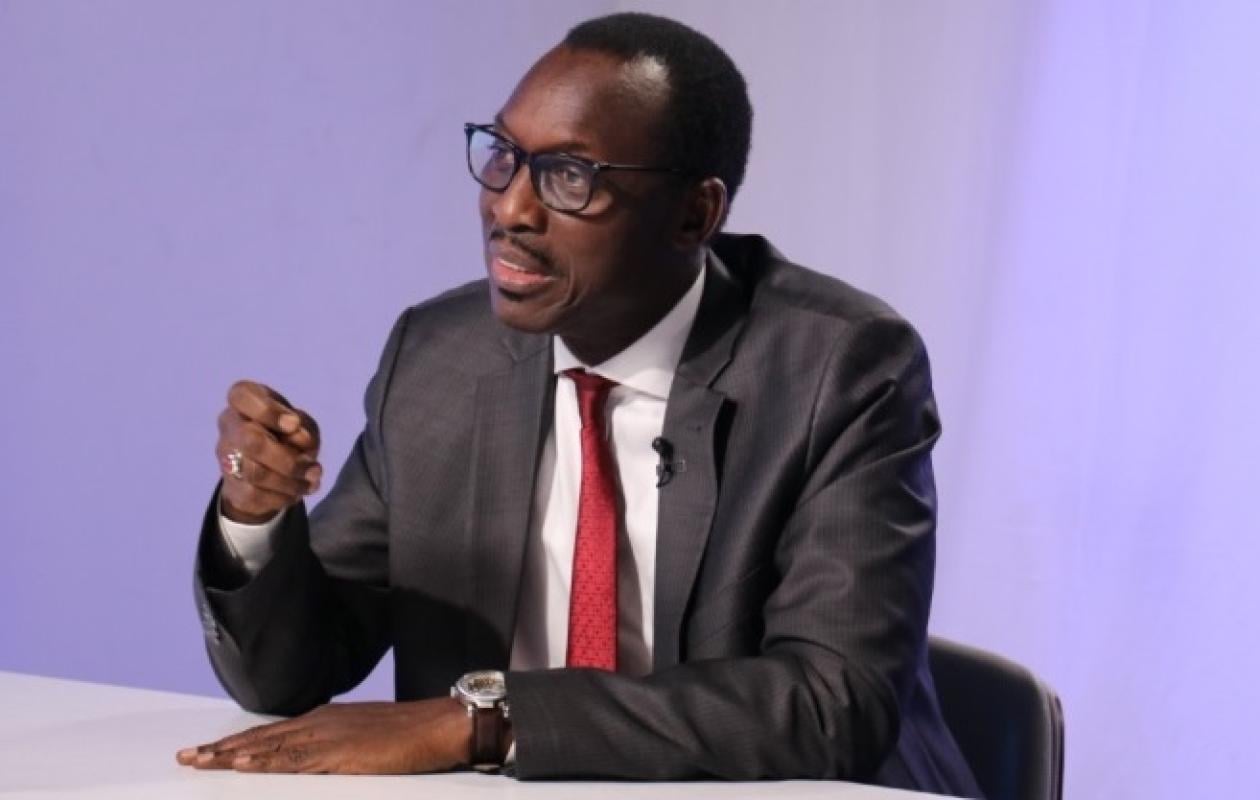
While the electoral calendar sets the next presidential election for 2029, the Senegalese public debate already seems completely hypnotized by this future deadline. In an incisive reflection on the state of national political life, Babacar Diagne, former Director General of RTS and former President of the CNRA, offers an uncompromising diagnosis of this temporal disconnect. He observes a political scene obsessed with succession while the country faces immediate economic and social challenges.
From the outset, the former ambassador is astonished by this premature frenzy that stifles the present. "It's 2026. And yet, listening to the conversations, observing the stances taken, and following the political speculations, we already have one foot in 2029," he notes. This constant projection, fueled by political maneuvering and positioning battles, ultimately obscures the daily emergencies faced by citizens.
This premature obsession with elections constitutes, according to Babacar Diagne, a veritable "red flag regarding our relationship to public time." By focusing collective attention on three-year speculations, the political debate risks becoming detached from the urgent issues of daily life. The daily lives of the population remain marked by concrete difficulties: a rural world in distress, tensions in the education and health sectors, and above all, the persistent tragedy of irregular migration.
Analyzing this phenomenon, the journalist highlights the major paradox of the current period, stating that "2029 obsesses us while 2026 awaits us." The danger lies in transforming every public decision, every break with the past, or every public statement into a mere electoral lens, thus reducing the actions of the state to a calculation of perpetual campaigning.
Beyond criticizing the political calendar, Babacar Diagne's analysis questions the very nature of democratic debate. While preparing for upcoming elections and expressing ambitions remain legitimate in a republic, they cannot replace the development of a collective vision. The diplomat regrets that the focus is on individuals rather than on the desired development model for the country.
He points out that the numerous strategic documents and development plans for 2035 or 2050 often remain disconnected from the deep aspirations of the population. Drawing a parallel with the plight of young people attempting the perilous Atlantic crossing, he notes that a young person who takes to the sea "perhaps sets off primarily because they don't see their place in the Senegal we promise them." For this analyst, a national project only gains value when it becomes a shared ambition, understood by all.
In conclusion to his plea, the former president of the CNRA urges the political class and civil society to reverse their priorities before engaging in the electoral competition. Reducing the upcoming election to a mere power struggle would mean missing the essential point. He summarizes the fundamental issue of this political moment with a central question: "The most important question is not: 'But who will win the presidential election?', but rather: 'What are we going to do with Senegal between now and then?'"