Accord de l’OMC sur la pêche : Opportunité historique ou menace mortelle pour la pêche artisanale africaine ?
The implementation of the World Trade Organization (WTO) Agreement on Fisheries Subsidies is generating high expectations, but also concerns among African artisanal fishing stakeholders. Gathering this Tuesday for a webinar dedicated to the "issues, opportunities and challenges" of this agreement, participants emphasized the need to make this new instrument a genuine tool for protecting fishing communities.
Entering into force on September 15, 2025, the WTO Agreement aims in particular to prohibit subsidies that promote illegal, unreported and unregulated (IUU) fishing, as well as those granted to fishing overexploited stocks and certain unregulated high seas fishing activities. It also provides for special and differential treatment for developing countries and least developed countries.
Artisanal fishing under pressure
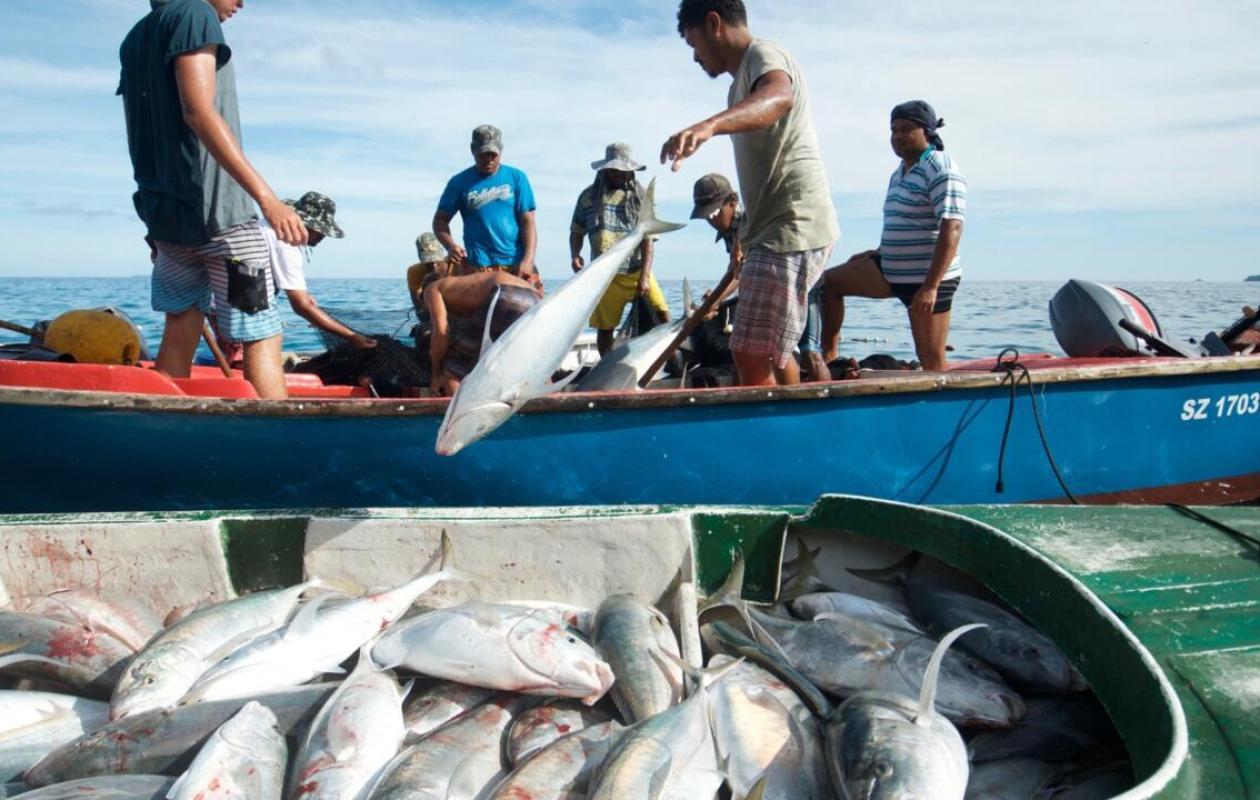
In Africa, artisanal fishing is a strategic sector for food security, employment, and the income of millions of people. Women also play a major role in the processing and marketing of fish products.
However, this sector continues to face strong pressure from industrial activities. The continental study conducted by the African Confederation of Artisanal Fisheries Organizations (CAOPA), with the support of DnS Consulting, the French Research Institute for Development (IRD) and the German Federal Ministry for Economic Cooperation and Development (BMZ), highlights several major difficulties.
The situation is particularly worrying regarding incursions into areas reserved for artisanal fishing. The organizations consulted report activities by industrial vessels or IUU fishing vessels in their fishing grounds.
The study also notes that approximately 70% of the organizations surveyed indicate that their members do not benefit from any fuel subsidies, while artisanal fishermen have to face competition from industrial fleets benefiting from various support mechanisms.
Beyond the issue of subsidies, the implementation of the Agreement poses a significant institutional challenge. The study highlights, in particular, the inadequacy of stock assessments in the countries studied, which limits their ability to fully benefit from the opportunities provided by the agreement.
National capacities for notification, transparency, and monitoring also appear limited. Furthermore, women processors and inland water fishers remain insufficiently addressed in existing regulatory frameworks.
Presenting the study's findings, Dr. Hamady Diop believes the Agreement represents an opportunity for African artisanal fisheries, but one that must be secured. According to his analysis, new disciplines can help reduce the pressure exerted by certain industrial subsidies and distant-water fishing activities on African coastal waters.
African states also retain room for maneuver to invest in monitoring, security, post-harvest infrastructure, and the livelihoods of fishing communities. However, this possibility depends, according to the study, on the quality of implementation and effective access to financing mechanisms.
Fish 1 is in effect, Fish 2 is still under negotiation
The study distinguishes two parts of the Agreement. The first, already in force since September 2025, governs subsidies related to IUU fishing, overexploited stocks, and certain unregulated high seas fishing activities. The Agreement Committee is operational, and the Fisheries Fund has begun approving funding.
The second part, focusing in particular on disciplines related to overcapacity and overfishing, remains incomplete. Negotiations must continue, with the prospect of further discussions before 2027.
For artisanal fishing organizations, several issues therefore remain crucial: the transition periods granted to developing countries, access to the flexibilities provided for under special and differential treatment, the consideration of industrial subsidies and the fight against distant fishing.
The study, which mobilized 37 organizations from 25 African countries and the five regions of the continent, thus insists on the need to involve professional organizations more in the definition of national implementation policies.
For those involved in artisanal fishing, the real challenge now is to prevent new international rules from further weakening a sector already facing industrial competition, IUU fishing and difficulties in accessing public support.
The WTO Agreement could thus become an important instrument for the sustainable governance of fisheries in Africa, provided that financing mechanisms are accessible to communities, that States strengthen their control capacities and that artisanal fishers are directly involved in decisions that concern their future.






















Commentaires (0)
Participer à la Discussion
Règles de la communauté
💡 Astuce : Utilisez des emojis depuis votre téléphone ou le module emoji ci-dessous. Cliquez sur GIF pour ajouter un GIF animé. Collez un lien X/Twitter, TikTok ou Instagram pour l'afficher automatiquement.
Se connecter
Commentez avec votre profil, votre photo, et soyez averti des réponses.