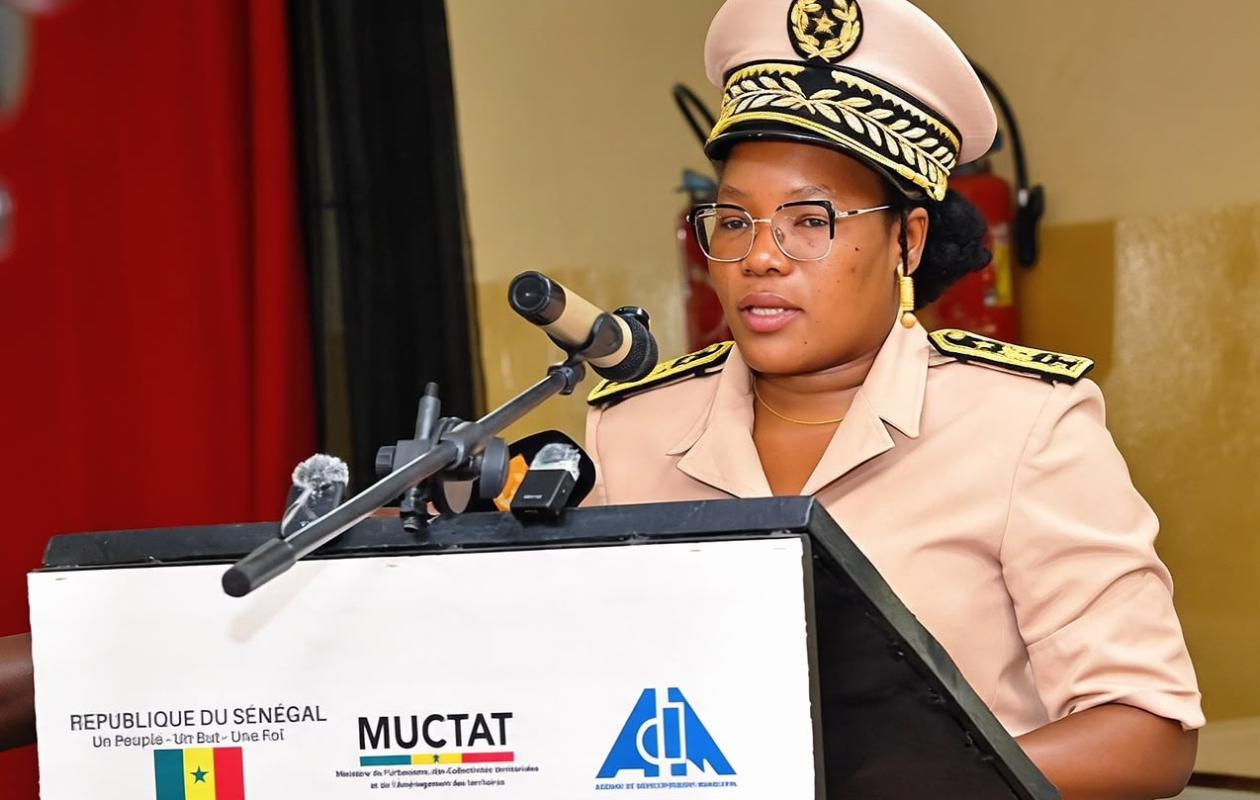
Bilan du PACASEN à Tambacounda et Kédougou : Sept ans de transformations majeures pour les Collectivités territoriales
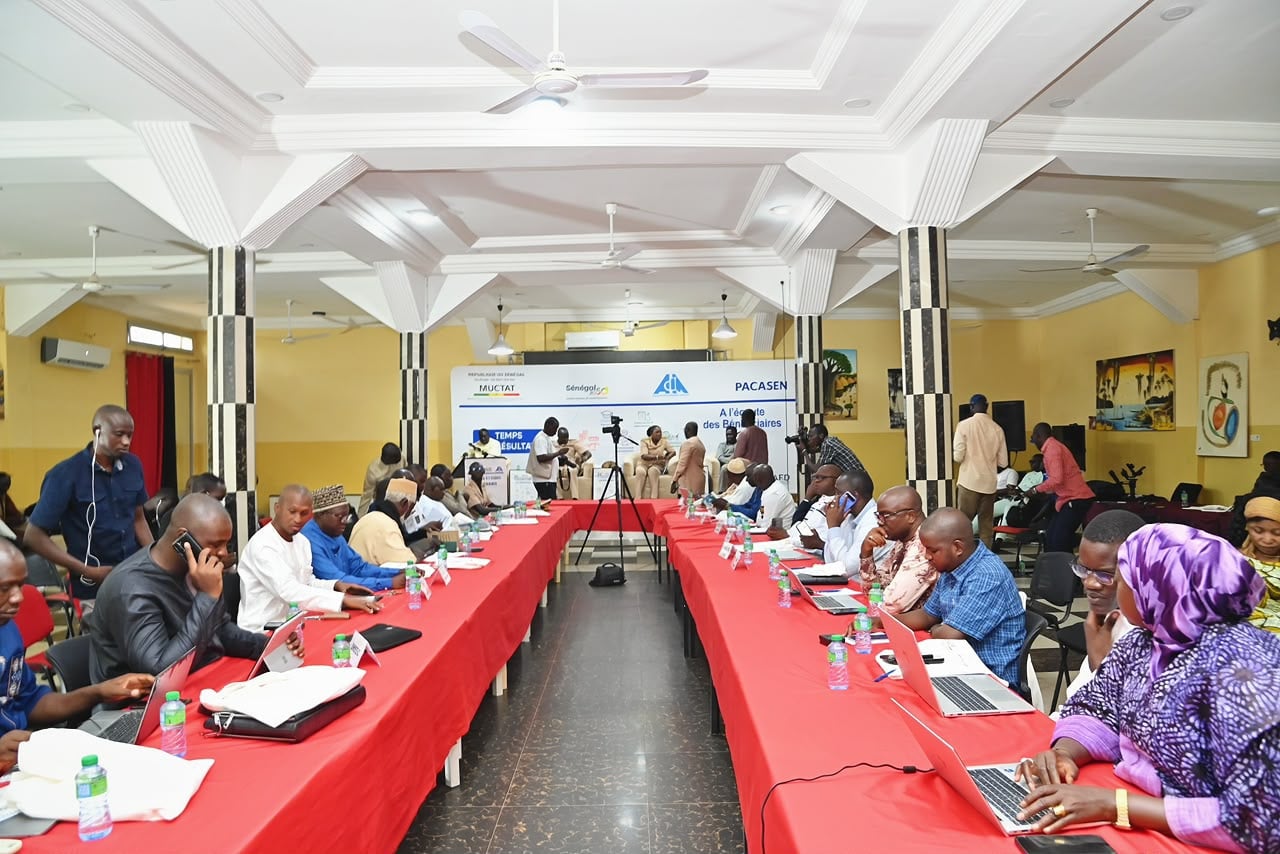
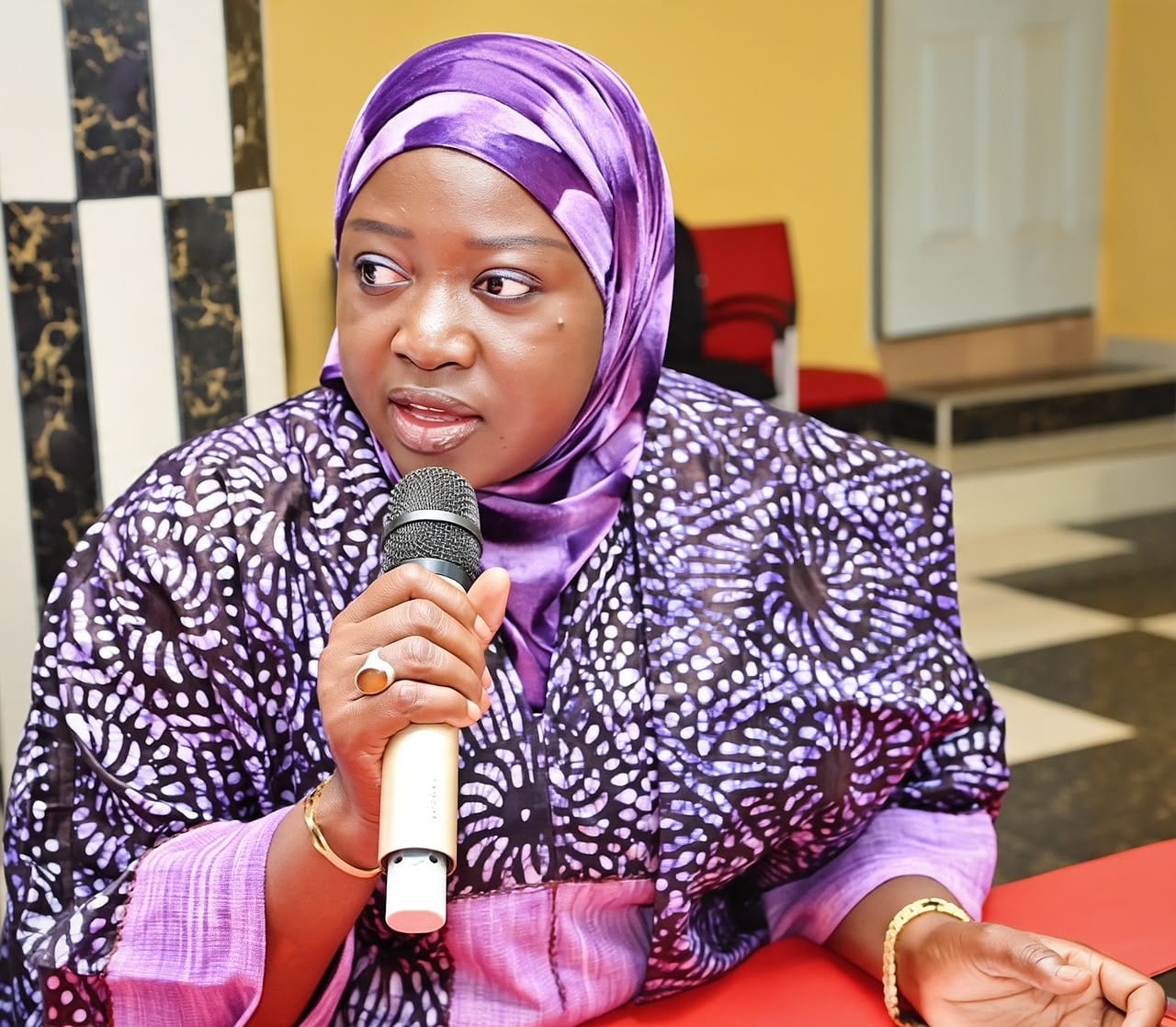
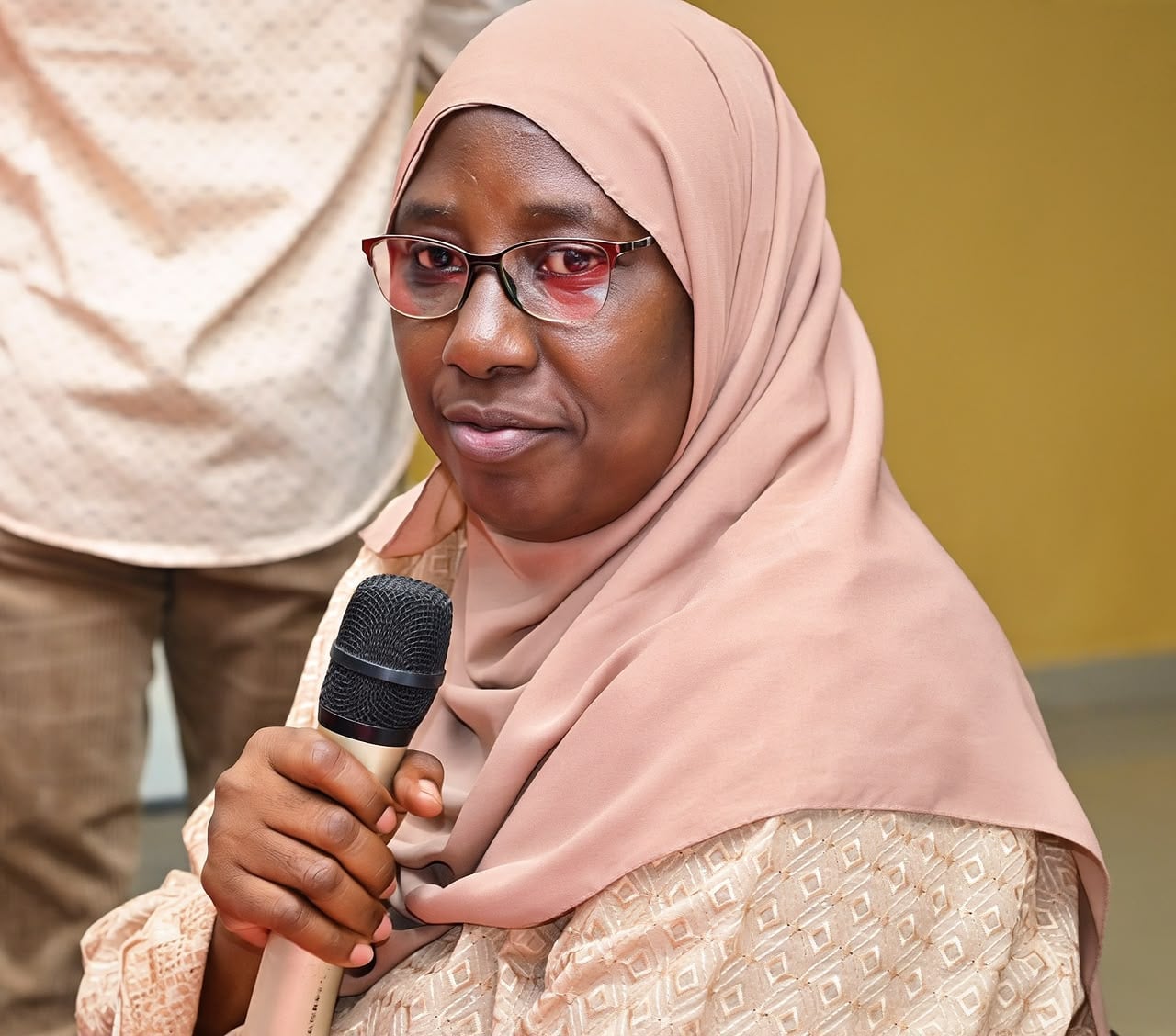
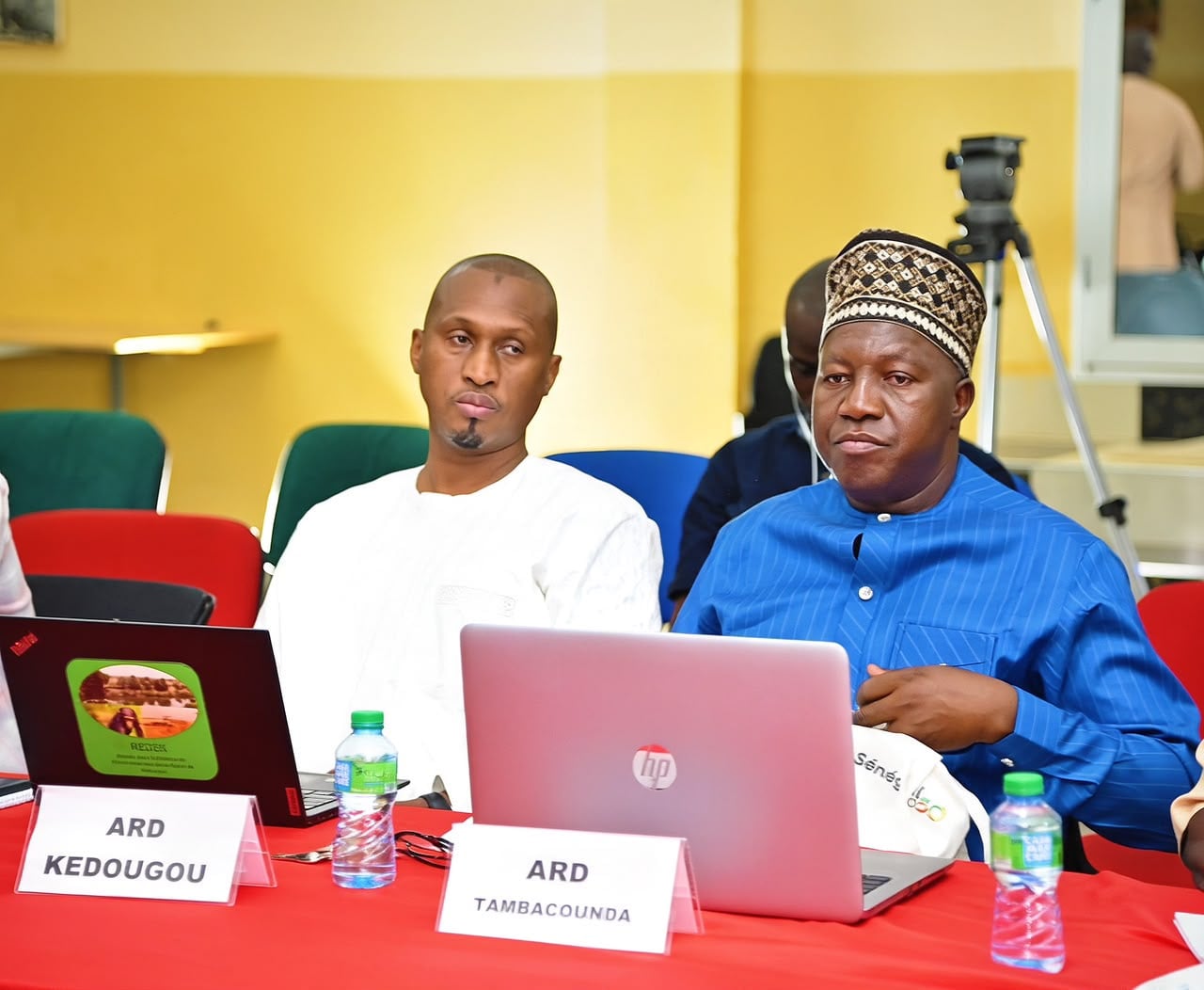
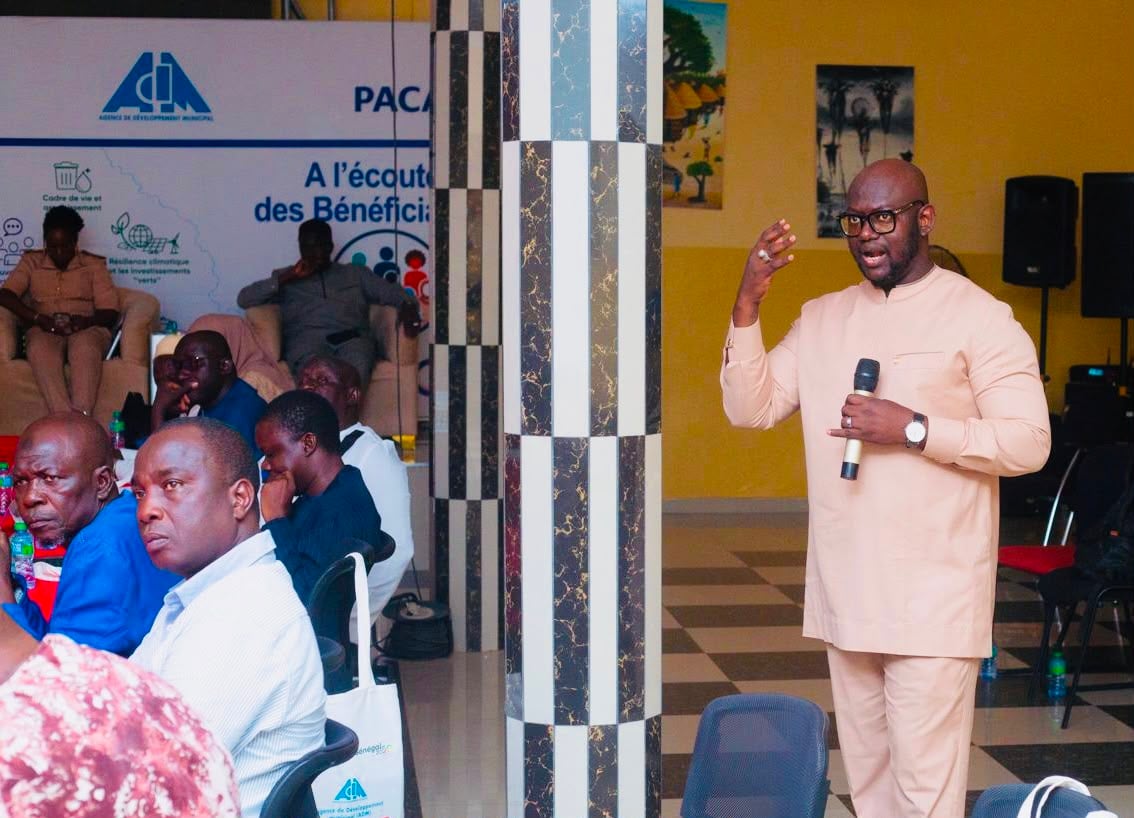
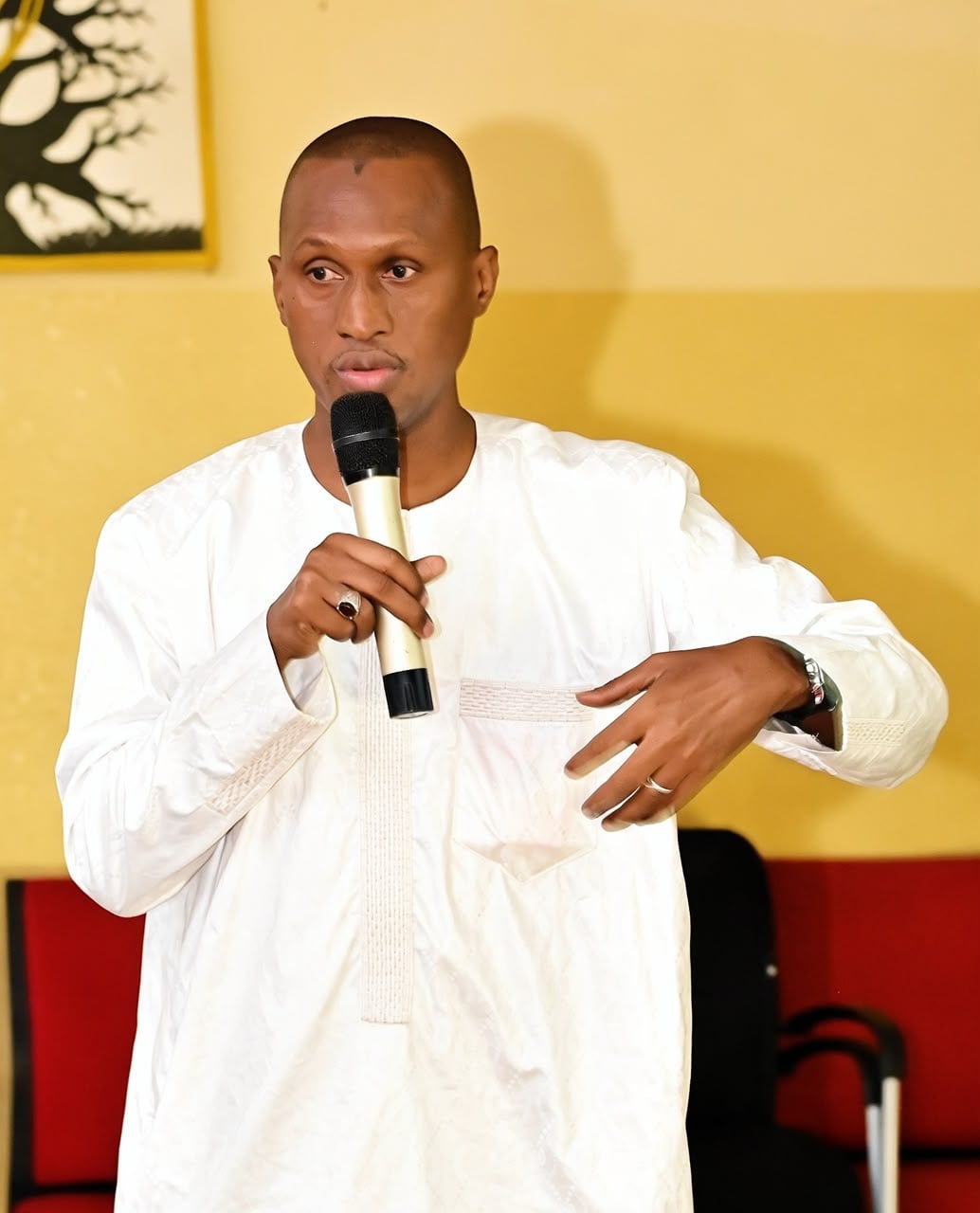
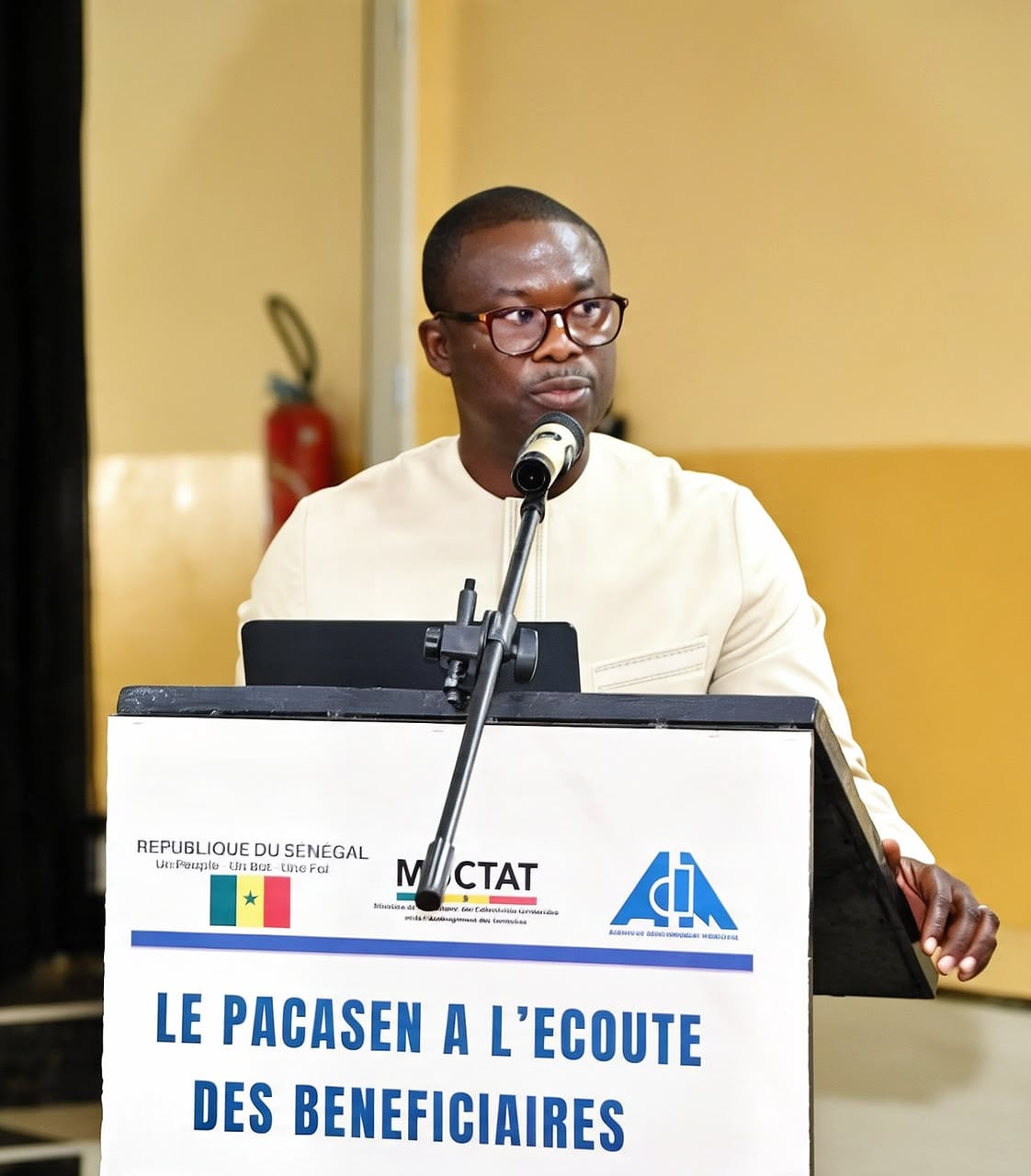
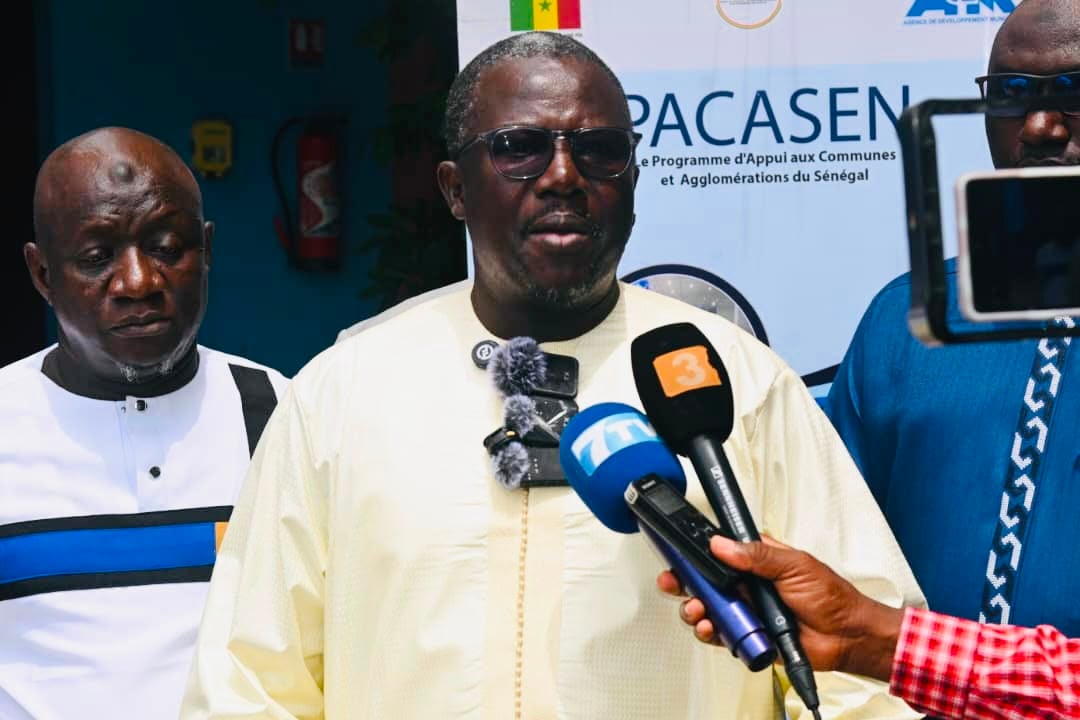
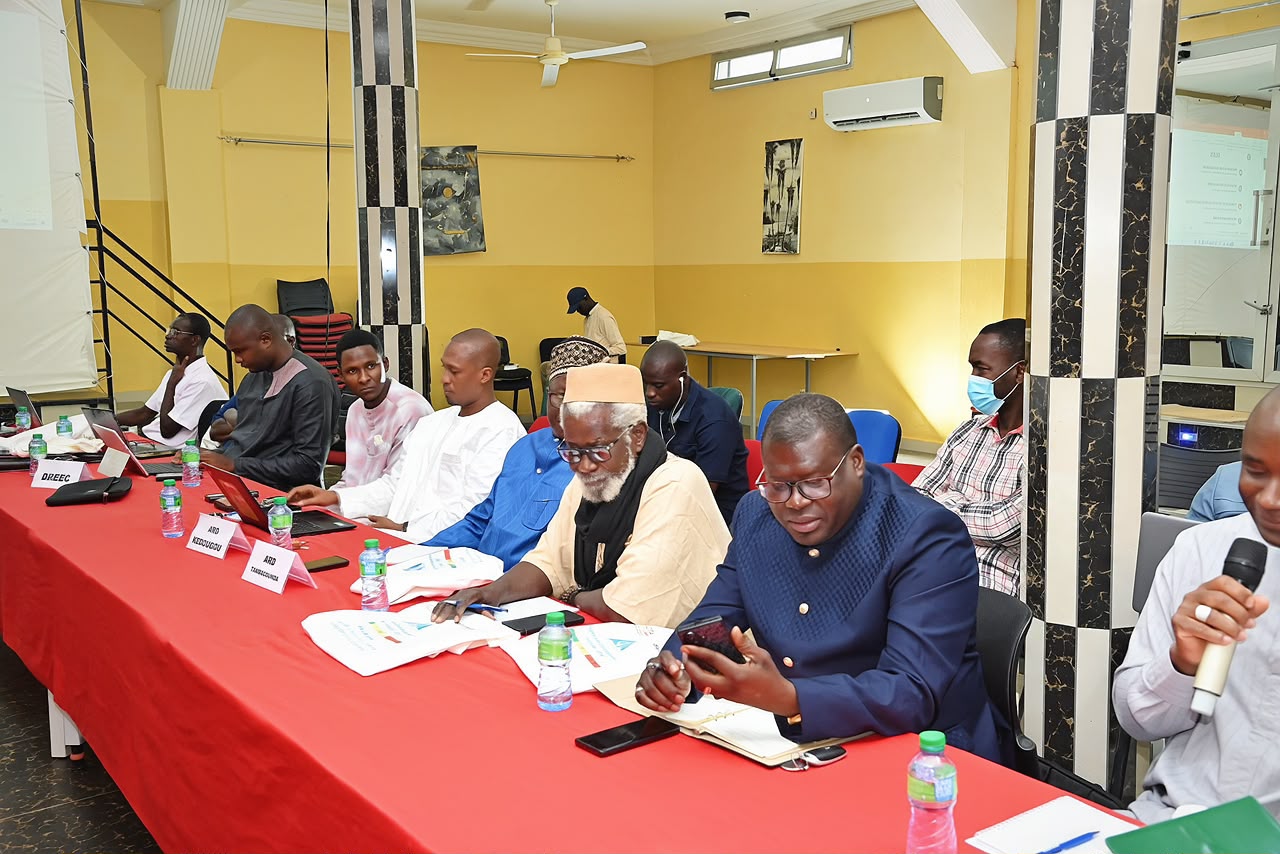
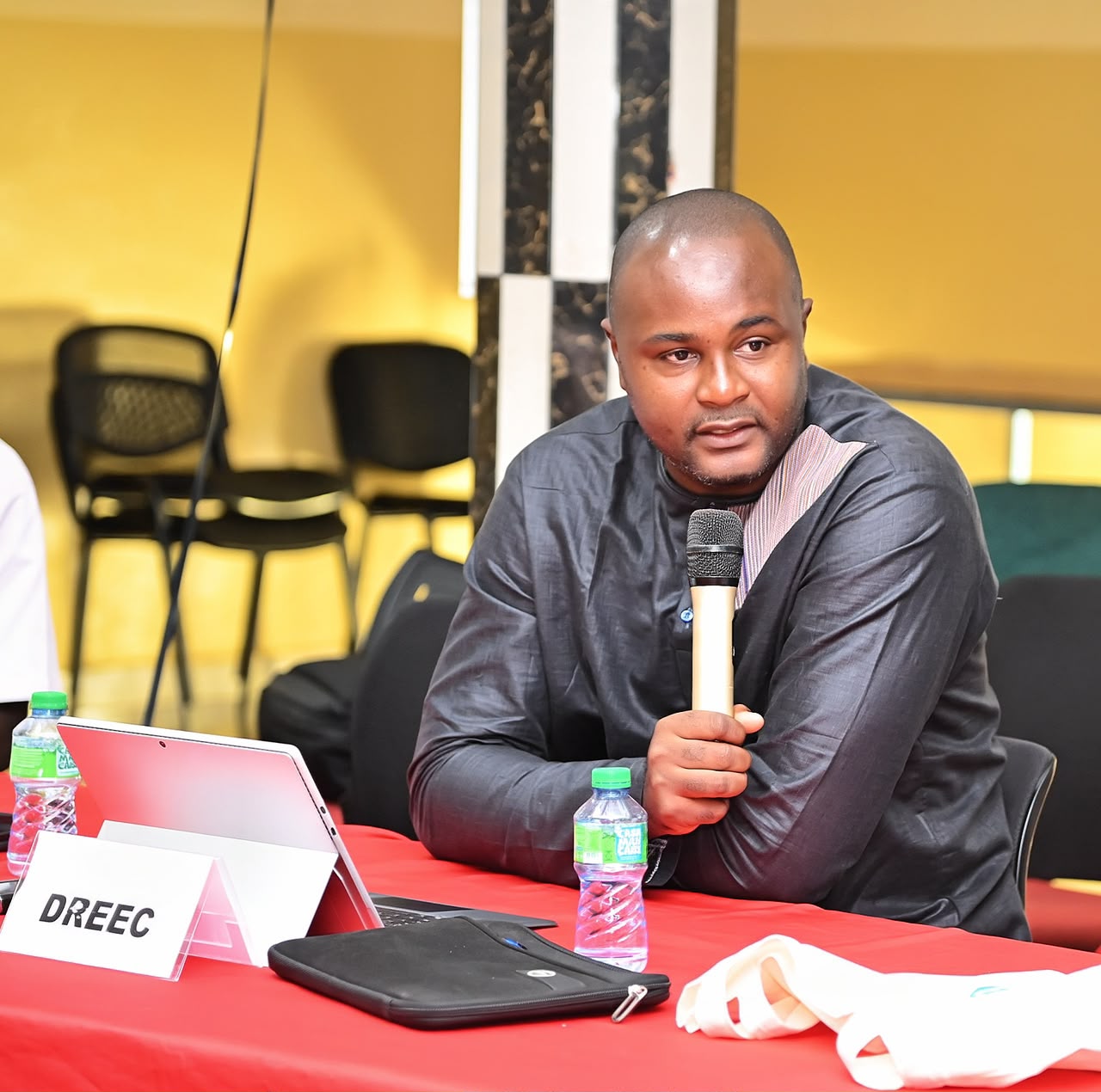
The transformative and sustainable results achieved during the seven years of implementation of the Support Program for Municipalities and Urban Areas of Senegal (PACASEN) were presented in detail on Thursday, August 13th. This took place in the Southeast Territorial Hub regions of Tambacounda and Kédougou. This major event was held during a regional workshop for sharing and consolidating PACASEN's results. It was chaired by the Deputy Governor of Tambacounda in charge of development, and attended by the Director General of the Municipal Development Agency (ADM), Dr. Mamouth Diop, the mayors of PACASEN beneficiaries, the Prefect of Tambacounda, the Director of the Tambacounda Regional Development Agency (ARD), and other local stakeholders.
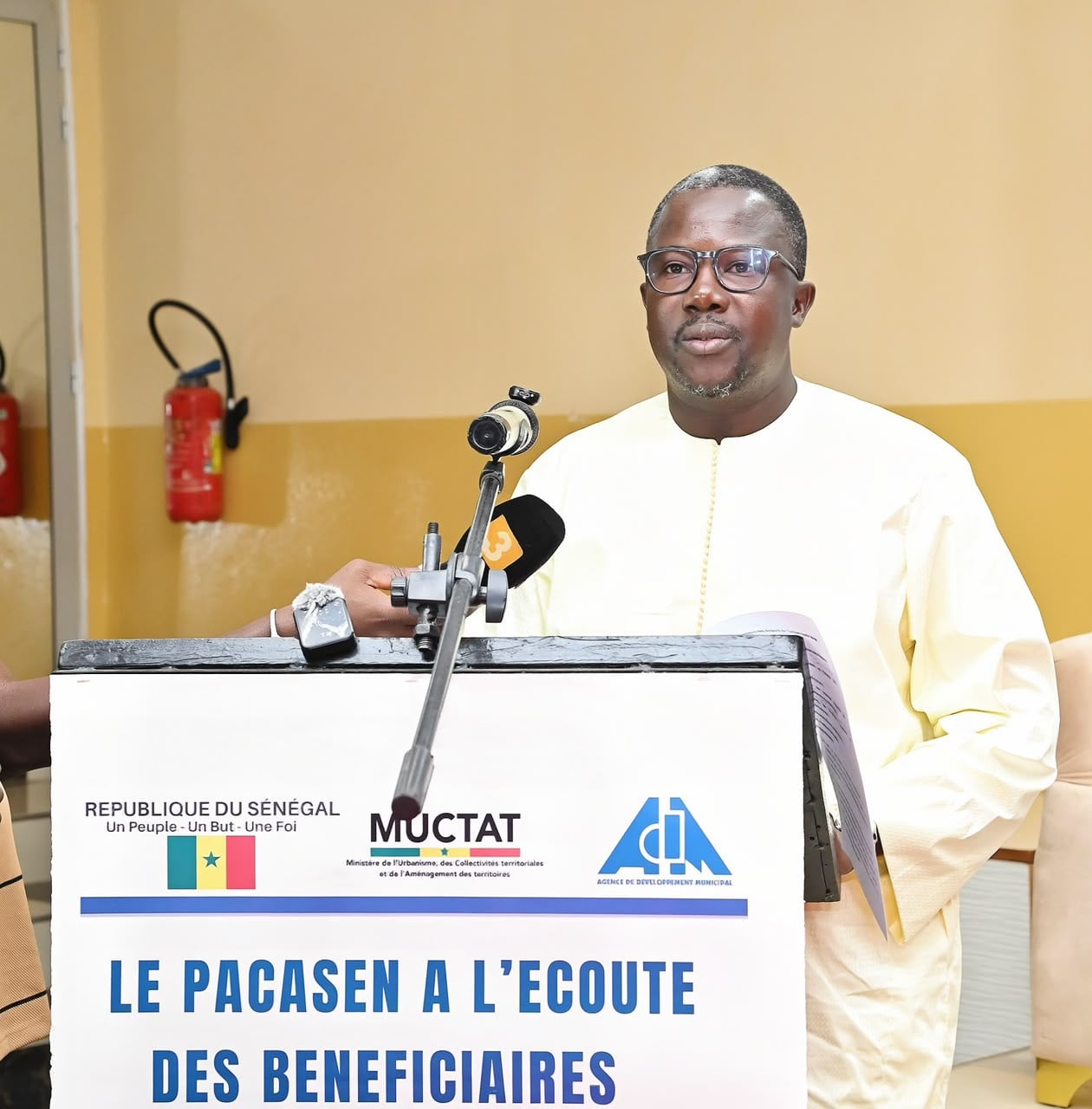
We are now at a crucial stage in the PACASEN project in the eastern part of the country. After seven years of sustained deployment, the territorial assessment presented at the meeting on Thursday, August 13th, was commendable. It revealed profound changes in local governance and the modernization of public investments for the benefit of the population. This workshop allowed us to measure the progress made through the remarkable impact recorded on the institutional experience of municipal institutions and the socio-economic well-being of the populations in the Tambacounda and Kédougou regions.
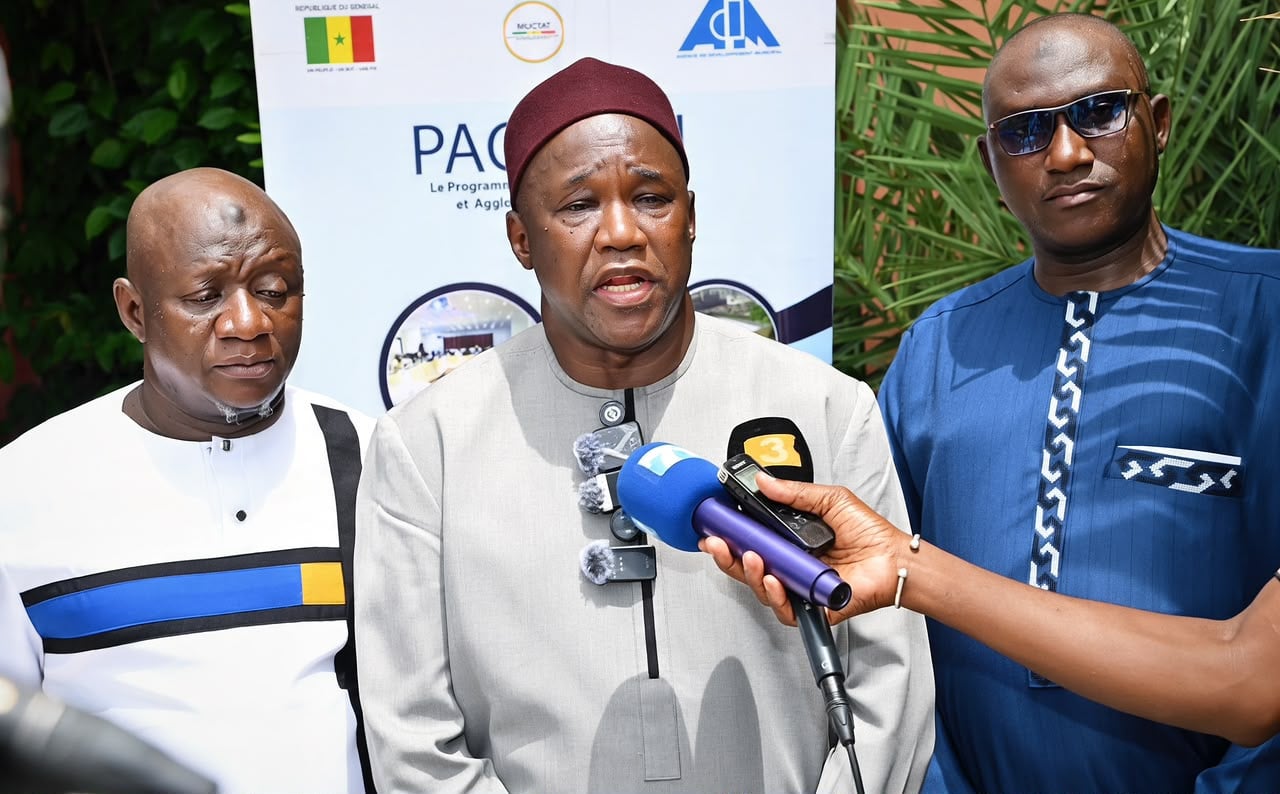
Tambacounda: A Massive and Successful Investment Dynamic
Here in this eastern part of Senegal, the program focused particularly on five pilot municipalities: Tambacounda, Bakel, Diawara, Goudiry, and Koumpentoum. Of the total funds received, amounting to over 4.4 billion CFA francs, the local authorities successfully mobilized almost all of the financial resources. This commendable level of implementation reflects the rigorous approach taken to carrying out the projects under the auspices of the Regional Development Agency (ARD) and decentralized technical services. The investments enabled the completion of 104 strategic projects in essential sectors such as roads, health, education, water resources, electrification, and support for commercial and agricultural activities.
Beyond infrastructure, the most significant impact lies in strengthening financial sustainability and administrative capacity. All five pilot municipalities in the region met all the Minimum Mandatory Conditions (MMC) throughout the evaluation period. This demonstrates a thorough understanding of management standards, budgetary governance, and financial transparency. For example, the systematic holding of public hearings, the functionality of complaint management mechanisms, and the widespread adoption of the local financial management software (GFILOC) are just a few practical examples of improved local government management.
Kédougou: A Rise in the Power of Territorial Governance
The Kédougou region is showing a similarly positive trajectory in its three beneficiary municipalities: Kédougou, Salémata, and Saraya. With a total of over 1.4 billion CFA francs mobilized, 48 high-impact social projects have been funded. The aim of these resources was to modernize urban planning, open up isolated neighborhoods, extend water and electricity networks, and construct local public facilities. The multi-purpose complex and municipal grandstand in Saraya, the health post in Dalaba, and the Salémata town hall are just a few examples illustrating the diversity of these achievements.
At the institutional level, the empowerment of municipal teams and the ongoing Territorial Coaching (TCC) provided jointly by the Municipal Development Agency and the Regional Development Agency have led to a remarkable improvement in local project management capacity. The mobilization of local tax commissions has allowed for a better understanding of tax revenue potential. The training received by administrative staff and elected officials, based on intensive capacity-building sessions covering procurement, environmental and social management, and climate change adaptation, is proving highly beneficial to local governance.

Consolidating achievements and heading towards the next phase
As we take stock of these seven years of implementation, the overall evaluation demonstrates that the program has achieved its fundamental objectives of institutional transformation and improved living conditions. The transition to the next phase is now underway in a reassuring manner, with a key focus on the more specific integration of climate resilience challenges. Given this positive assessment, all regional and institutional stakeholders unanimously expressed a strong commitment to the sustainability of this territorial development model, coupled with the launch of a major second phase.
The PACASEN program, managed by the Municipal Development Agency ( ADM ) under the supervision of the Ministry of Urban Planning, Local Authorities and Territorial Development, is primarily funded by the PforR (Program for Results) instrument. This innovative mechanism, deployed for the first time in Senegal, makes subsidies to local authorities conditional on the achievement of concrete results, while supporting structural reforms to strengthen their capacity to provide basic infrastructure and social services.
This initiative is part of the Senegal 2050 strategic vision, particularly its third axis aimed at strengthening human capital and promoting social equity. 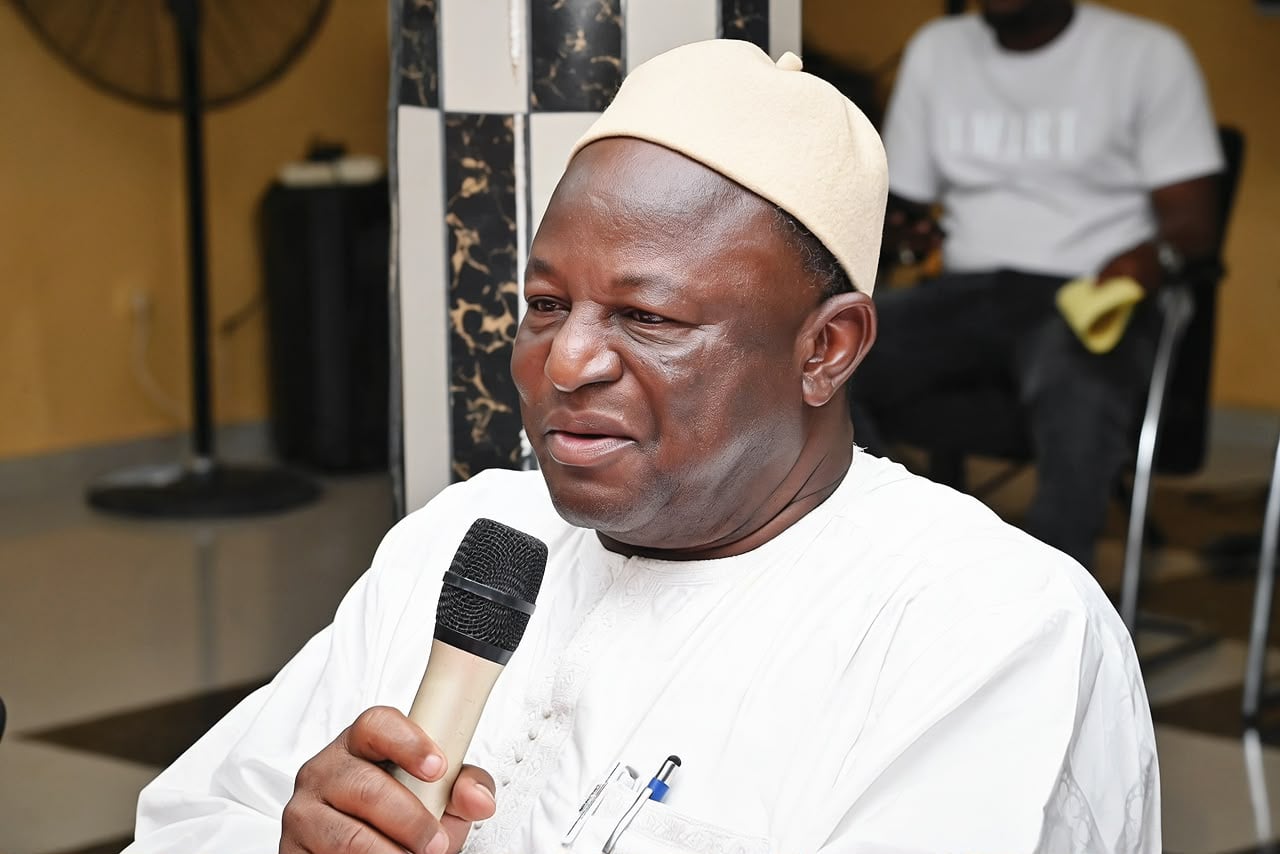




















Commentaires (0)
Participer à la Discussion
Règles de la communauté
💡 Astuce : Utilisez des emojis depuis votre téléphone ou le module emoji ci-dessous. Cliquez sur GIF pour ajouter un GIF animé. Collez un lien X/Twitter, TikTok ou Instagram pour l'afficher automatiquement.
Se connecter
Commentez avec votre profil, votre photo, et soyez averti des réponses.