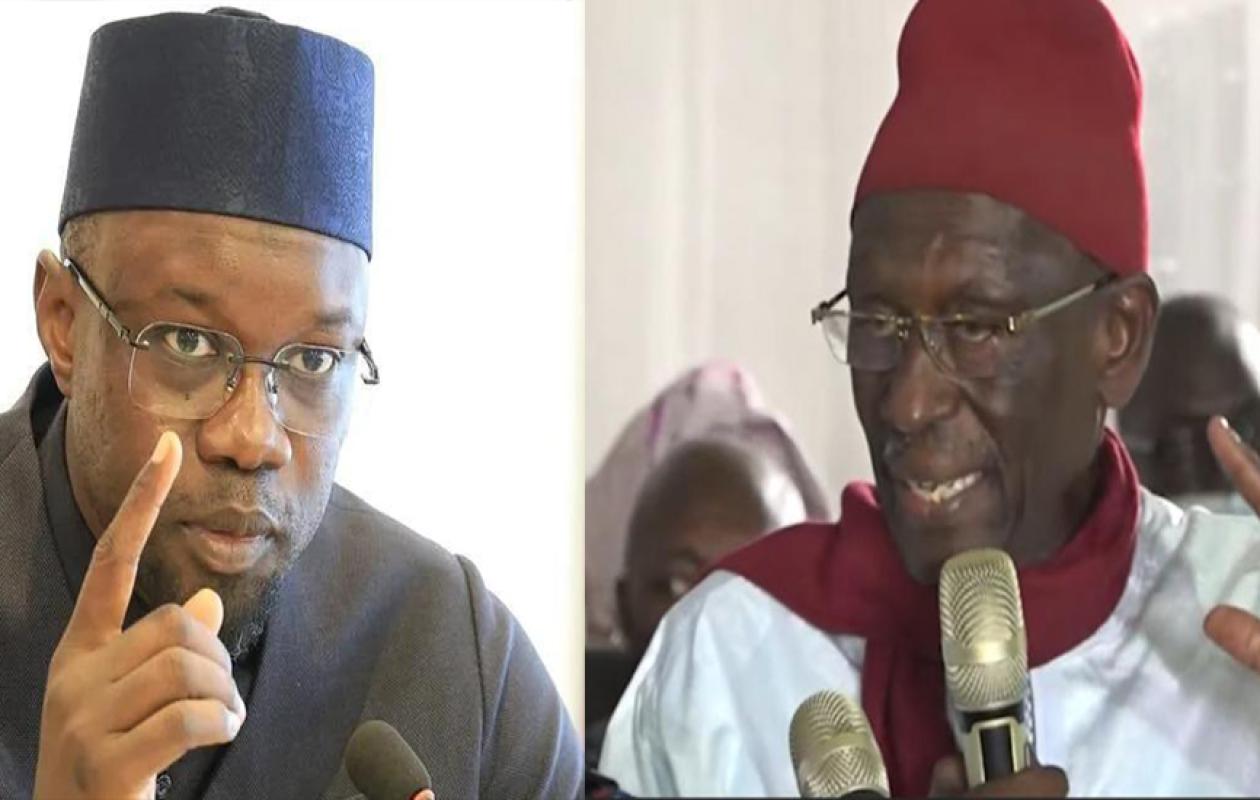
Débat budgétaire sur la LFR 2026 : Doudou Wade rappelle les règles constitutionnelles à Ousmane Sonko
Following Ousmane Sonko's announcement that PASTEF would not vote for the 2026 supplementary budget law in its current form, former parliamentarian Doudou Wade stepped forward to reiterate constitutional principles. Emphasizing Article 86 of the Constitution and the central role of the Finance Committee, he urged adherence to parliamentary procedures in the face of concerns about rising fuel prices and the cost of living.
While Ousmane Sonko announces that PASTEF will not vote for the supplementary budget law in its current form, Doudou Wade revisits the constitutional mechanisms governing budget adoption. The former parliamentarian emphasizes the role of the National Assembly, the prerogatives of the Prime Minister, and the place of the Minister of Finance in budget discussions.
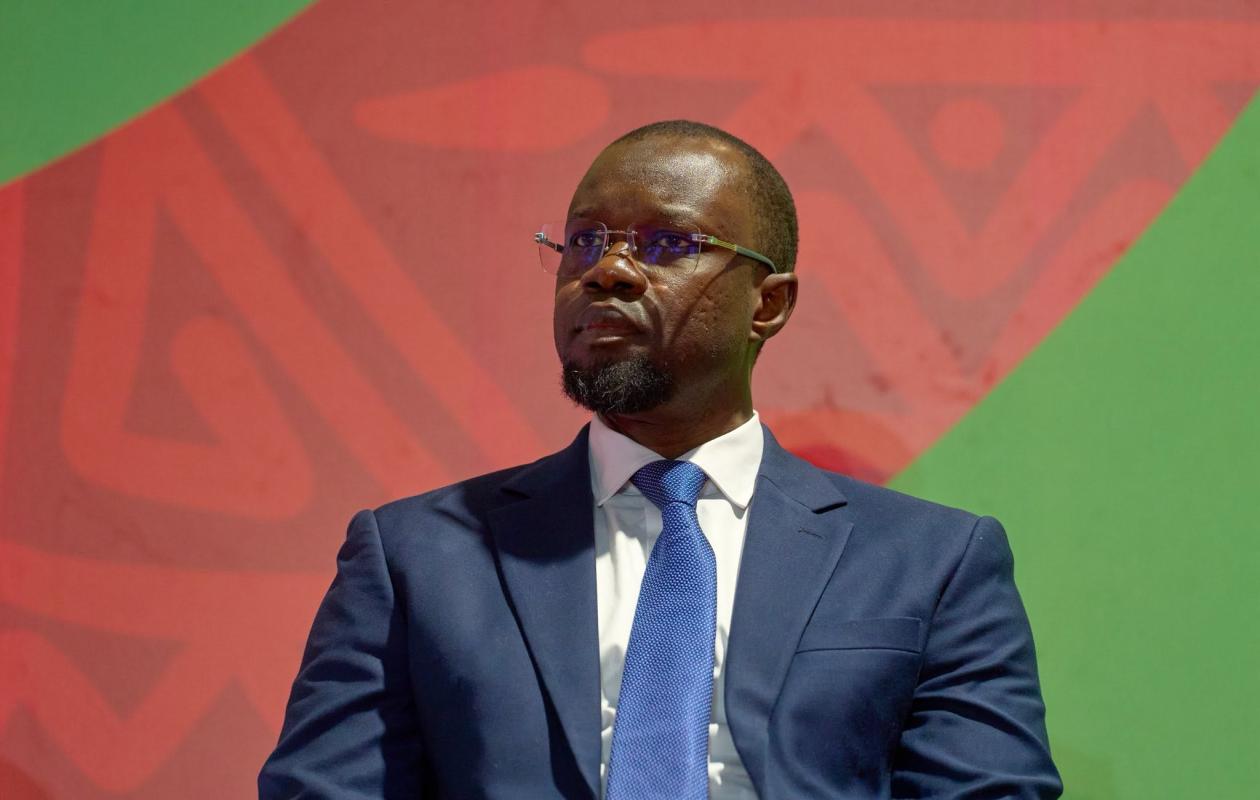
Ousmane Sonko's comments on the 2026 supplementary budget law (LFR) raise questions about institutional and parliamentary mechanisms. The PASTEF party leader announced on Monday, October 19, that his party would not vote for the text in its current form, denouncing in particular the reduction of subsidies for petroleum products and the cuts to certain social and investment funds.
In this context, Doudou Wade sheds light on the constitutional rules governing the adoption of finance laws. In his remarks, the former parliamentary official draws attention to Article 86, paragraph 6, of the Constitution, concerning the government's commitment to the National Assembly. He reiterates that the Prime Minister may, after deliberation by the Council of Ministers, commit the government's responsibility on a draft finance law. The text is then considered adopted unless a motion of censure filed within 24 hours is passed under the constitutional conditions stipulated.
“Talk to the Minister of Finance”
Doudou Wade also emphasized the role of parliamentary committees in reviewing budget bills. According to him, discussions must take place within the established institutional framework, with an article-by-article examination of the provisions of the finance law.
He particularly emphasizes the Finance Committee and the exchanges with the Minister of Finance, who is responsible for defending the government's budgetary choices and answering questions from members of parliament. "Refer to the law and discuss it with the Minister of Finance; it is his responsibility to discuss the finance bill with you," he states. The former parliamentarian also addresses the relationship between the President of the Republic, the Prime Minister, and the National Assembly, stressing the importance of strictly respecting the prerogatives of each institution.
The high cost of living is at the heart of concerns
Beyond parliamentary procedures, Doudou Wade addresses the economic consequences of reducing subsidies on petroleum products. He fears an increase in fuel costs that could directly impact the prices of essential goods and services.
This concern echoes the warning issued by Ousmane Sonko, who mentioned a possible increase in diesel prices and its repercussions on transportation and everyday consumer goods. The controversy surrounding the 2026 Supplementary Finance Law thus extends beyond the mere question of the budget vote: it involves the government's economic choices, parliamentary oversight of public finances, and the constitutional mechanisms applicable in the event of disagreement between institutions.










Commentaires (35)
Cette posture puérile de Sonko n'aura aucune conséquence sur l'économie. Sonko vit ses derniers jours politiques. Telle une cabris sur l'autel, on peut lui concéder ses derniers soubresauts. Kuy bëgë dee wexú.
L’article 85 limite les motions de censure ordinaires, mais l’article 86, alinéa 6, prévoit un mécanisme exceptionnel : chaque recours au passage en force budgétaire peut ouvrir la voie à une nouvelle motion de censure, même après une première utilisation.
Le gouvernement peut donc être renversé plusieurs fois s’il persiste face à une majorité hostile. La seule véritable issue pour l’Exécutif reste alors la dissolution de l’Assemblée nationale, à partir du 2 décembre.
Nous sommes amnésiques certes Dudu Wadd mais de là a ce que vous donniez des leçons de constitution dans ce pays c'est une franche rigolade. Car en effet rien, depuis que vous êtes dans le champ politique, n'a jamais affecté votre effrontée subjectivité quand il s'agit d'analyse. Et pour mieux vous démontrer que les sénégalais ne sont pas si amnésiques que vous le croyez, ils vous réduisent de plus en plus a l'expression la plus menue en résultat électoral.
Dans ce pays il y a des gens qui devaient raser les murs quand on parle de constitution étant les seuls à avoir tenté de la devoyer pour installer une monarchie même au prix de morts en 2011.
Cette posture puérile de Sonko n'aura aucune conséquence sur l'économie. Sonko vit ses derniers jours politiques. Telle une cabris sur l'autel, on peut lui concéder ses derniers soubresauts. Kuy bëgë dee wexú.
Ndiaga Seck approuve ce message !!
Sonko ne connaît pas de règles, il ne connaît que le rapport de force.
Et il sait pertinemment qu’il a en face de lui quelqu’un de très différent comparativement à Macky le pereux.
Voilà pourquoi il cherche à se couvrir les fesses en attendant son limogeage politique pour faute lourde sur la République.
Diomaye djeredjeff 🙏
Vous trompez qui?
Participer à la Discussion
Règles de la communauté
💡 Astuce : Utilisez des emojis depuis votre téléphone ou le module emoji ci-dessous. Cliquez sur GIF pour ajouter un GIF animé. Collez un lien X/Twitter, TikTok ou Instagram pour l'afficher automatiquement.
Se connecter
Commentez avec votre profil, votre photo, et soyez averti des réponses.