Démocratie en Afrique francophone : trente-six ans d’illusions perdues ?
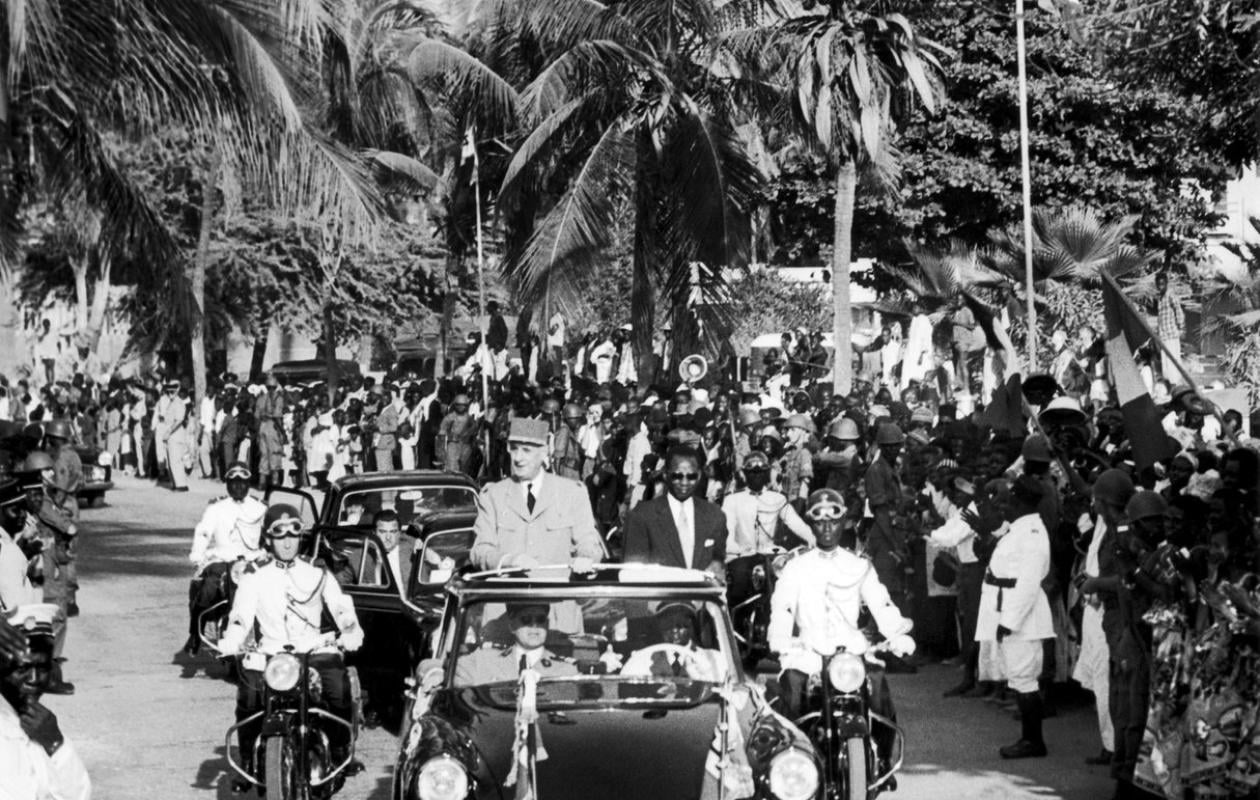
For over three decades, the democratic wave from Eastern Europe has swept across Francophone Africa. At the time, enthusiasm was widespread: in the streets, people celebrated this new wind, supposedly destined to lift the continent out of poverty and obscurantism. French President François Mitterrand, then concerned about his image, managed to transform this moment into a crusade, inviting African leaders to embrace this new doctrine in his La Baule speech on June 20, 1990, at the 16th Summit of African and French Heads of State.
For this political religion to triumph, it was first necessary to oust the founding fathers, those once untouchable figures who had led their countries to independence. Only yesterday revered, they suddenly became the designated scapegoats for all the continent's failures. The single-party system was abolished, and multiparty politics imposed, often at the cost of the lives of many young activists. People then embraced it as one enters a religion: with fervor, but without real discernment.
Thirty-five years and dozens of elections later, the record remains bleak. While most states have adopted constitutions modeled on the Western system and hold frequent elections, the living conditions of their populations have hardly improved. New political parties, often built along ethnic lines, have emerged, led by educated elites sometimes even more corrupt than their predecessors. Vote buying has simply replaced the use of force. In the eyes of the world, these countries present a respectable democratic facade, with some leaders even boasting of being the best students of Paris. But development indicators tell a different story: increasing impoverishment, disillusioned youth, and recurring social crises.
Paradoxically, some countries that have descended into civil war have seen the emergence of leaders from the military ranks, who came to power by force rather than through elections. By breaking free from traditional democratic norms, these figures have sometimes succeeded in transforming their nations into centers of development, reducing poverty, and restoring meaning to national sovereignty, despite constant criticism from major powers. Rwanda and, until recently, Ethiopia, are perfect examples of this.
Meanwhile, in much of Francophone Central Africa, power remains entrenched: neither vision nor genuine development, but a consummate art of exploiting constitutional loopholes to maintain control. The continent has thus witnessed the establishment, south of the Sahara, of costly electoral democracies, without this price translating into concrete progress for the people only rarely.




















Commentaires (4)
Participer à la Discussion
Règles de la communauté
💡 Astuce : Utilisez des emojis depuis votre téléphone ou le module emoji ci-dessous. Cliquez sur GIF pour ajouter un GIF animé. Collez un lien X/Twitter, TikTok ou Instagram pour l'afficher automatiquement.
Se connecter
Commentez avec votre profil, votre photo, et soyez averti des réponses.