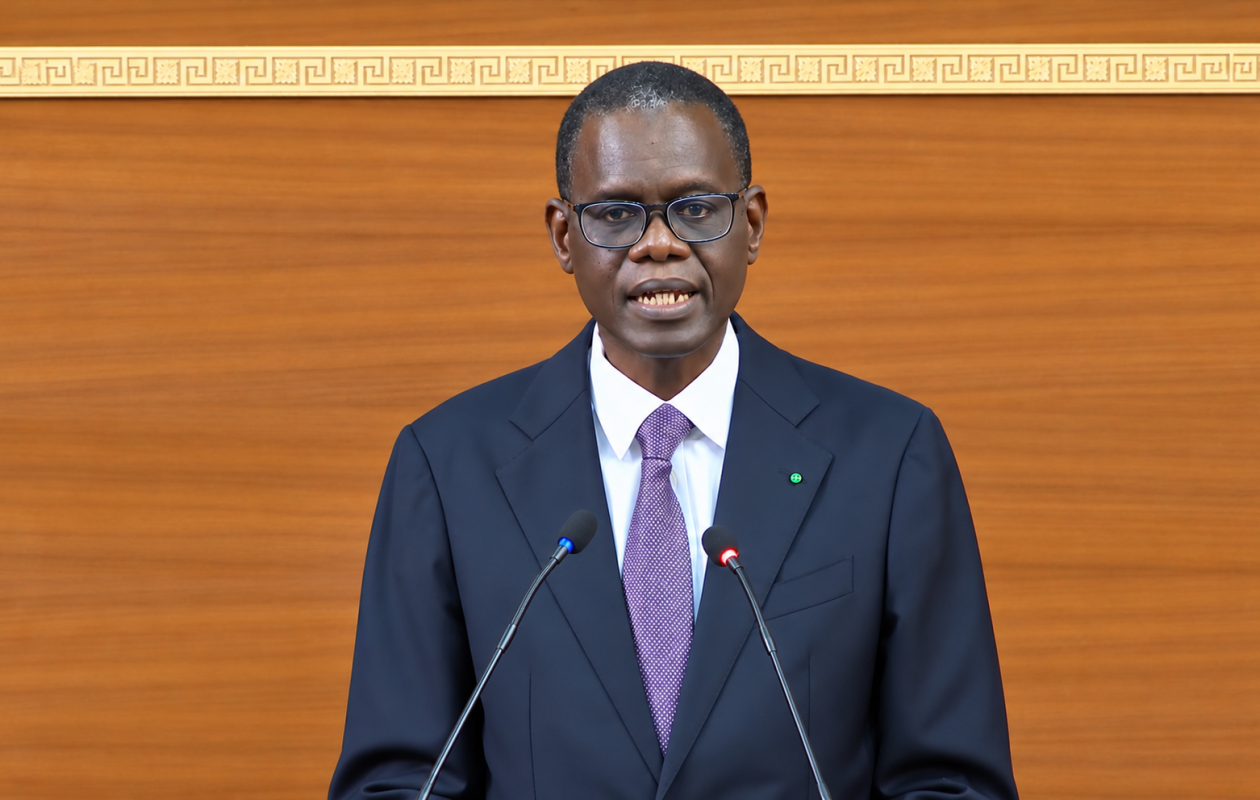
DPG : Ahmadou Al Aminou Lo liste les sept contraintes auxquelles le Sénégal fait face
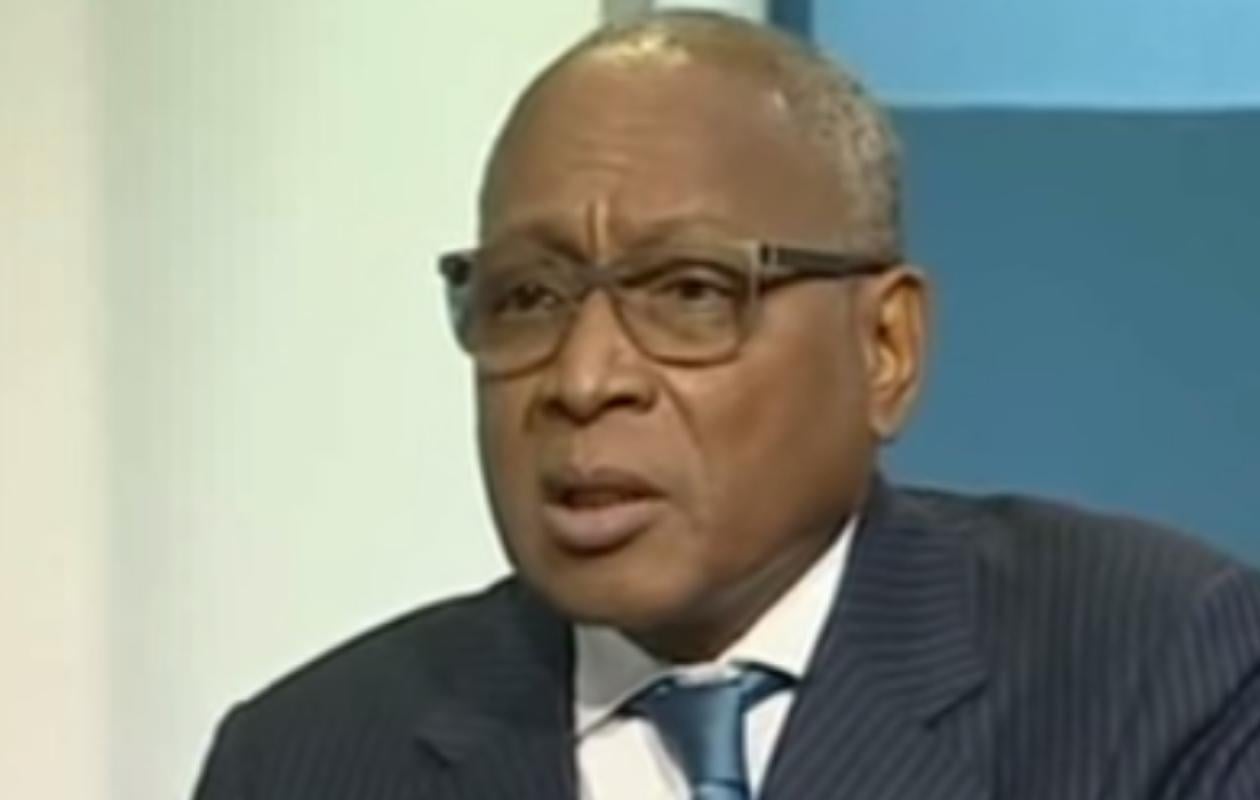
In his General Policy Statement (DPG) delivered this Tuesday before the National Assembly, Prime Minister Ahmadou Al Aminou Lo revisited the foundations of the national transformation framework. He then outlined a diagnosis of the structural obstacles facing Senegal.
"The Senegal 2050 Vision was built on the basis of the strategic diagnosis of the state of the country at the advent of the new regime, which thus synthesized these challenges: to break out of the vicious circle of economic and social dependencies and vulnerability," he declares from the outset.
Taking stock after nearly two and a half years in power, the Prime Minister emphasized the slow pace of progress given the current situation. "After almost 30 months in power for the new administration, things have certainly changed, but at a particularly slow pace due to the structural obstacles faced by any developing country, a small open economy with a large population," he said.
To structure the state's response, Ahmadou Al Aminou Lo formally identified seven major constraints to overcome.
" The first constraint is the social contract. This moral and political agreement of the full desire and unwavering will to live together in a nation. No reform will succeed without the trust of the Nation, without the support of citizens, without the loyalty of social actors, without a sense of shared effort, without an exemplary State."
The second constraint is financial. In a financing environment that has become more demanding, where trust must be regained every day, we need to restore Senegal's credibility, conclude the necessary partnerships, mobilize more endogenous resources, and rigorously choose investments that truly create value,” he argued.
Before continuing, he added: “ The third constraint relates to the demographic dividend . Our population is young and will remain so for a long time (50% under 19 and 75% under 35). This youth is our greatest asset, but it is only an advantage if we educate, nurture, and employ them at the rate they enter the job market; otherwise, they become a burden, then a source of resentment. The window of opportunity is narrow: one generation, no more.”
For Al Aminou Lo, the fourth constraint is administrative and institutional . He states: “Too many projects have suffered from insufficient preparation, excessive delays, endless decision-making chains, and inadequate monitoring. Too often, intention preceded structuring, and announcement preceded execution. We will remedy this through the immediate implementation of profound reforms to the methods of developing, implementing, managing, and evaluating projects and programs. The key feature of this approach is, on the one hand, a focus on impact and results on people's lives and, on the other hand, the operational efficiency of the Administration through a process-oriented approach. These two initiatives were launched and completed in my previous role as Minister of State in charge of the Senegal 2050 Agenda.”
The fifth constraint relates to climate risks. “Our country operates in a semi-arid environment with an agro-sylvo-pastoral economy that is overly dependent on rainfall, despite significant river and groundwater resources. It faces continuous and increasing exposure to rising temperatures and sea levels. The marine and coastal environment is threatened by pollution of all kinds, with significant risks to the blue economy. Nothing sustainable will be achieved without managing climate risks,” he asserts.
The sixth constraint is the business environment . He points out that Senegal faces a certain inability to develop a strongly capitalized national private sector capable of competing with or partnering in a balanced way with foreign direct investment.
We need to have champions in large as well as small and medium-sized enterprises. We have an obligation to ensure that crafts play an important role in the fabric of SMEs. But, we must also, with clear-sightedness, given the weakness of national savings, create an attractive business environment for foreign direct investment in sectors with high potential for added value or employment, with a systematic approach to joint ventures and public-private partnerships,” he explains.
The seventh constraint is geostrategic . “Our country operates in a highly volatile international environment, as well as in a regional environment marked by tensions, realignments, and uncertainties. Senegal must remain a pillar of stability, a space for dialogue, and a peacemaker to reap the ‘democratic dividend’ it is entitled to claim after three democratic transitions in 24 years. Underestimating the role of political economy in international relations undermines the sovereignty dynamics of a small, open economy. History teaches us that countries that have fully embraced this dynamic have skillfully maneuvered, leveraging the time required for wealth and expertise accumulation to ultimately choose balanced partnerships and defend their interests from a position of strength through soft power and, where necessary, hard power,” he explains.
According to the Prime Minister, these seven constraints are not pretexts for caution. "They are the very substance of our responsibility. They reflect the magnitude of the task and the gravity of the mandate. They also indicate that this government will be guided by clear-sightedness, upholding the ethics of responsibility under the strict framework of the ethics of conviction," he stated.
















Commentaires (2)
Participer à la Discussion
Règles de la communauté
💡 Astuce : Utilisez des emojis depuis votre téléphone ou le module emoji ci-dessous. Cliquez sur GIF pour ajouter un GIF animé. Collez un lien X/Twitter, TikTok ou Instagram pour l'afficher automatiquement.
Se connecter
Commentez avec votre profil, votre photo, et soyez averti des réponses.