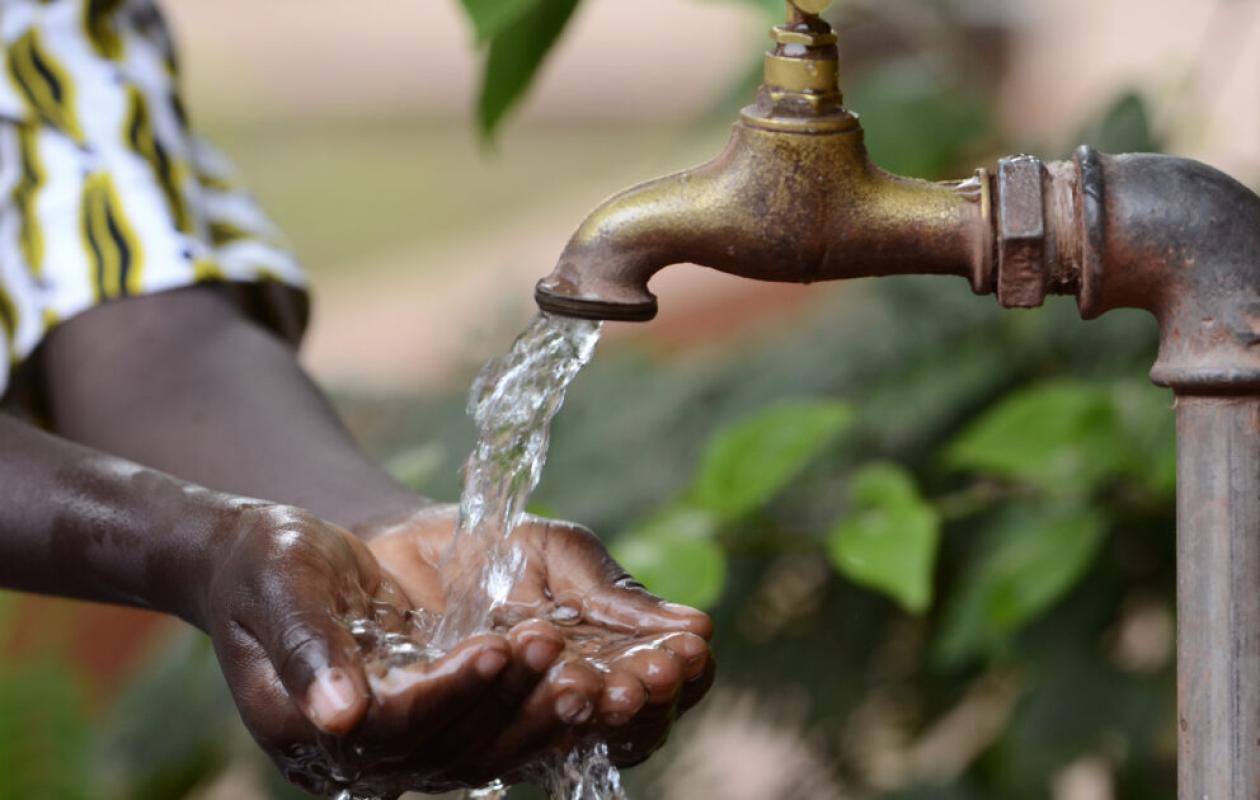
Eau et assainissement en Afrique : Les États face à leurs responsabilités
Access to clean water and sanitation remains a major human rights challenge in Africa. In Dakar, on Thursday, October 8, 2026, the opening of the forum dedicated to NGO participation in the 89th Ordinary Session of the African Commission on Human and Peoples' Rights was marked by calls to strengthen the responsibility of States and the role of civil society in public policies.
Speaking on behalf of the Network of Women Leaders for Development (RFLD), John Gbenagnon emphasized the consequences of water scarcity for women and girls. He noted that water collection requires millions of hours every day, often at the expense of girls' education and women's economic activities. In communities where water sources are remote, women must travel long distances to supply their families. The lack of adequate sanitation facilities in schools can, in turn, force some students to miss classes during their periods.
For the RFLD representative, these realities demonstrate that the right to water cannot be separated from equality, health, and human dignity. He therefore called on the African Commission to systematically examine women's access to water and sanitation in States' reports, in accordance with Article 15 of the Maputo Protocol.
He also called on the nine African Union member states that have not yet ratified the protocol to do so. The RFLD, for its part, intends to continue its support for grassroots women's organizations, particularly through the West Africa Feminist Fund, which covers fifteen countries. John Gbenagnon illustrated the importance of this funding with the example of a rural women's group that used a grant to repair their village's water pump.
For him, this experience demonstrates that women, when given the necessary resources, can provide concrete solutions to the challenges facing their communities. He also raised concerns about the shrinking of civic space, restrictions targeting civil society organizations, and online harassment of women human rights defenders. These threats, he argues, limit citizens' ability to hold authorities accountable.
Senegal calls for measurable results
On behalf of the Minister of Justice, Keeper of the Seals, Moussa Sarr, the Director of Human Rights at the Ministry of Justice, Julien Ngane Ndour, also placed the responsibility of public authorities at the heart of the discussions. He recalled that the African Union has dedicated 2026 to water and sanitation, emphasizing that these issues concern not only health and education but also peace, development, and human dignity. Despite the commitments made by states, millions of Africans remain without access to safe drinking water and adequate sanitation services.
According to him, the primary responsibility for this situation lies with the public authorities, who must invest in infrastructure, guarantee the quality of services and ensure that the most vulnerable populations are not left behind.
The official emphasized the need to measure public policies by their real impact. The number of projects launched or infrastructure inaugurated cannot, in itself, reflect progress made. The essential point remains the sustainable improvement of living conditions for the population.
He also drew attention to the consequences of political instability, armed conflict, and institutional crises, which undermine investments and jeopardize the continuity of water policies. The effects of climate change, pollution, rapid urbanization, and population growth further exacerbate these challenges. In 2024, Senegal organized national consultations on water and sanitation to involve various stakeholders in defining a policy based on transparency, equity, and accountability.
Civil society, an essential partner
For Julien Ngane Ndour, civil society organizations must be considered full partners in public action. Their knowledge of the local context and their ability to identify the needs of the population can contribute to improving services, monitoring resource use, and strengthening citizen transparency. Both interventions thus converge on the same requirement: transforming African commitments into concrete achievements. Because, beyond declarations, effective access to drinking water and sanitation remains a key indicator of states' capacity to protect the fundamental rights of their citizens.


















Commentaires (0)
Participer à la Discussion
Règles de la communauté
💡 Astuce : Utilisez des emojis depuis votre téléphone ou le module emoji ci-dessous. Cliquez sur GIF pour ajouter un GIF animé. Collez un lien X/Twitter, TikTok ou Instagram pour l'afficher automatiquement.
Se connecter
Commentez avec votre profil, votre photo, et soyez averti des réponses.