
Infiltration, fuites de données et cyber-menaces : L'appel d'El Malick Ndiaye pour former tous les agents publics
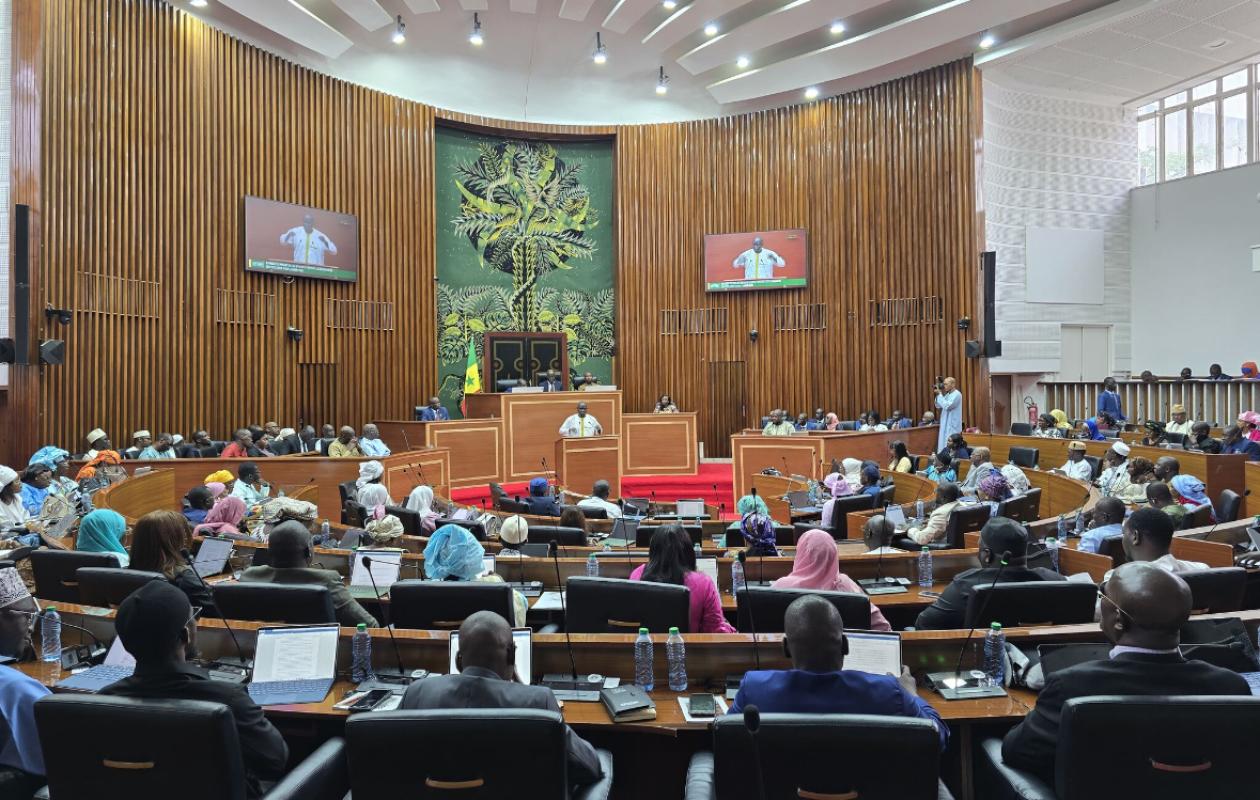
As the National Assembly examines draft law no. 25/2026 concerning the protection of critical information infrastructure and digital security in plenary session, El Malick Ndiaye placed the human factor at the heart of the debates. Welcoming the relevance of the text, the MP asserted that the protection of critical information infrastructure now constitutes "a matter of national sovereignty," on par with the protection of territory, institutions, and strategic resources. But for El Malick Ndiaye, technology alone is not enough: "We can have the best computer systems, the best security software, and the most modern infrastructure, but if users are not sufficiently aware of digital risks, our system will remain vulnerable," he warned.
The parliamentarian questioned the actual level of awareness among public employees regarding cybersecurity issues. He specifically wanted to know how many employees could identify fraudulent emails or phishing attempts , as well as how many mastered basic password management, confidential data protection, and device security. For El Malick Ndiaye, cybersecurity must become "a genuine administrative culture." He proposed extending training to all state employees, from central government departments to regional offices, including local authorities and public institutions. The MP even advocated for the introduction of a mandatory cybersecurity and data protection awareness module for all new public employees, supplemented by regular refresher courses.
Personal messaging services in the crosshairs
El Malick Ndiaye also raised concerns about the circulation of sensitive administrative documents through personal email addresses, instant messaging services, or platforms not controlled by the state. He believes this practice must be progressively eliminated. He recommends that every state employee have a secure professional email address and that sensitive government documents be circulated exclusively through secure and controlled institutional channels.
The MP also calls for increased security for mobile phones and work computers, emphasizing that a lost, stolen, or compromised device can provide access to confidential emails, administrative documents, or strategic contacts. He therefore proposes establishing mandatory minimum standards, including strong authentication, encryption, regular updates, secure backups, and the ability to remotely wipe work data.
“ Protecting future citizens”
For El Malick Ndiaye, awareness-raising should not be limited to the administration, but should begin in schools. He emphasized that children use phones, tablets, social media, digital platforms, and now, artificial intelligence tools, from a very young age. This early exposure makes them vulnerable to cyberbullying, scams, identity theft, inappropriate content, disinformation, and privacy violations. The MP therefore proposes a gradual introduction to digital technology, cybersecurity, and personal data protection in school curricula, with content tailored to each age group.
Two questions addressed to the government
In his approach, El Malick Ndiaye first questioned the government about implementing a mandatory national cybersecurity training and awareness program for all public employees. He requests that this program be accompanied by specific guidelines regarding the use of secure professional messaging systems and protection standards for work equipment.
Finally, his second question concerns the education sector. The MP asks whether, in collaboration with the Ministry of National Education, the government plans to gradually integrate cybersecurity and personal data protection into school curricula. For El Malick Ndiaye, the equation is clear: “Protecting our digital infrastructure is essential. Protecting the future citizens who use it is just as important.”





















Commentaires (0)
Participer à la Discussion
Règles de la communauté
💡 Astuce : Utilisez des emojis depuis votre téléphone ou le module emoji ci-dessous. Cliquez sur GIF pour ajouter un GIF animé. Collez un lien X/Twitter, TikTok ou Instagram pour l'afficher automatiquement.
Se connecter
Commentez avec votre profil, votre photo, et soyez averti des réponses.