L’hyper-présidentialisme à l’épreuve de la rupture
The Constitutional Council's invalidation of the constitutional revision on July 9, 2026, marks a turning point in Bassirou Diomaye Faye's presidency. By using his legal veto against his own parliamentary majority, the head of state paradoxically aligns himself with the trajectory of Senegalese presidentialism. Where promises of a break with the past sought to reduce executive powers, the practice of power is reshaping them. Between partisan realignment, rivalries at the highest levels of government, and economic imperatives, the country is undergoing a major redefinition of its institutional balance.
The legacy of presidential centralization
Since 1960, Senegal's political history has been based on a concentration of power within the presidency. While this model long guaranteed institutional stability, it also fueled recurring governance crises.
Under Abdou Diouf, the close ties between the state apparatus and the Socialist Party limited the opening
democratic and contributed to the protests that preceded the change of power in 2000.
With Abdoulaye Wade, repeated constitutional revisions led to the demonstrations of June 23, 2011 against the presidential ticket project.
More recently, Macky Sall's twelve years in office have been marked by what was considered an instrumental use of judicial procedures against the opposition, culminating in early 2024 with tensions related to the proposed postponement of the presidential election.
The exercise of power and the persistence of traditional levers
Elected on the promise of an overhaul of institutions and a reduction of the prerogatives of the executive, President Bassirou Diomaye Faye is now the subject of close observation regarding the timetable for these reforms.
While the debate on transforming the Constitutional Council into a Constitutional Court remains open, the executive branch retains its traditional levers of power for the time being. Special political funds, commonly known as "slush funds," have not yet been abolished or subjected to oversight by the Court of Auditors or Parliament. For several observers, the
Maintaining these unaudited budget lines is driven by the need to manage alliances and prepare for upcoming elections. This choice contrasts sharply with the transparency commitments made during the campaign.
The institutional confrontation between the Presidency and Pastef
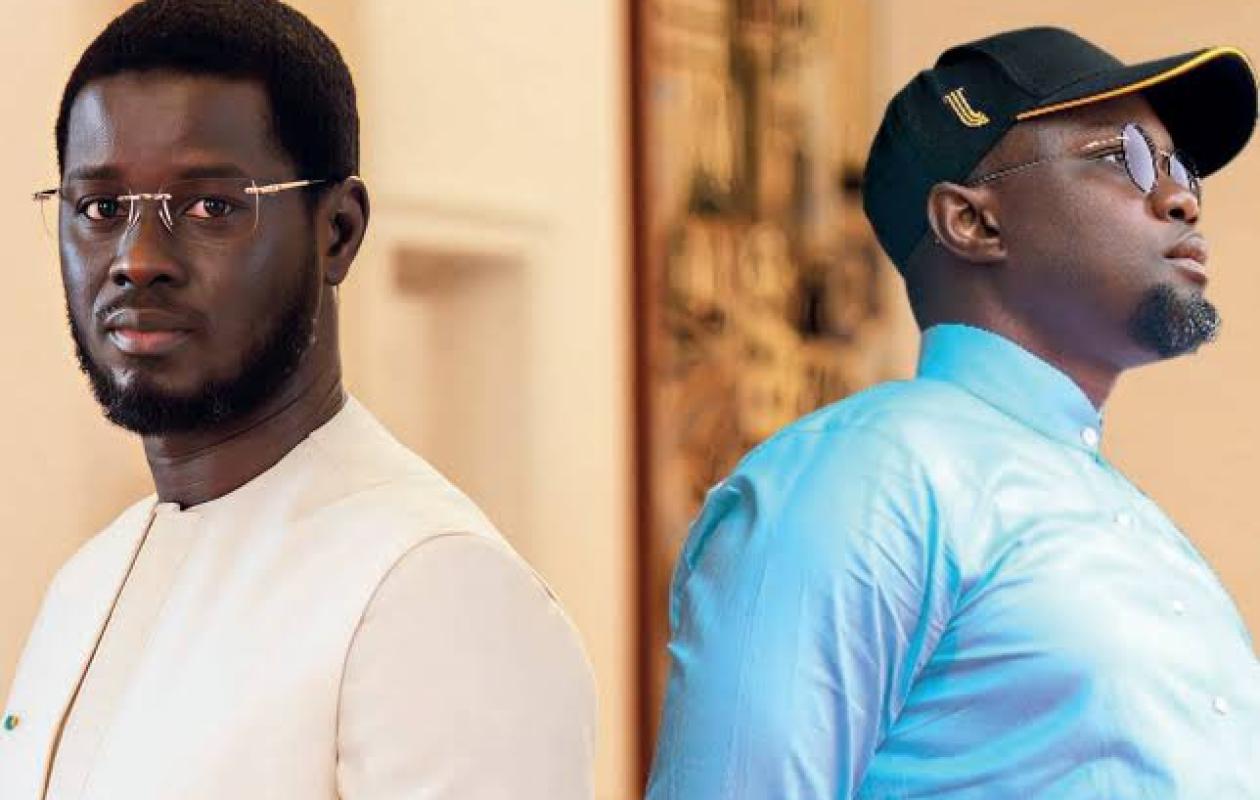
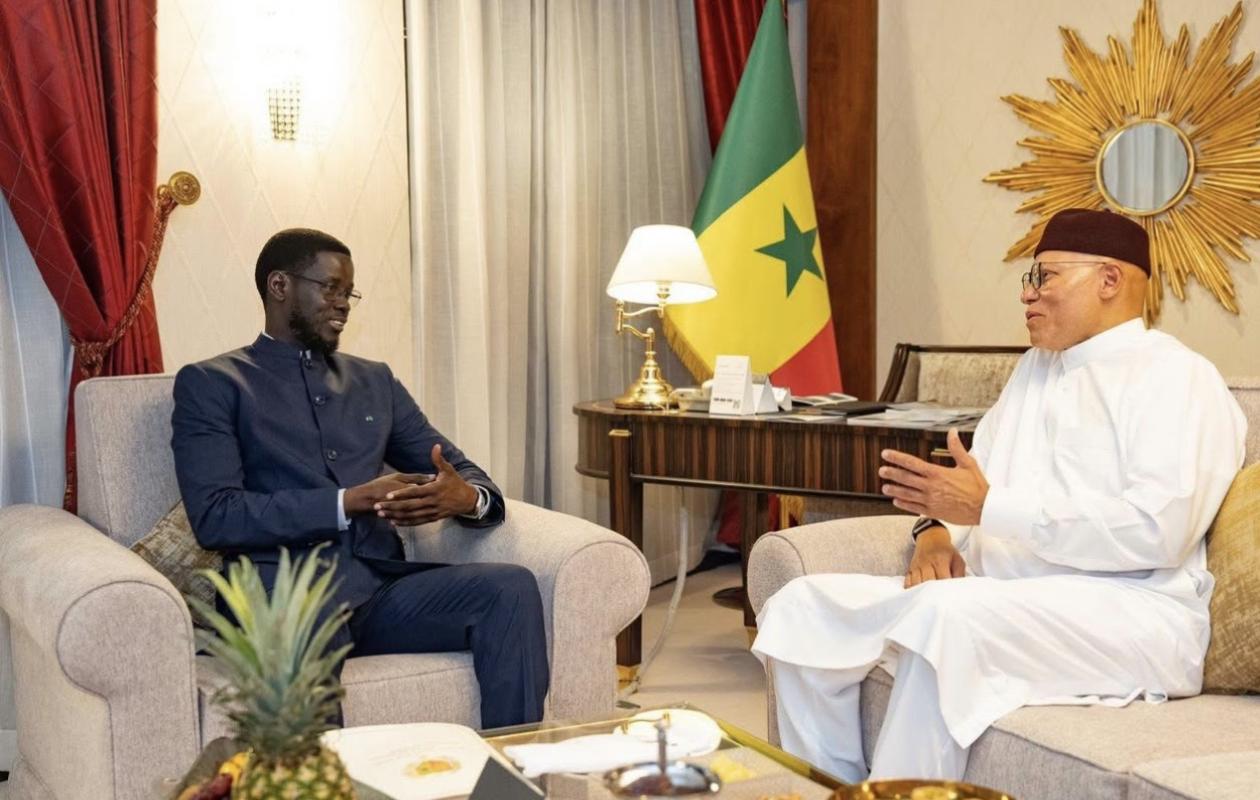
The creation of a political party of its own by President Faye has formalized a new architecture for the ruling coalition. It establishes an unprecedented configuration structured around two poles of influence.
On one side, the presidential bloc relies on the legitimacy of the election, the authority over the administration and the arbitration powers of the presidency.
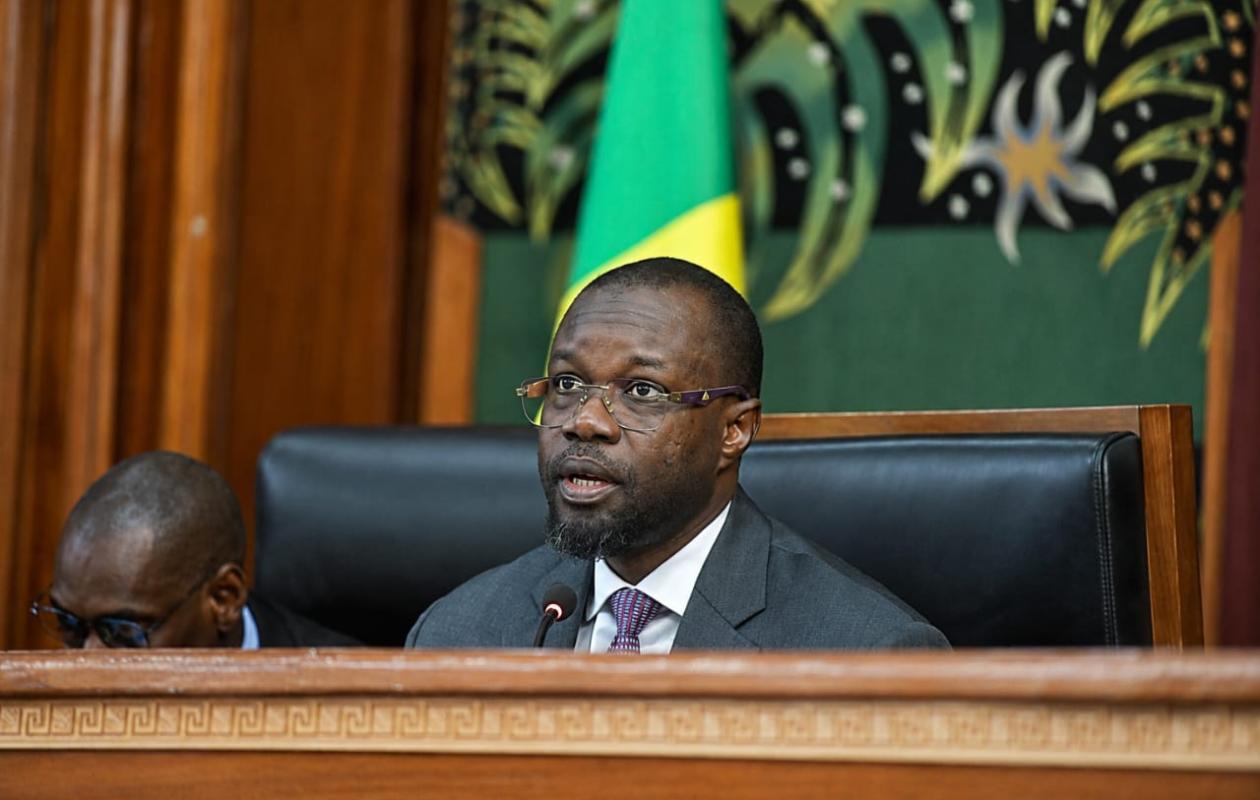
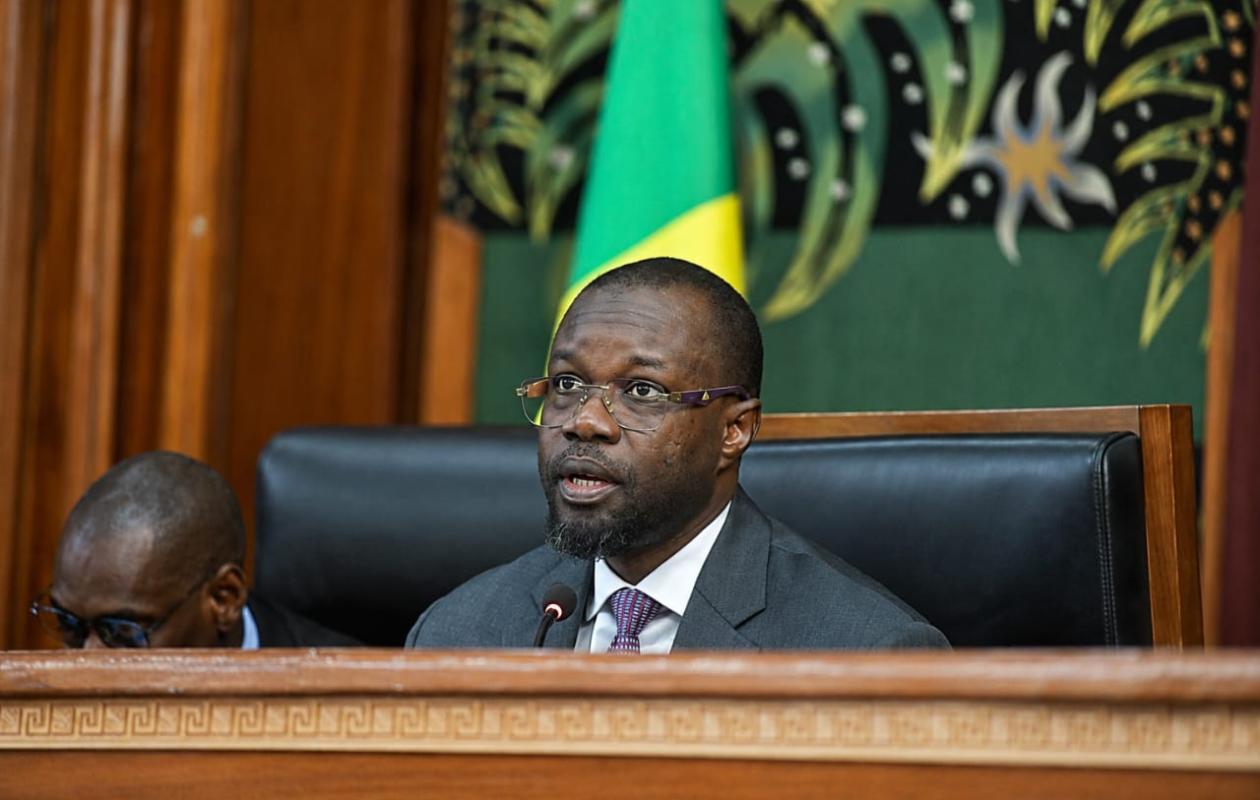
On the other hand, the parliamentary bloc remains led by Ousmane Sonko, leader of Pastef, who controls the majority in the National Assembly and has a solid electoral base.
This duality shifts the center of gravity of the State towards a permanent arbitration between the Executive and the Legislative, and slows down the implementation of initially common guidelines.
The Constitutional Council's ruling of July
2026: A Breaking Point
These differences crystallized at the end of June 2026. The National Assembly had adopted a text, put forward by Pastef, aimed at transferring important powers from the executive to Parliament in order to reduce the weight of the presidency.
On July 7, President Faye urgently referred the matter to the Constitutional Council. In its decision No. 6/C/2026 of July 9, 2026, the high court invalidated the constitutional revision law.
This sequence reveals a paradox: the executive branch used the mechanisms of the existing constitutional framework to block a reform originating from its own majority. The Constitutional Council's ruling thus maintains the traditional power structure in the face of legislative initiatives by the National Assembly. This has led to the rallying of the establishment and the withdrawal of civil society.
The realignment also affects opposition parties, starting with the Alliance for the Republic (APR) of former president Macky Sall. Several local elected officials and members of parliament from the former regime have joined the presidential majority, confirming the continued tendency to rally to the central government, beyond ideological divides.
At the same time, the policy of appointments in the senior administration raises questions about the actual application of the principles of meritocracy and calls for applications.
Faced with these developments, Senegalese civil society, which was highly mobilized during the crises of 2011 and 2024, demonstrates a more limited capacity for intervention. Often accused of bias by the various sides, its representatives struggle to exert an independent influence on the institutional debate.
The economic repercussions of the political deadlock
This dispute at the highest levels of government is causing concern in business circles and among the public. Repeated arbitration between the Presidency and the National Assembly is slowing down the implementation of structural reforms.
The operationalization of the national plan "Senegal Vision 2050", the fight against youth unemployment, the regulation of the cost of living and the attraction of foreign direct investment remain contingent on institutional stabilization.
As long as the legal framework allows the prerogatives of the State to be mobilized in the service of internal rivalries, the
The country's economic development will remain exposed to the vagaries of partisan strategies.
















Commentaires (6)
Participer à la Discussion
Règles de la communauté
💡 Astuce : Utilisez des emojis depuis votre téléphone ou le module emoji ci-dessous. Cliquez sur GIF pour ajouter un GIF animé. Collez un lien X/Twitter, TikTok ou Instagram pour l'afficher automatiquement.
Se connecter
Commentez avec votre profil, votre photo, et soyez averti des réponses.