Mission européenne du MUCTAT : deux ans de structuration pour accélérer l’investissement et la transformation des territoires
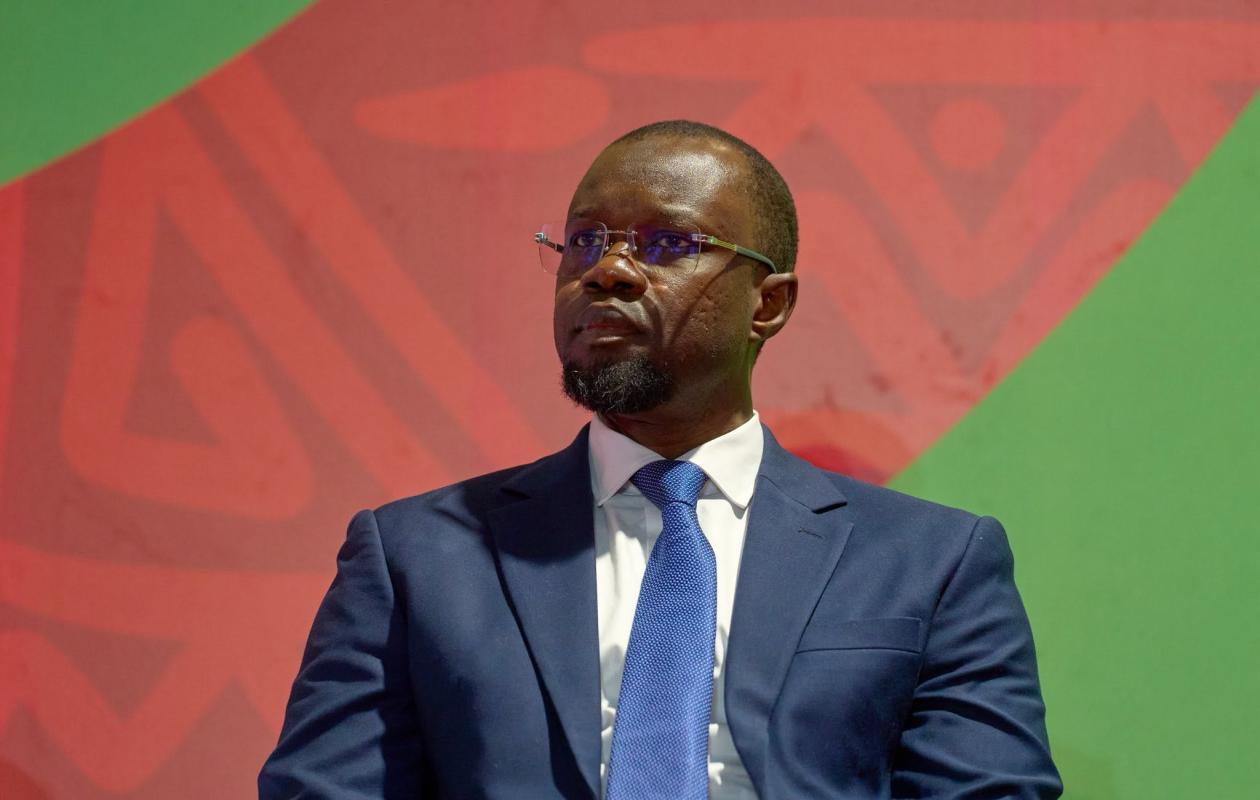
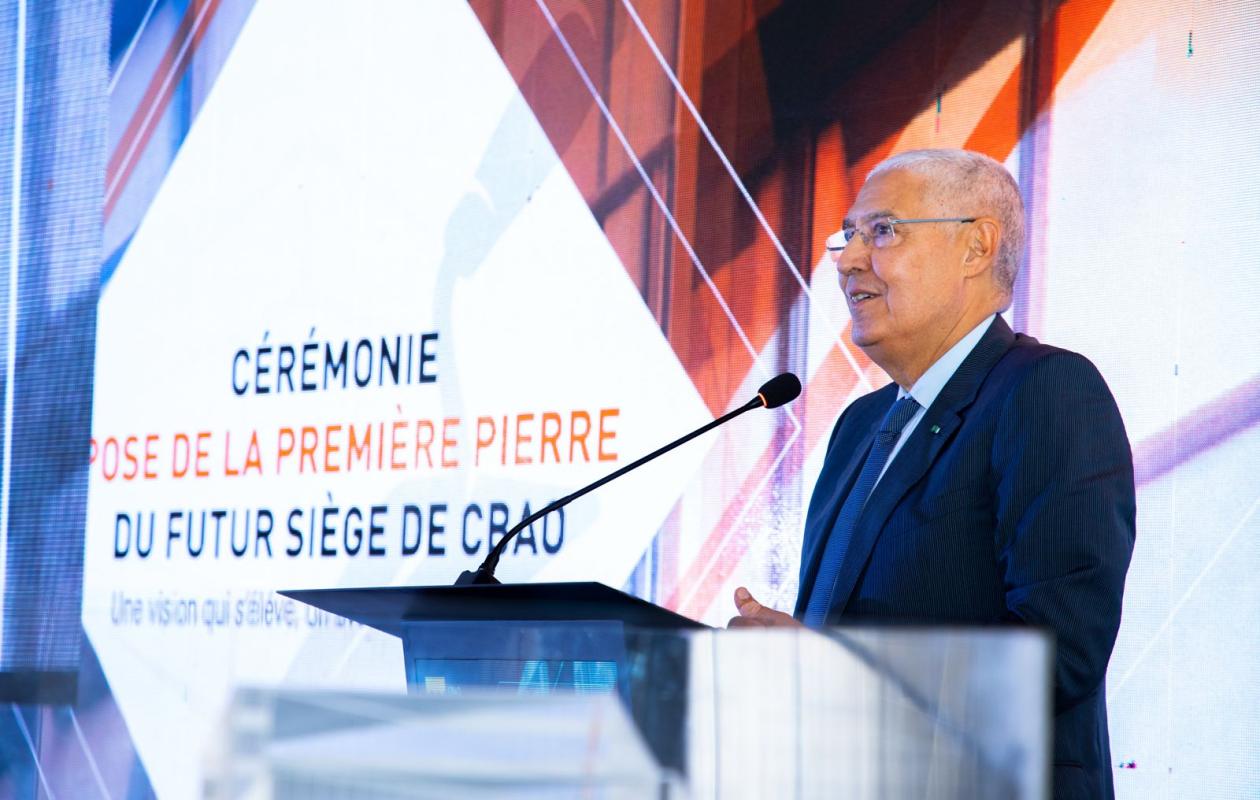
For the past two years, the Ministry of Urban Planning, Construction, Territories, and Development has been working on structuring a new financing and investment model for the urban and real estate sector, based on land mobilization, attracting foreign direct investment, developing partnerships with the private sector, and transforming territories. This dynamic is now gaining further momentum with the European mission led by Minister Moussa Bala Fofana from September 9 to 15, 2026, to Italy and France.
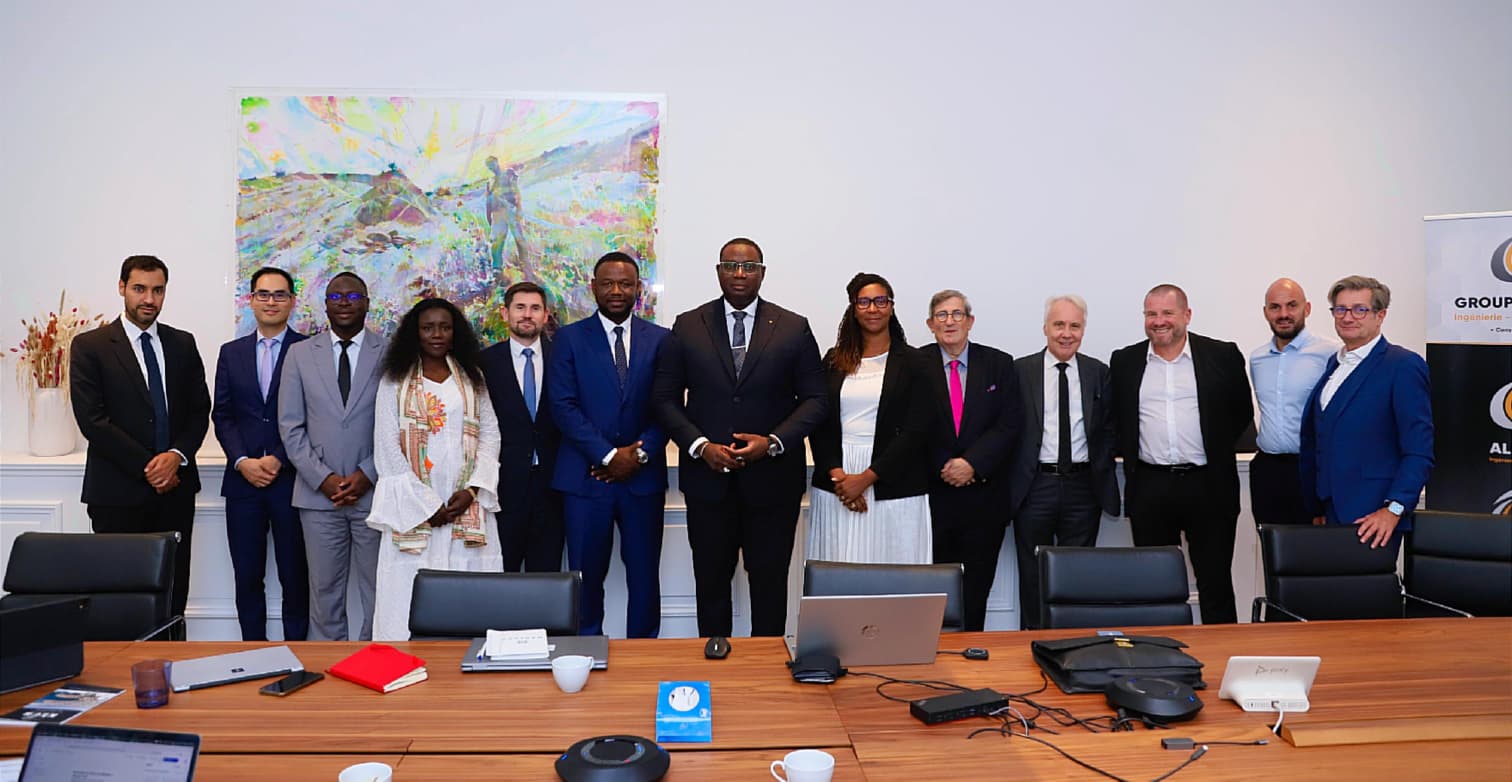
From Milan to Villeneuve-d'Ascq, and then to Paris, the Senegalese delegation met with investors, industrial groups, construction companies, technical experts, financial partners, researchers, and representatives of the diaspora. The objective is to mobilize international capital, skills, and technologies to support major projects in Senegal in the areas of housing, new cities, regional development hubs, urban restructuring, and the renewal of Dakar.
This European mission is part of a two-year initiative to create the conditions for increased private investment in the urban and real estate sector. The ministry is working in particular on structuring a real estate investment vehicle dedicated to urban restructuring, urban renewal, and the financing of affordable housing, with the aim of attracting more foreign direct investment and providing long-term support to the construction sector.
This approach is based on a strategy that combines land acquisition, project security, financial engineering, public-private partnerships, and the involvement of private operators. The goal is to create an environment that allows national and international investors to participate in major urban and territorial transformation projects.
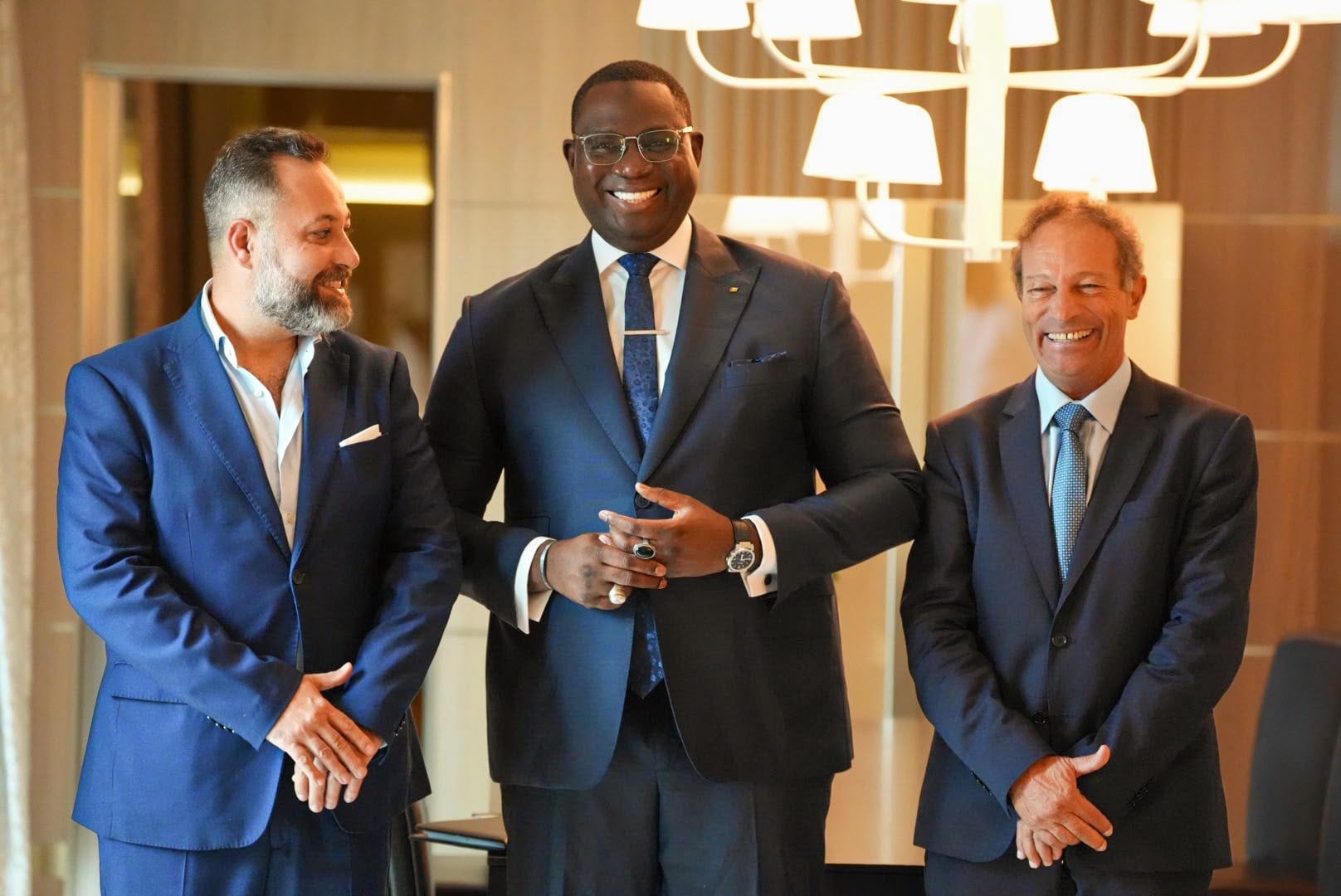
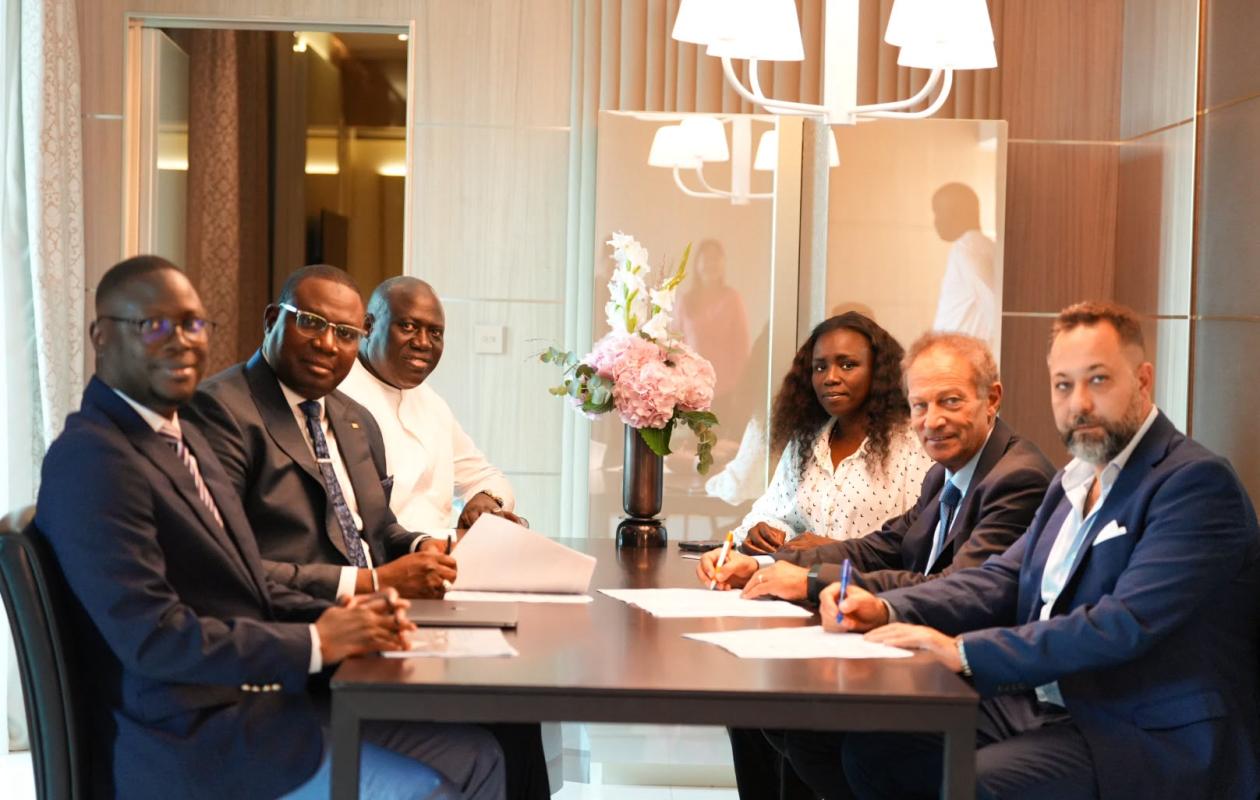
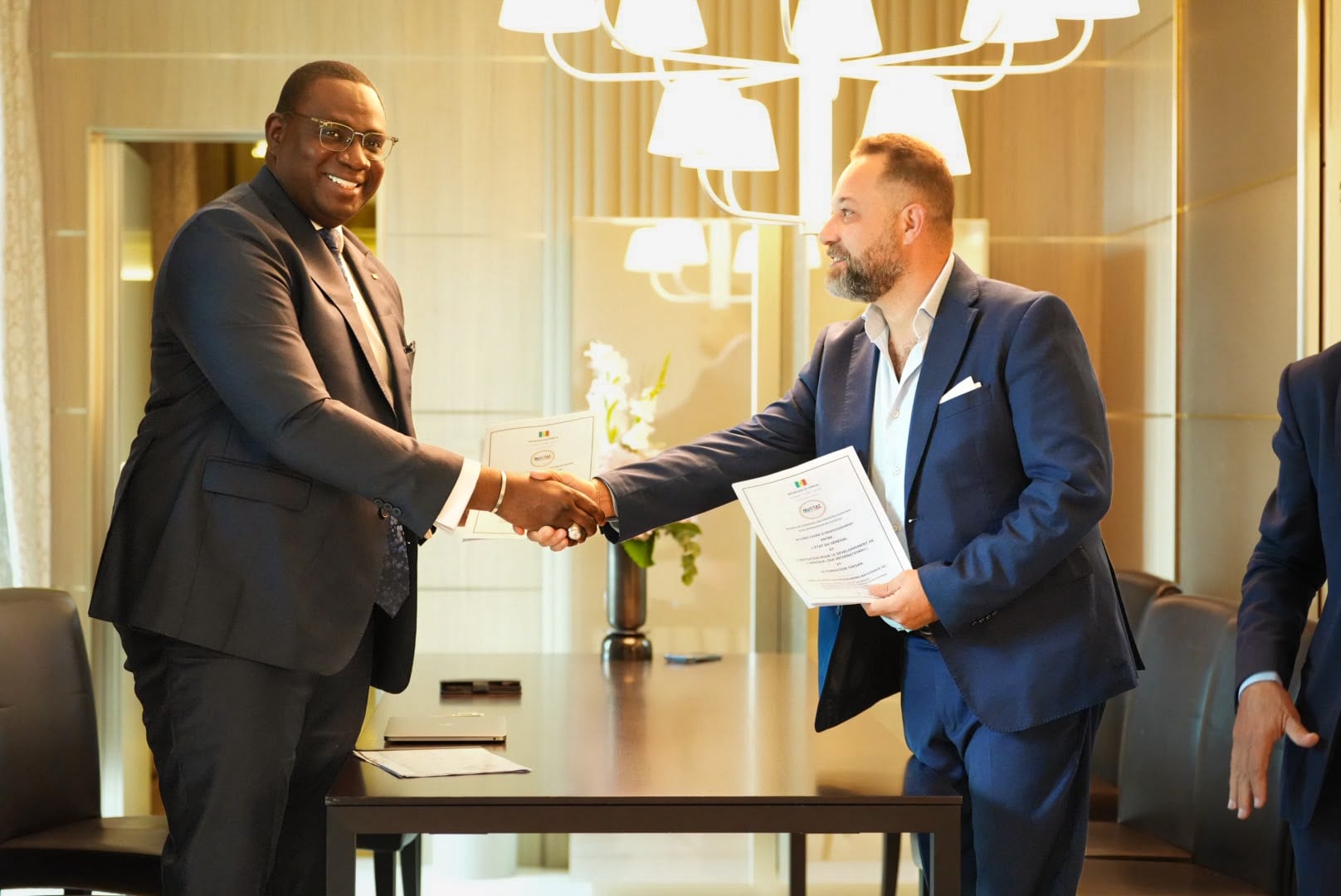
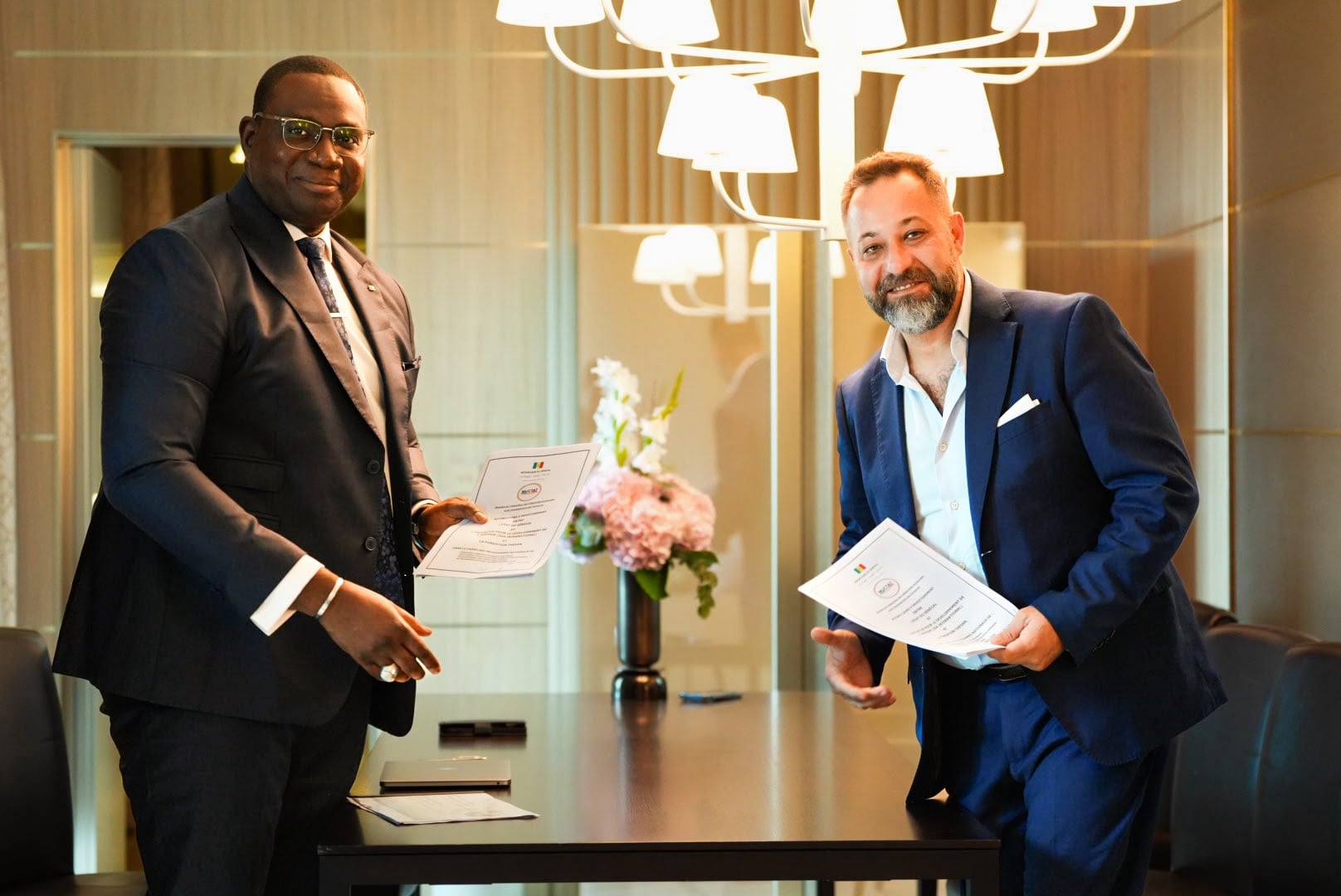
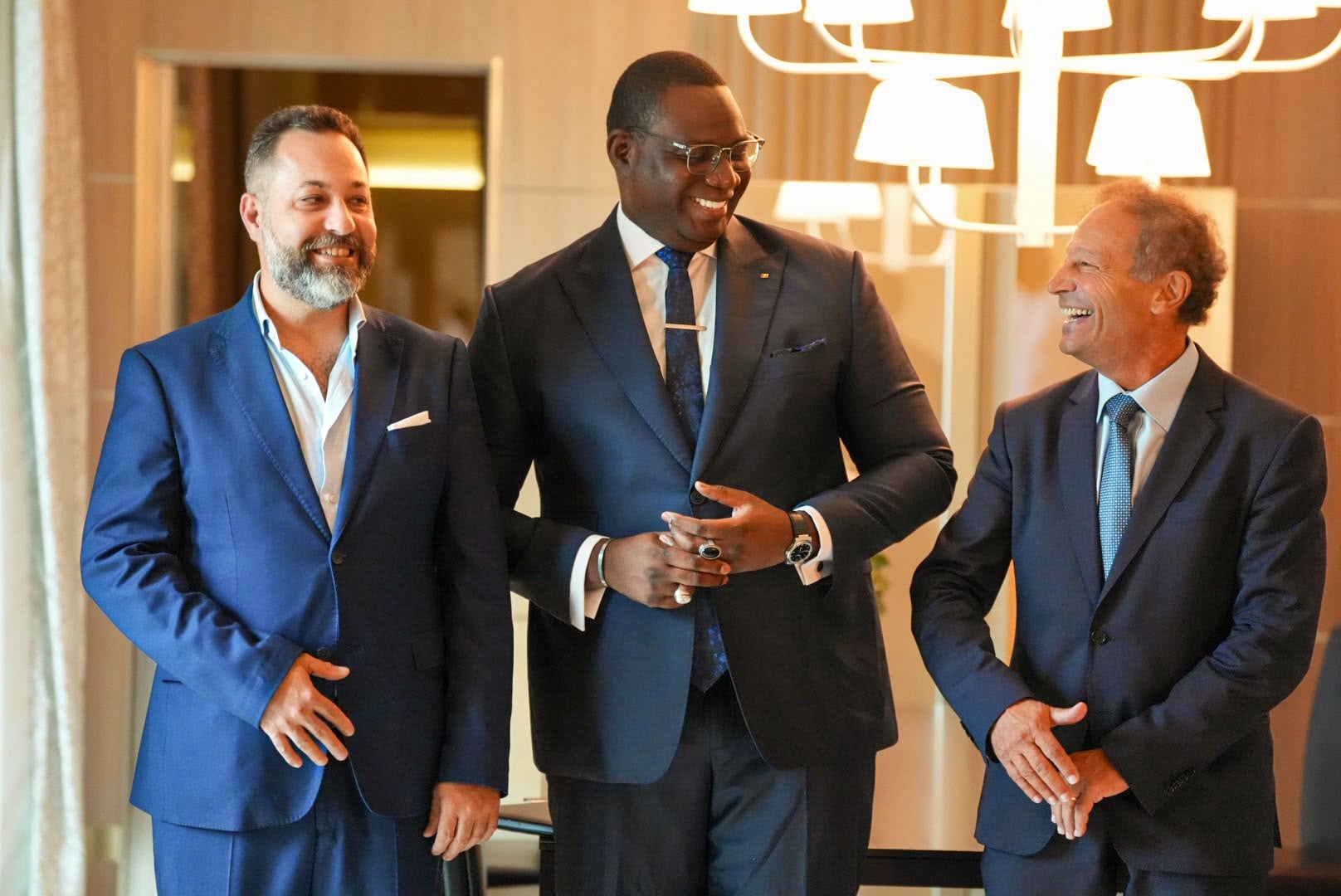
The first major event of the mission took place in Milan with the signing of an investment agreement between MUCTAT, the IDA International Group, and the THESAN Foundation, totaling €3.5 billion over seven years . A first pilot project of €50 million is to be launched immediately.
This envelope represents approximately 2.3 trillion FCFA and constitutes a major opportunity for mobilizing resources for urban and territorial projects. The financial structure relies in particular on mechanisms for tracking funds and on institutional guarantees designed to secure investments.
The Italian phase also broadened the circle of potential partners. Sicilian companies specializing in construction and materials expressed interest in the Senegalese market, particularly in investment, construction, supply of materials and training of local personnel.
Other opportunities have been opened up in real estate, scientific research, transportation, and the digitalization of land and taxation. The Italian mission has thus laid the foundations for a diverse network of partners involved in the ministry's projects.
To support this dynamic, Senegal is highlighting a territorial offer based in particular on land, infrastructure, housing, digital technology and the advantages granted to investors.
Some 35,000 hectares are thus mobilized, with 15,000 hectares intended for industrial zones and 20,000 hectares for housing , while the State plans a pre-financing model for infrastructure in the scheme proposed to partners.
This offer is accompanied by a digital platform dedicated to accessing housing, which already has more than 300,000 applicants . Its official launch is planned for October, at the SENHABITAT forum.
The goal is to bring supply and demand closer together, to facilitate access to housing and to create a clearer framework for operators and households.
The investment attraction strategy also relies on the eight territorial development hubs . These are intended to organize investment around the specific economic potential of each territory and to strengthen value creation outside of Dakar.
Rice production in Casamance, salt production in Kaolack, agribusiness in Diamniadio, and livestock farming in Matam are among the sectors highlighted. This territorial structure is complemented by the prospect of a ninth virtual hub dedicated to the diaspora , enabling Senegalese living abroad to contribute to the development of their respective regions.
This approach reflects a desire to make territories spaces for production, investment, employment and value creation.
On September 14, the Senegalese delegation visited the headquarters of the Auchan Group in Villeneuve-d'Ascq to exchange ideas with its management as well as with the teams from NHood and Projex.
Discussions focused on urban renewal, the restructuring of peripheral areas, the development of new towns, and mixed-use urban projects. From this perspective, the housing shortage represents significant potential for real estate and urban development.
Following these discussions, a team from NHood and Projex will travel to Senegal to assess opportunities and identify priority sites. A partnership agreement can then be formalized. The Senegalese delegation has also been invited to participate in the international investor meeting in Cannes in March 2027.
The final stage of the mission, in Paris, was devoted in particular to the Thiès eco-district project. Discussions with Groupe Alpha, Build Africa, Manergy and the NGE-TSO-SADE consortium focused on the technical, financial and operational aspects of the project.
The eco-district covers an overall urban area of 1,600 hectares and includes a first phase of 2,000 homes . The ambition is to develop an integrated district combining housing, infrastructure, mobility, energy, water management, green spaces and economic activities.
The objective is also to promote social diversity and break with the dormitory town model by bringing together housing, facilities, services and activities.
One of the innovations highlighted concerns the use of the local mortar "Teranga", (based on flint and phosphogypsum) which is presented as being able to reduce road and network costs by 75% .
The project also includes an urban cooling network combining industrial waste heat and solar photovoltaic energy. Water management relies on the reuse of treated wastewater for green spaces, market gardening, and fish farming.
These solutions should help make Thiès a demonstrator of a new generation of neighborhoods integrating economic performance, technical innovation and ecological transition.
The development of the new city is also planned in conjunction with mobility infrastructure. NGE-TSO-SADE is involved in water, roadworks and utilities, and civil engineering, while the Airport-Thiès rail link is integrated into the planning for the new city's development.
This approach aims to connect residential areas, activity hubs and major infrastructure in order to promote a more coherent urban organization.
In Paris, discussions also focused on the transformation of Dakar. MUCTAT intends to develop a strategy combining de-densification, re-naturalization, urban restructuring and reconstruction of degraded areas .
The Dakar peninsula, heavily built-up, needs to regain more open spaces through the creation of squares, promenades, playgrounds, and green areas. This approach should also help combat the urban heat island effect.
The strategy also concerns buildings threatening collapse and urban renewal operations in several districts of the capital and its periphery.
The Colobane restructuring pilot project illustrates this new approach to urban renewal. The "suspended building" concept involves constructing above the roadway to free up ground level for traffic flow. The upper levels would be dedicated to structured commercial spaces and social and community facilities.
The ambition is to reorganize commerce, free up public space and simultaneously improve mobility and the urban environment.
The success of these projects now depends on the ability to transform commitments into effectively mobilized funding.
For the Thiès eco-district, the plan includes pre-financing of infrastructure works (VRD) of between 50 and 100 billion CFA francs , based on a mechanism that relies primarily on the "buyer-pays" principle. Development costs are thus expected to be gradually recouped through sales and off-plan purchases. Discussions are also underway with the French Development Agency (AFD) and the World Bank to explore financing options related to the ecological and climate transition.
In this architecture, the creation of a Special Purpose Vehicle (SPV) should make it possible to group the land and assets of new towns into a dedicated project vehicle.
This mechanism should help to strengthen transparency, secure assets and facilitate the mobilization of investors and financial partners.
The timetable is now tight. The selection of the financial partner responsible for the pre-financing of the infrastructure works is planned between September and October 2026. The finalization of the institutional and financial arrangement is expected before the end of December, while the start of the first phase of the Thiès eco-district is scheduled for January 2027 .
After two years dedicated to structuring investment mechanisms and preparing projects, this deadline marks the expected transition from conception to implementation.
From Milan to Lille, and then to Paris, the European mission helped consolidate several key aspects of Senegal's urban and territorial strategy. In Milan, a seven-year, €3.5 billion investment agreement was signed with IDA International and the THESAN Foundation. In Lille, discussions with Auchan, NHood, and Projex opened up prospects for cooperation in urban development. In Paris, the Thiès project reached a new stage in its technical and financial structuring, while discussions on Dakar helped to clarify the guidelines for urban renewal.
This mission is part of a trajectory initiated two years ago and now geared towards implementation. With an overall objective of 110,000 homes , MUCTAT intends to continue mobilizing investors and manufacturers in Europe, the United States, and China.
The challenge now is to transform partnerships into projects, commitments into funding, and plans into concrete achievements on the ground.
“Focus on operational execution,” said Minister Moussa Bala Fofana at the close of the mission.










Commentaires (9)
et ce ministre on dirait un éléphant, ça se voit qu'il se subit pas la famine que vive les sénégalais de part leurs incompétences !
Participer à la Discussion
Règles de la communauté
💡 Astuce : Utilisez des emojis depuis votre téléphone ou le module emoji ci-dessous. Cliquez sur GIF pour ajouter un GIF animé. Collez un lien X/Twitter, TikTok ou Instagram pour l'afficher automatiquement.
Se connecter
Commentez avec votre profil, votre photo, et soyez averti des réponses.