
Ousmane Sonko qualifie une partie de la dette d’« odieuse » et appelle l'exécutif à demander son annulation
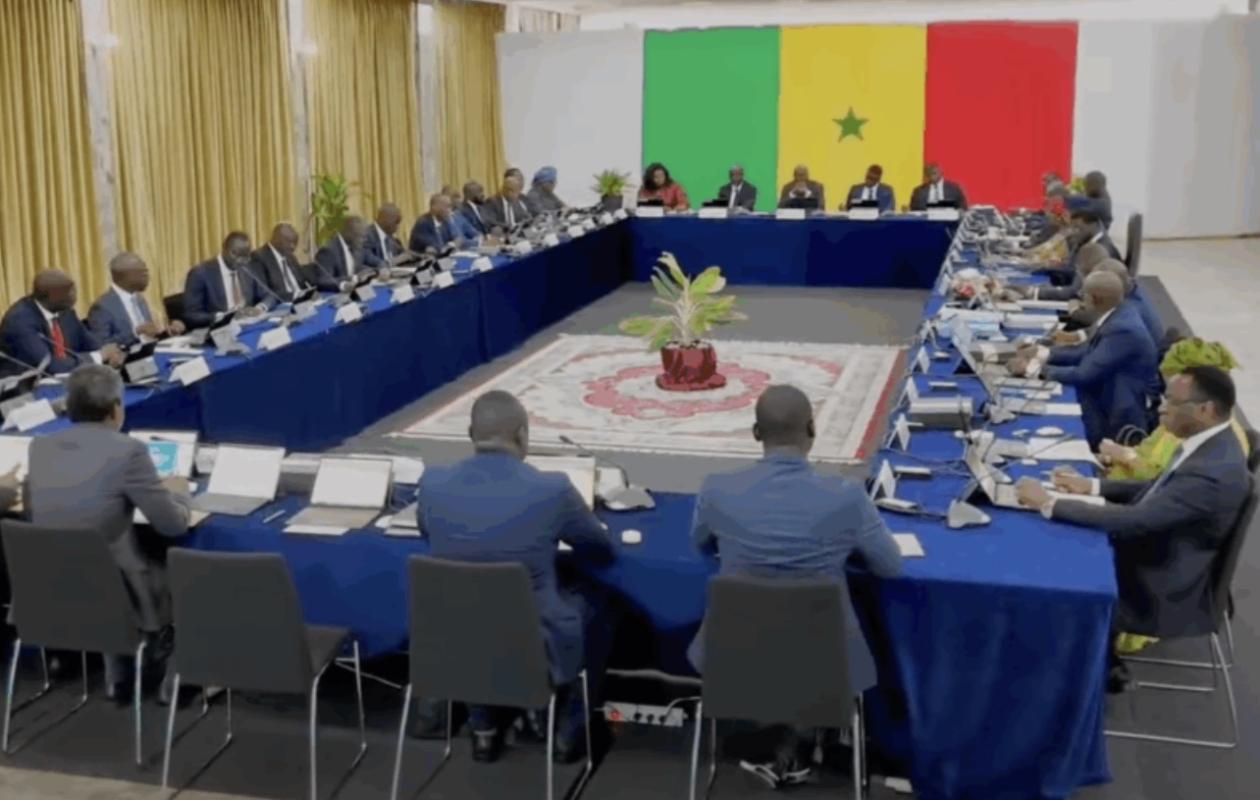
The debate on economic sovereignty and the management of Senegalese public finances is taking a doctrinal turn. Following his interview given on Monday, June 15, 2026, to RFI and France 24, the President of the National Assembly, Ousmane Sonko, directly challenged the legitimacy of financial commitments made under the previous regime. Drawing on theories of international law, the political leader asserted that a portion of Senegal's debt is "odious" because it bypassed parliamentary representation, and called on the new government of Al Amine Lo to demand its cancellation.
Beyond simple budgetary criticisms, the former Prime Minister chose to base his argument on international law and jurisprudence. He pointed out that there is a strong legal consensus allowing nations to challenge certain financial liabilities.
He thus laid out the foundations of his thinking: "Internationally, since the work of the economist Alexander Sack, it has been considered that when a debt has been contracted without the knowledge of the people and against their interests, this debt is odious and can be rejected."
For Sonko, this framework applies perfectly to a portion of the financial commitments that Senegal is currently carrying, pointing to serious shortcomings in the procedures for validating these loans.
Ousmane Sonko justified his position by denouncing the lack of transparency surrounding the signing of certain financing agreements in recent years. According to him, the Senegalese people are being forced to repay sums to which they never gave their consent, either directly or through their elected representatives.
“Part of this debt is indeed odious because it wasn’t even approved by the National Assembly,” he denounced. The Speaker of the Assembly continued his indictment, emphasizing: “Therefore, it was approved neither directly nor indirectly by the people. The procedures and mechanisms were not respected, and the Senegalese people must now bear the burden. This debt is indeed, in part, odious. It takes political courage to raise this issue.”
This stance is not new for the former tax and land inspector, who recalls having theorized this approach well before assuming institutional responsibilities. "I have had to speak on this subject on several occasions through my interventions, as a politician," he emphasized.
Pressed by journalists from RFI and France 24 on the reasons why this radical strategy was not implemented when he himself held the position of Prime Minister, Ousmane Sonko revealed profound internal decisions at the highest levels of the State:
RFI: "And why wasn't it done before?"
Ousmane Sonko: "It was proposed."
RFI: "But not selected?"
Ousmane Sonko: "No."
Now installed as Speaker of the National Assembly, the Pastef leader hopes the new government will be bolder in its dealings with international lenders. He concluded this economic section with a clear appeal: "I simply hope the current administration will take responsibility for moving in this direction and discuss the actual cancellation of part of the debt."












Commentaires (24)
Participer à la Discussion
Règles de la communauté
💡 Astuce : Utilisez des emojis depuis votre téléphone ou le module emoji ci-dessous. Cliquez sur GIF pour ajouter un GIF animé. Collez un lien X/Twitter, TikTok ou Instagram pour l'afficher automatiquement.
Se connecter
Commentez avec votre profil, votre photo, et soyez averti des réponses.