
Révision constitutionnelle : Thierno Bocoum épingle les « contre-vérités » des promoteurs et appelle le peuple à dire « NON »
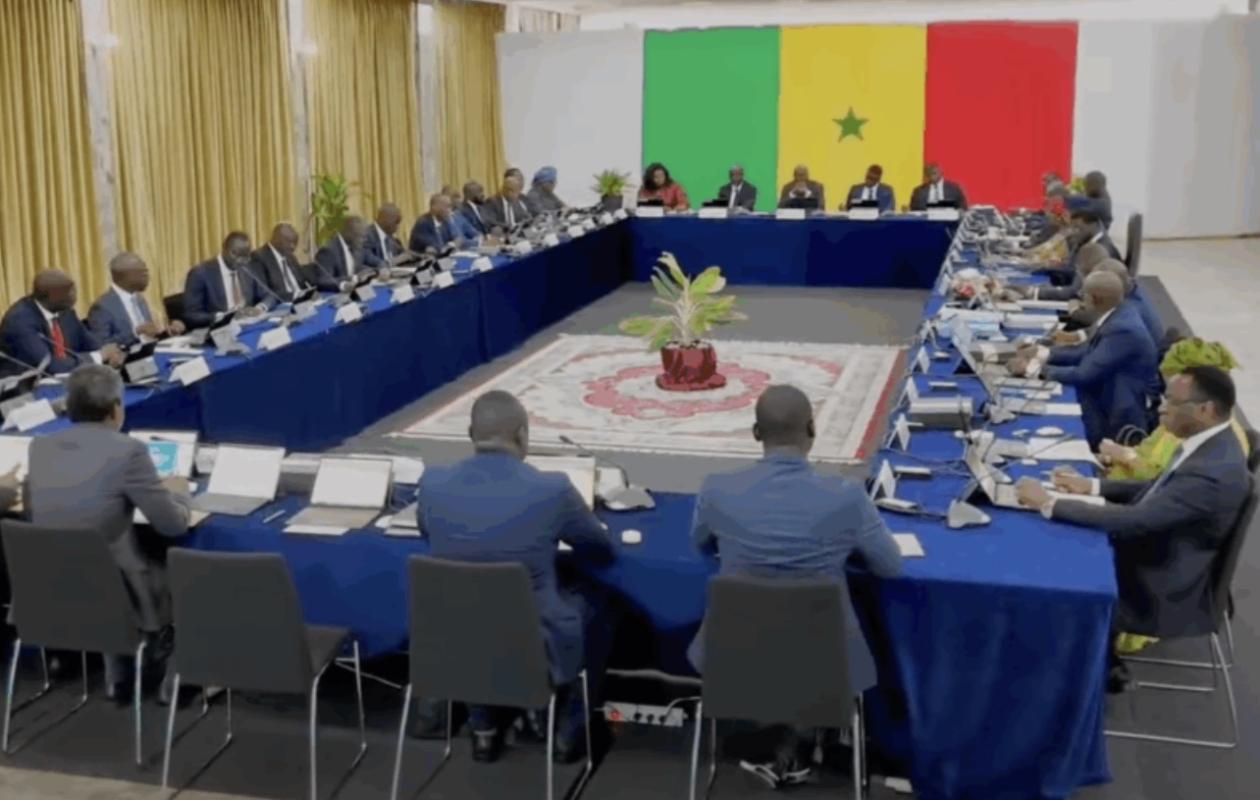
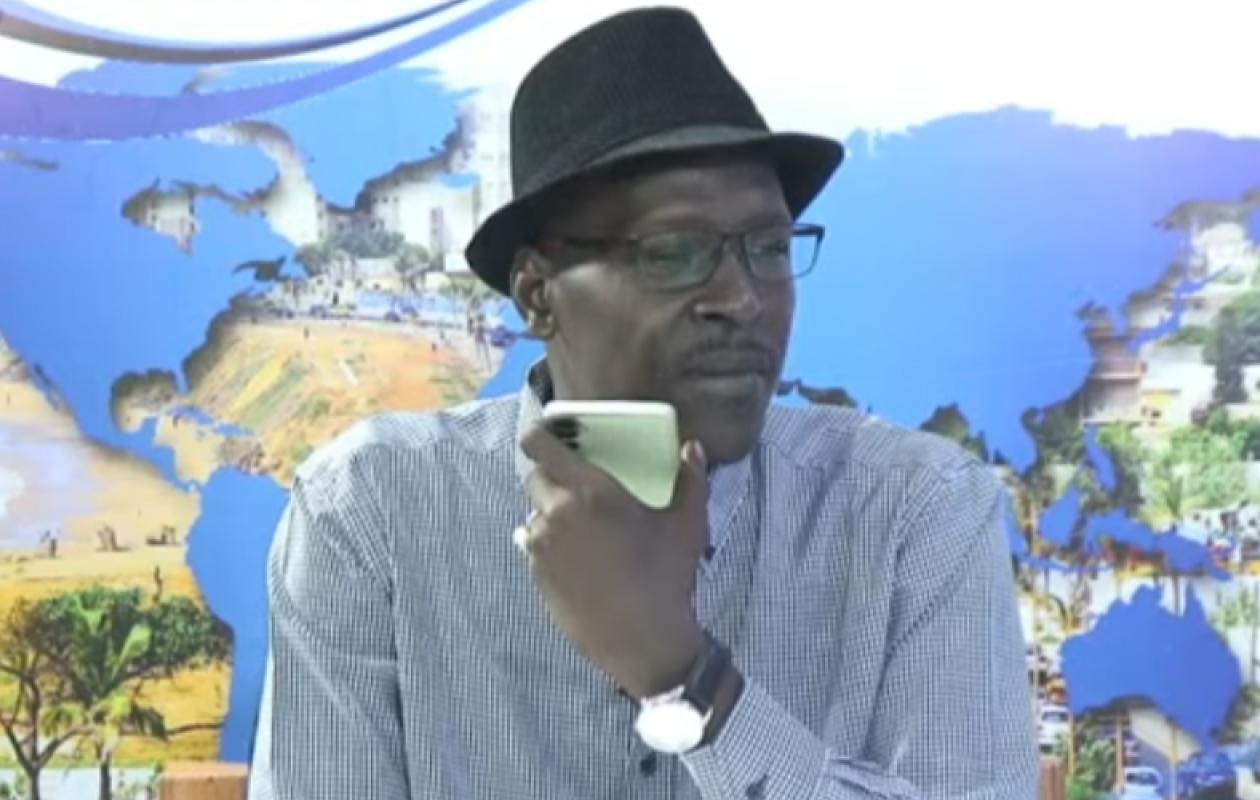
Amidst heightened political tensions surrounding draft law no. 17/2026, Thierno Bocoum, president of the AGIR-LES LEADERS movement, published a scathing analysis challenging the proposed reform of the constitution. The opposition leader immediately attacks the arguments of the bill's supporters, dismissing as "false" the claim that these reforms reflect Pastef's electoral promises. He points out that, on the contrary, "candidate Bassirou Diomaye Faye and Pastef proposed abolishing the position of Prime Minister and replacing it with a Vice-President of the Republic." According to him, "the Senegalese people were therefore never consulted on the transfer of new constitutional powers to the Prime Minister."
Thierno Bocoum also rejects the claim that the draft submitted to parliament is identical to the initial version: “The adopted text is not the one that was submitted for public consultation. Article 57, in particular, was not included in the preliminary draft published by the Government.” He emphasizes that the amendments made by parliamentarians have “substantially altered the composition and powers of the future Constitutional Court.” Finally, he disputes the consideration given to legal reservations, asserting that it is “inaccurate to claim that all the observations of the Constitutional Council were taken into account” since Article 4 was retained even though the Council had “expressly demanded its removal.”
To justify his call to reject the reform, the leader of the opposition structures his criticisms around three fundamental points. On the judicial front, he asserts that "this reform weakens the judiciary" by depriving the future Constitutional Court of its ability to oversee the internal actions of the National Assembly. He warns that by removing these oversight mechanisms, the majority is creating "a worrying institutional imbalance" by removing a portion of parliamentary operations from judicial scrutiny.
The most critical change, according to him, lies in the restructuring of the Executive branch: "This reform considerably strengthens the powers of a Prime Minister who is not elected." Thierno Bocoum is concerned about the head of government determining national policy in consultation with the President, being able to preside over the Council of Ministers by delegation, and even committing the Government's responsibility on the budget law. For the former parliamentarian, this profound transformation translates into "an unprecedented strengthening of the Prime Minister's constitutional position and a reduction in Parliament's means of oversight."
The final argument presented is purely financial and procedural. The opponent maintains that "this proposal is legally inadmissible" because the creation of a new Constitutional Court and the possibility of a referendum would entail significant public expenditures, without any financial compensation being provided. He cites in this regard a "particularly revealing admission" by the authors of the text, who themselves justified reducing the number of judges from nine to seven by the desire "not to increase the public burden." In conclusion, Thierno Bocoum calls on the people to reject this proposal, reminding them that a Constitution is "the common heritage of the Nation" and that citizens are entitled to oppose it when its stability is threatened.




















Commentaires (15)
Participer à la Discussion
Règles de la communauté
💡 Astuce : Utilisez des emojis depuis votre téléphone ou le module emoji ci-dessous. Cliquez sur GIF pour ajouter un GIF animé. Collez un lien X/Twitter, TikTok ou Instagram pour l'afficher automatiquement.
Se connecter
Commentez avec votre profil, votre photo, et soyez averti des réponses.