
Sécurité numérique : l’Assemblée nationale adopte à l’unanimité le projet de loi sur les infrastructures critiques
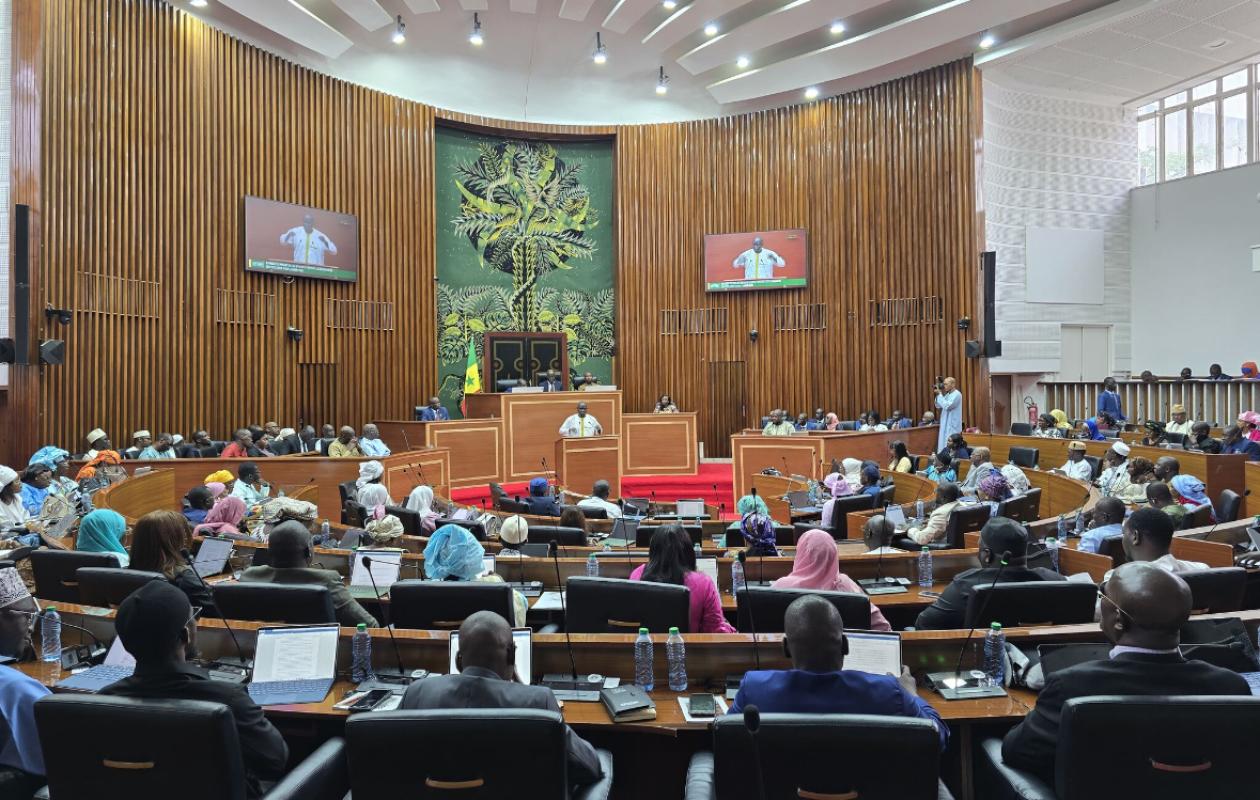
Senegal is strengthening its legal framework in the face of rising cyber threats. Meeting in plenary session, members of parliament unanimously adopted draft law no. 25/2026 concerning the protection of critical information infrastructure and digital security. Of the 165 registered members, 127 voted in favor of the text, including 15 by proxy. There were no votes against or abstentions. This vote reflects, beyond political divisions, a convergence around a strategic issue: protecting the infrastructure, data, and digital systems essential to the functioning of the State. Presented by the Minister of Telecommunications and Digital Affairs, Samba Diouf, and supported by the Minister of Communication, Bacary Sarr, the draft law aims to provide a comprehensive response to the evolving nature of cyberattacks and the threats to national digital infrastructure.
Protecting strategic infrastructure
One of the text's main contributions concerns the protection of critical information infrastructure. Facilities, systems, and platforms deemed essential to the country's security and operations benefit from enhanced protection, including provisions related to national defense secrecy. The objective is to reduce the vulnerability of strategic sectors to cyberattacks that could disrupt essential services or compromise sensitive information.
Artificial intelligence at the heart of new challenges
The text also takes into account the rapid evolution of digital technologies, particularly artificial intelligence. Rather than freezing the law around specific technologies, the framework is based on general security principles and technical standards that can evolve with innovations. This approach should allow the legal framework to remain adaptable to the emergence of new technologies and new forms of cyber threats, under the guidance of the National Cybersecurity Authority.
Data sovereignty as a priority
Another major aspect is the control of public and strategic data. The bill enshrines the principle of storing data considered sensitive for the State within the national territory. This approach reinforces the logic of digital sovereignty and gives particular importance to national hosting infrastructures, notably the Senegal Digital Data Center (SENUM). The new legislation is not limited to State infrastructure and systems. It also includes a section dedicated to the inclusion and protection of digital users. The Action Plan for the Protection of Children Online (PAPEL) is thus integrated into the framework. The text also provides guarantees of access and employment without discrimination for people with disabilities in the cybersecurity sector. With this unanimous adoption, Senegal is therefore taking a new step in building its digital sovereignty. Beyond strengthening the protection of critical infrastructure, the text lays the foundations for a framework designed to support the development of a genuine national cybersecurity economy and to strengthen the country's resilience to digital threats.





















Commentaires (0)
Participer à la Discussion
Règles de la communauté
💡 Astuce : Utilisez des emojis depuis votre téléphone ou le module emoji ci-dessous. Cliquez sur GIF pour ajouter un GIF animé. Collez un lien X/Twitter, TikTok ou Instagram pour l'afficher automatiquement.
Se connecter
Commentez avec votre profil, votre photo, et soyez averti des réponses.