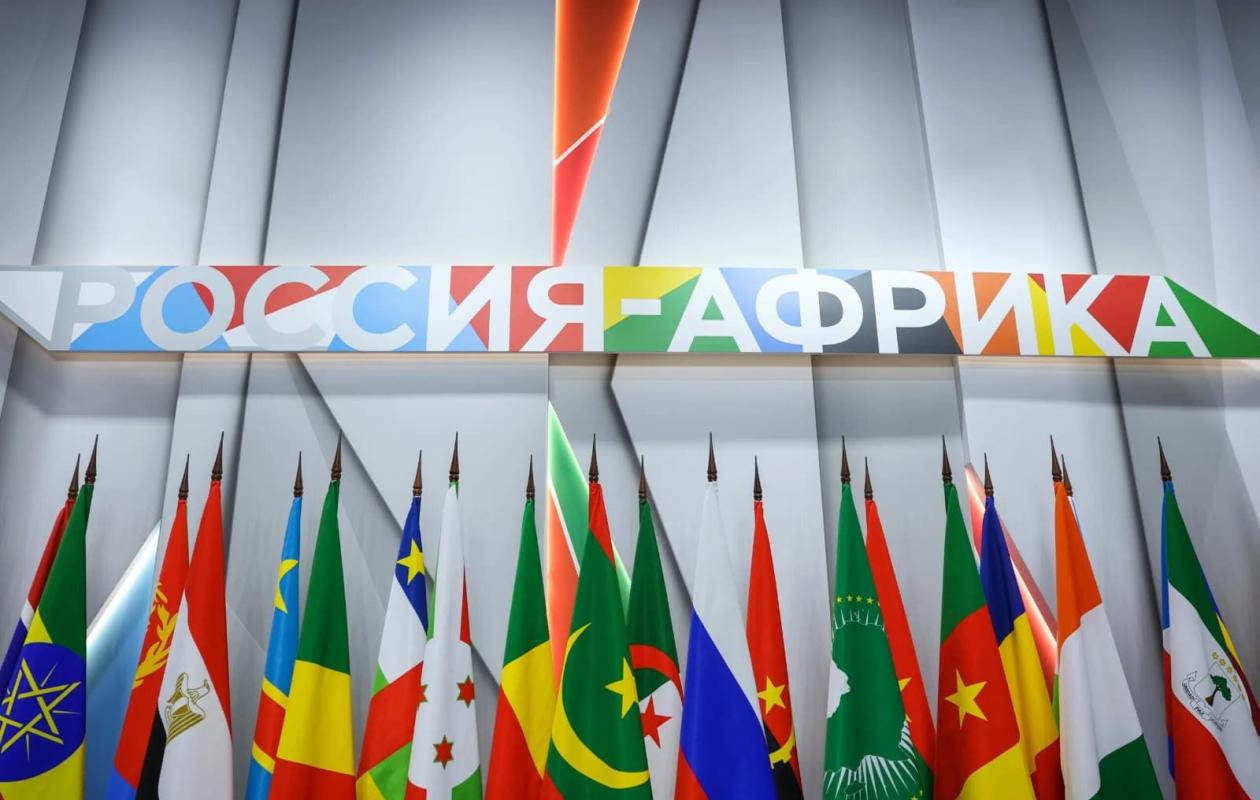
Sommet Russie–Afrique : le grand théâtre des promesses
Invited to the Moscow meeting on October 28 and 29, Senegal could explore new avenues for cooperation. However, these promises will need to be considered in light of Russia's financial capacity, especially given that the war in Ukraine is absorbing a significant portion of public resources.
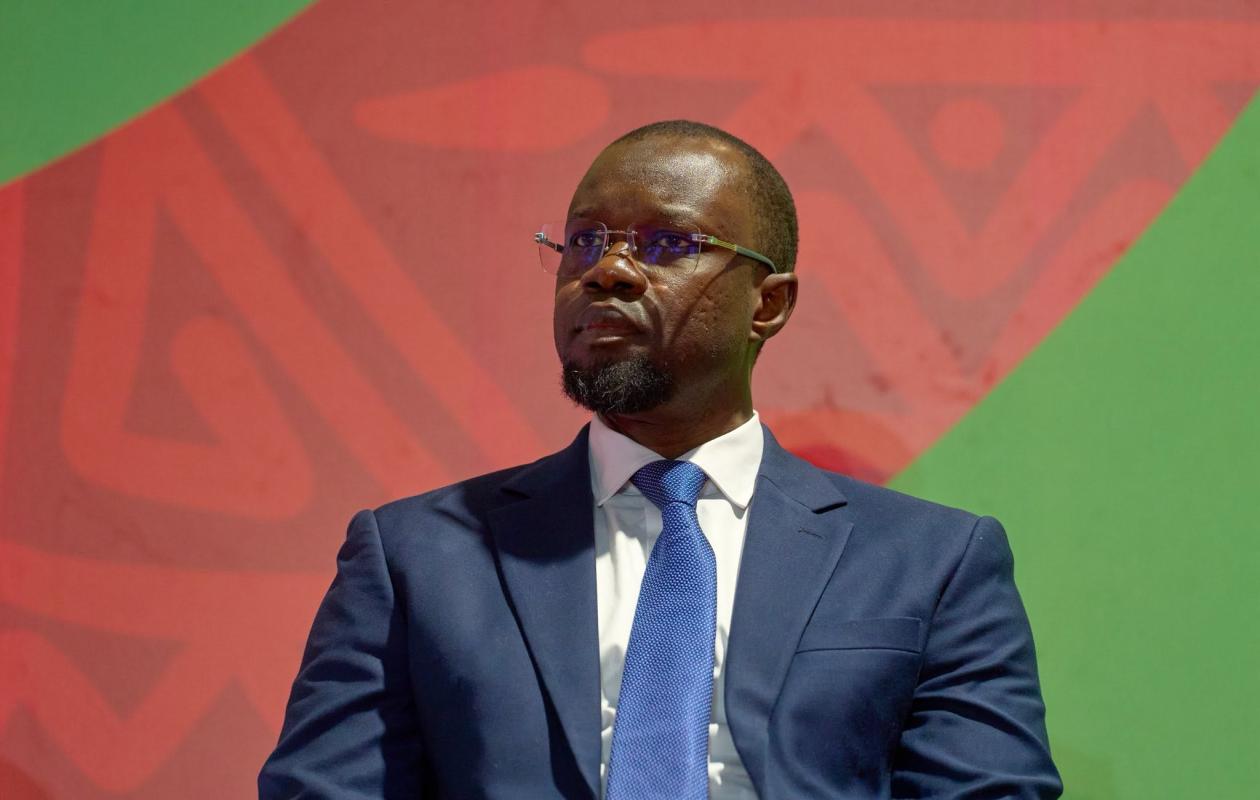
Investment, energy, industry, food security: the third Russia-Africa summit has ambitious economic goals. Sergey Lavrov invited Bassirou Diomaye Faye on September 24, but his participation has not yet been publicly confirmed. The flight restrictions regularly imposed on Moscow's four airports due to drone attacks also raise questions about the security conditions for a potential presidential visit. The Kalinka Russian Cultural Center has already announced a delegation of Senegalese entrepreneurs, without publicly specifying the companies or projects involved.
For Dakar, diversifying partners must primarily serve identifiable objectives: developing domestic production, processing more resources locally, and strengthening Senegalese skills. The number of agreements signed alone will not be enough to measure progress. Summit observers will therefore need to distinguish between political declarations, exploratory protocols, funded contracts, and investments actually committed. Adding these categories together in a single assessment would give a misleading picture of the economic impact.
Senegal already has solid achievements against which the new Russian proposals will be compared. Co-financed in particular by the European Investment Bank, through a €100 million loan, and by the African Development Bank, the Keur Momar Sarr 3 drinking water plant has helped improve the water supply for one million residents of Dakar. The bids submitted to Moscow will have to meet these same requirements in terms of services provided, cost, and sustainability.
The question of resources deserves particular attention. According to budget documents reviewed by Reuters, Moscow plans to spend $203 billion on defense in 2027. This amount exceeds previous projections for the same year by 27%. In her analysis published on October 2, economist Alexandra Prokopenko estimates that defense represents approximately 35% of planned federal spending for 2027. This proportion reaches 44% when homeland security and law enforcement are included.
Russian budget cuts are also affecting the civilian economy. Reuters reports that the "national economy" budget line, which includes infrastructure and sectoral support, is set to decrease by 7.4% in 2027. Allocations to education and health are also being reduced compared to the initial plan.
These figures do not demonstrate that Russia is incapable of financing worthwhile projects in Africa. Businesses, banks, and the state have distinct resources. However, they do show that the summit's announcements will come amidst strong competing priorities. Therefore, every promise should raise the same questions: who is financing it, with what funds, according to what timeline, and under what guarantees? A loan intended to purchase Russian equipment does not have the same impact as an investment developing local suppliers. For Senegal, these differences matter more than the stated amount.
The difficulties encountered by other partners of Moscow finally call for an examination of the concrete conditions of the agreements. On October 7, Russia was forced to cancel a shipment of 20,000 tons of sunflower oil to India after damage was sustained to Black Sea port infrastructure. In Bangladesh, sanctions hindering transactions with Russian banks are causing difficulties in loan repayments for the Roppur nuclear power plant. For our potential partnerships, verifying delivery and payment channels before committing will be essential.
On the other hand, Russia's diplomatic ambitions must also be considered in relation to its actual economic weight. In July 2024, the Senegalese Ministry of Industry and Trade pointed out that Russia contributed less than 1% to foreign direct investment in the country, and that more than 70% of Russian-African trade is concentrated in Egypt, Algeria, Morocco, and South Africa.
The summit must therefore be viewed beyond the Russian rhetoric on multipolarity, sovereignty, and solidarity with the Global South. These themes may resonate legitimately in Senegal, but they do not in themselves guarantee economic benefits. For Dakar, diversifying its partners implies maintaining the same high standards for each: accessible financing,
sustainable jobs, transferred skills and added value retained in the country.
The autonomy that Senegal claims is also measured by its ability to decline an offer whose benefits would not live up to the commitments demanded.












Commentaires (6)
Le président Ibrahima Keîta a fait modifier le programme scolaire du Burkina. Surtout l'histoire et la géographie ne seront plus celles qui étaient enseignées. Le résultat en sera que d'ici quelques années, je peux jurer que le Burkina produira moins de Madiambal, moins de Macky Sall, que le Sénégal.
Participer à la Discussion
Règles de la communauté
💡 Astuce : Utilisez des emojis depuis votre téléphone ou le module emoji ci-dessous. Cliquez sur GIF pour ajouter un GIF animé. Collez un lien X/Twitter, TikTok ou Instagram pour l'afficher automatiquement.
Se connecter
Commentez avec votre profil, votre photo, et soyez averti des réponses.