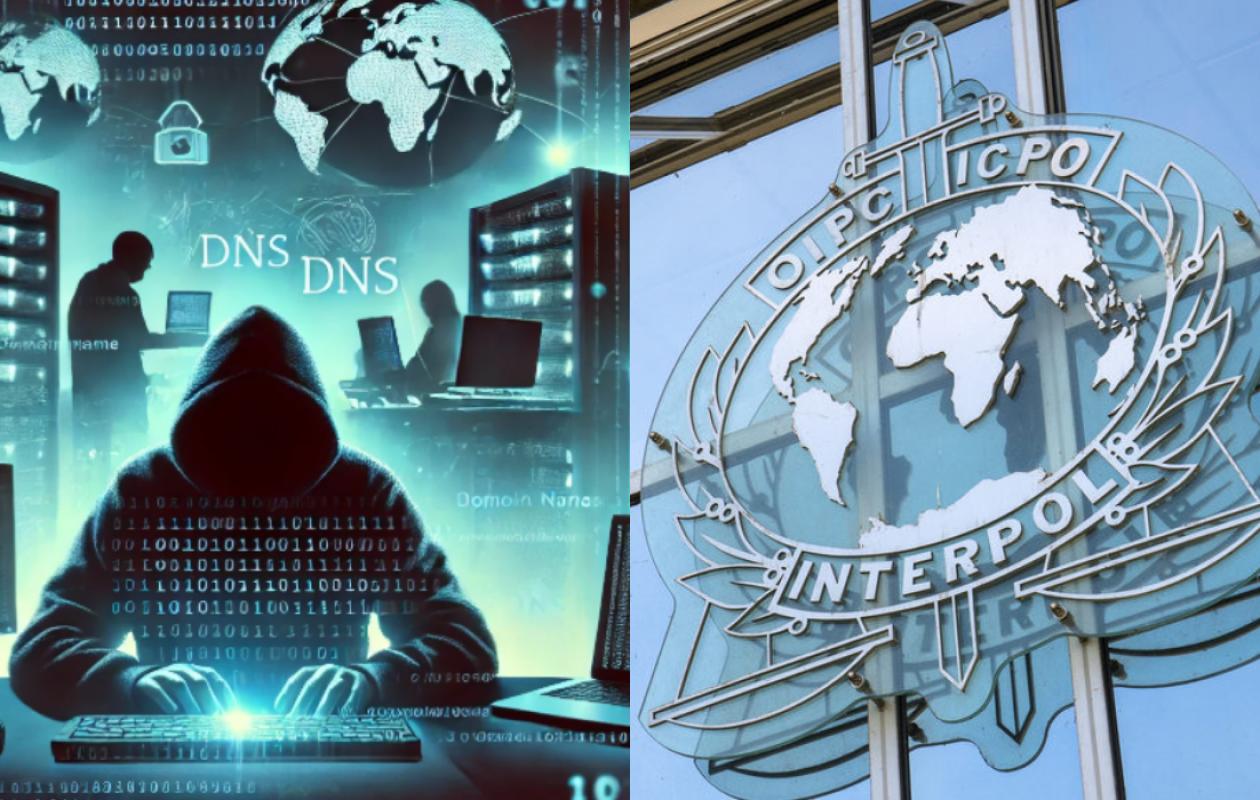
Cyberattaques au Sénégal : Interpol tire la sonnette d'alarme et révèle (Rapport)
Interpol has just published its 2026 report on cyber threats in Africa. The international criminal police organization warns of an increase in the risks associated with ransomware, supply chain compromises, and data breaches.
According to the report, Senegal is among the African countries most exposed to these threats. Interpol indicates that ransomware attacks have been particularly frequent in South Africa, Nigeria, Namibia, Senegal, and Zambia.
"Cybercriminals are increasingly targeting healthcare facilities, public service providers and government service platforms in order to maximize disruption and extortion opportunities," the organization emphasizes in its report reviewed by Seneweb.
An attempt to embezzle $7.9 million from an oil company in Senegal
Interpol has revealed, in particular, an attempted fraud involving an infrastructure based in Senegal. The operation targeted an oil company and aimed to divert $7.9 million. However, authorities managed to freeze the intended bank account, thus preventing the transfer of funds.
For Interpol, this case illustrates the transnational nature of these criminal networks. "This operation highlighted the transnational nature of these schemes, with malicious actors based in Africa orchestrating frauds against targets located in Europe and North America using infrastructures spread across several jurisdictions," the report notes.
The organization also describes a now well-established modus operandi. Cybercriminals begin by identifying payroll or purchasing managers within companies. They then compromise their accounts through phishing campaigns or credential stuffing techniques.
"Emails generated by artificial intelligence are then sent to financial services impersonating senior executives, often accompanied by urgent requests to 'correct' bank details for a payment," explains Interpol.
The organization also points out that the use of free email services, such as Gmail and Outlook, makes it easier to bypass domain spoofing detection mechanisms, making traditional email security systems less and less effective.
The human factor, the main weakness
According to Interpol, the financial consequences of these attacks are exacerbated by insufficient information sharing among the actors involved. Despite progress made by banks and fintechs in fraud detection, cross-border cooperation between financial institutions, telecommunications operators, and investigative services remains slow and bureaucratic.
The organization also warns against networks of "money mules", often recruited through fake job offers, which continue to operate in countries where anti-money laundering (AML) measures remain insufficiently enforced.
For Interpol, the main vulnerability lies at the intersection of digital trust and human behavior. As artificial intelligence improves the realism of identity theft, the human factor remains the weakest link—and the most difficult to protect.
Faced with these threats, several African countries are strengthening their cybersecurity measures. Angola has adopted a National Cybersecurity Strategy and created a National Cybersecurity Center. Senegal, for its part, has launched its "digital sovereignty" initiative, mobilizing $24 million to modernize its digital platforms and combat cyberbullying.
"These legislative advances reflect a growing awareness of cyber risks, but their implementation is now the major challenge," Interpol concludes.




















Commentaires (3)
Participer à la Discussion
Règles de la communauté
💡 Astuce : Utilisez des emojis depuis votre téléphone ou le module emoji ci-dessous. Cliquez sur GIF pour ajouter un GIF animé. Collez un lien X/Twitter, TikTok ou Instagram pour l'afficher automatiquement.
Se connecter
Commentez avec votre profil, votre photo, et soyez averti des réponses.