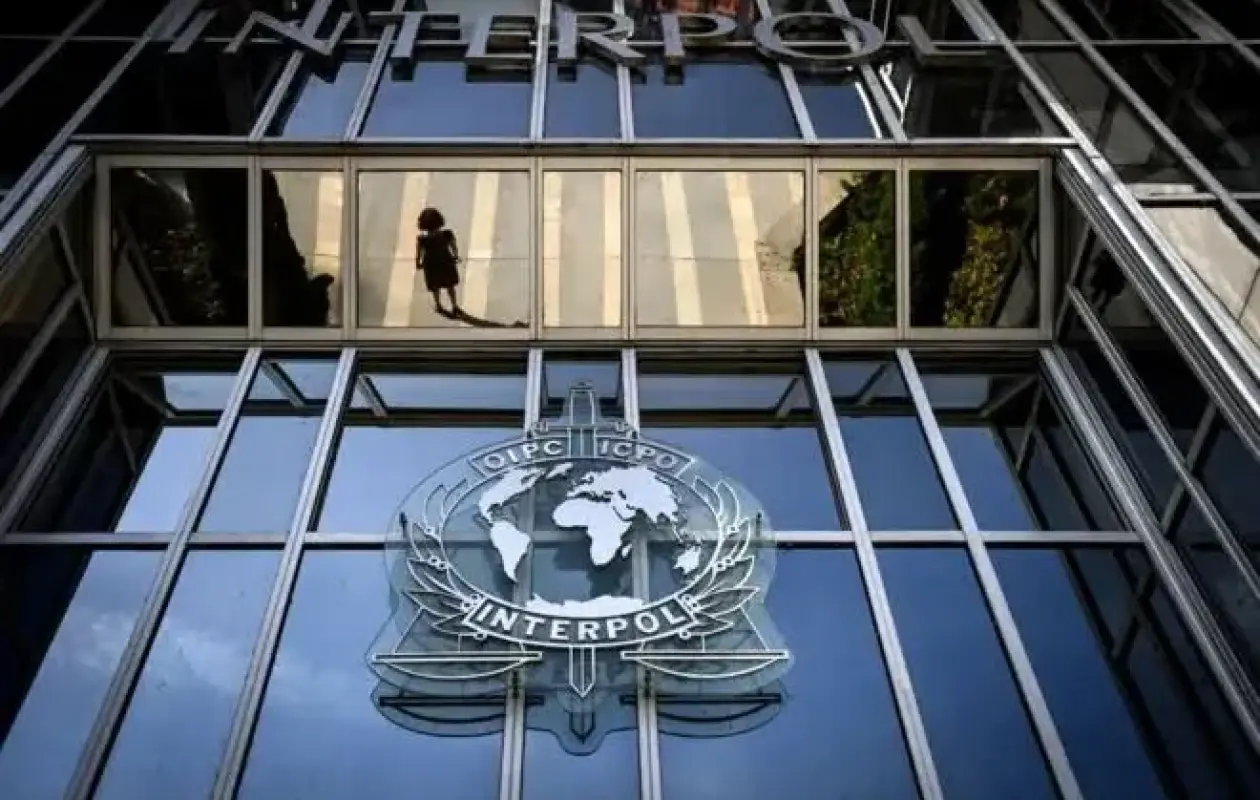
De Lyon à Dakar : Comment les informations criminelles circulent en temps réel à travers le globe
When someone is the subject of an Interpol Red Notice, many people imagine that a kind of global police force is tasked with finding and arresting them. The reality is quite different. Interpol has neither agents to conduct investigations on the ground, nor the power of arrest, nor its own judicial jurisdiction. Its role is of a different nature. The organization facilitates cooperation between the police forces of its member countries so that information can flow quickly when an investigation crosses national borders.
Founded in 1923 and headquartered in Lyon, France, Interpol now comprises 196 member countries, making it the world's largest police cooperation organization. Each member state retains full responsibility for its investigations, prosecutions, and arrests. Interpol never acts in place of national authorities.
Its main tool is the exchange of information. According to Interpol, its secure communication network, called I-24/7, links the police services of the 196 member countries and allows the consultation or transmission in real time of information relating to wanted persons, stolen travel documents, vehicles, firearms, fingerprints, DNA profiles or even stolen works of art.
The organization also manages several international databases. According to Interpol, these currently contain more than 140 million records, which are consulted billions of times each year by police forces, border control authorities, and certain specialized agencies. This information makes it possible, for example, to check whether a passport presented at a border crossing has been reported stolen in another country or whether a wanted vehicle is being driven with a new license plate.
The famous notices constitute another pillar of its activity. The best known is the red notice, often mistakenly presented as an international arrest warrant. In reality, it is a request addressed to member states asking them to locate a wanted person for possible provisional arrest, in accordance with their own legislation. Each country remains free to decide how to act on this request.
Interpol issues several other categories of notices. Blue notices are used to gather information on an individual, yellow notices primarily concern missing persons, while black notices are used to identify unidentified bodies. There are also orange notices to signal imminent danger, green notices concerning individuals who may pose a threat in several countries, and purple notices for sharing information on the methods used by criminal organizations.
The organization is playing an increasingly active role in the fight against financial crime. Money laundering, online scams, ransomware, bank fraud, crypto-assets used for criminal purposes, and cybercrime are now consuming a growing share of its resources. According to Interpol, losses related to cyber scams now amount to hundreds of billions of dollars worldwide, which explains the strengthening of cooperation between specialized agencies.
Africa participates fully in this system. Each of the 54 African member countries has a National Central Bureau, generally attached to the police services or the Ministries of the Interior. These bureaus maintain permanent liaison with the Interpol General Secretariat and with other member states when an investigation has an international dimension.
Senegal hosts one of these National Central Bureaus. Senegalese authorities regularly collaborate with Interpol on cases related to drug trafficking, human trafficking, terrorism, cybercrime, and the trafficking of stolen vehicles. These exchanges allow for the rapid acquisition of information from other jurisdictions without the need for lengthy diplomatic procedures.
Interpol also organizes targeted international operations. In 2024, Operation Serengeti, conducted in several African countries with the support of Afripol, led, according to Interpol, to the arrest of more than 1,000 people suspected of involvement in cybercrime networks and the identification of thousands of victims of digital fraud. The organization also coordinates operations against the trafficking of counterfeit medicines, the illegal trade in protected species, arms trafficking, and smuggling networks.
Its scope of action, however, remains strictly defined. Interpol's Constitution prohibits the organization from intervening in cases of a political, military, religious, or racial nature. This rule aims to preserve its neutrality and prevent police cooperation mechanisms from being used to prosecute political opponents or serve interests unrelated to the fight against ordinary crime.
This neutrality is nevertheless subject to constant vigilance. In recent years, several human rights organizations have denounced attempts by certain states to misuse Red Notices. Interpol has strengthened its control procedures and now has a Files Control Commission, responsible for examining appeals filed by individuals who believe they have been wrongly included in its databases.
Interpol, therefore, does not resemble an international police force with operational powers. Its effectiveness relies on a different mechanism. By facilitating the rapid flow of information between nearly two hundred countries, the organization enables investigations to track criminal networks as they cross borders. In a context where organized crime, illicit financial flows, and cybercrime are becoming increasingly global, this cooperation has become an essential element of international security.




















Commentaires (0)
Participer à la Discussion
Règles de la communauté
💡 Astuce : Utilisez des emojis depuis votre téléphone ou le module emoji ci-dessous. Cliquez sur GIF pour ajouter un GIF animé. Collez un lien X/Twitter, TikTok ou Instagram pour l'afficher automatiquement.
Se connecter
Commentez avec votre profil, votre photo, et soyez averti des réponses.