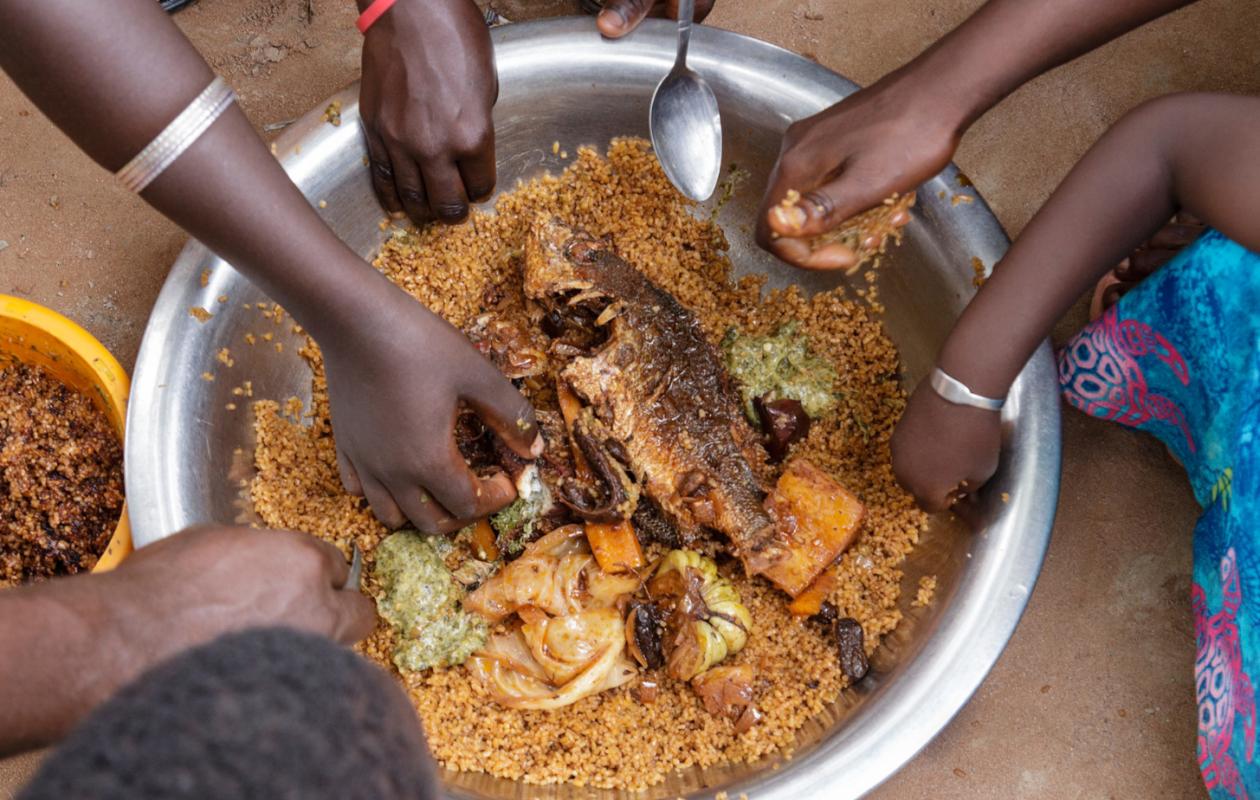
"Ils essaient de vendre leurs avoirs..." : Alerte sur près de 7000 personnes en proie à l’insécurité alimentaire à Salémata
The food situation is deteriorating in the Salémata department. Nearly 7,000 people are affected by food insecurity. Faced with this situation, the head of the regional food security office in Kédougou, Samuel Boubane, is sounding the alarm.
The warning had been issued. The situation is now confirmed. In Salémata, food insecurity is taking a worrying turn. As early as February, the first analyses of the Harmonized Framework had identified risks of pockets of food insecurity forming in the department.
A few months later, concerns intensified. For Samuel Boubane, head of the regional food security office in Kédougou, it was already clear that households risked falling into a difficult situation if no intervention was undertaken.
"The level of food insecurity in the department of Salémata is worrying. As early as February, we had already warned of the risk of seeing pockets of food insecurity appear if nothing was done to support households," he explains.
Families sell their belongings to eat
Perhaps the most worrying sign lies in the strategies adopted by some households to ensure daily meals.
Lacking sufficient income, families are beginning to draw on their means of subsistence. Animals, agricultural equipment, and labor are becoming resources to be monetized in order to meet immediate needs.
“When households are unable to feed themselves properly, they try to sell their assets. This could be a breeding goat, a plow, or even their labor power. Some go to work for a neighbor in the hope of earning money or obtaining food,” explains Samuel Boubane.
This strategy allows families to cope today, but it could further weaken them tomorrow. Selling a breeding animal or agricultural equipment reduces a household's ability to produce and generate income in future seasons.
Rural exodus is gaining ground
Another consequence of this situation is the exodus of people to urban centers. Residents leave their villages, sometimes temporarily, to look for work and send money or food to relatives who remained behind.
"Many are leaving the villages to go to the cities, hoping to find a job and to be able to send something to the family that stayed in the village," notes the regional official.
For the authorities in charge of food security, this phenomenon constitutes another indicator of the growing fragility of rural households.
"We must act now"
Faced with this situation, Samuel Boubane calls for swift intervention. But he insists on one point: the food emergency must not overshadow the need for sustainable solutions.
"Urgent measures must be taken. But alongside these measures, definitive solutions must be found to this food insecurity affecting the departments of Salémata and Saraya," he insists.
Beyond emergency food aid, responses must therefore address the root causes of vulnerability: strengthening livelihoods, access to agricultural inputs and equipment, improving infrastructure and opening up rural areas.
In Salémata, the countdown has begun. Because behind the food insecurity figures are families who, in order to continue eating today, risk sacrificing the means that will allow them to live tomorrow.



















Commentaires (1)
Pendant ce temps le caisse noir des politiciens et une vie de luxe des politiciens quoi
Participer à la Discussion
Règles de la communauté
💡 Astuce : Utilisez des emojis depuis votre téléphone ou le module emoji ci-dessous. Cliquez sur GIF pour ajouter un GIF animé. Collez un lien X/Twitter, TikTok ou Instagram pour l'afficher automatiquement.
Se connecter
Commentez avec votre profil, votre photo, et soyez averti des réponses.