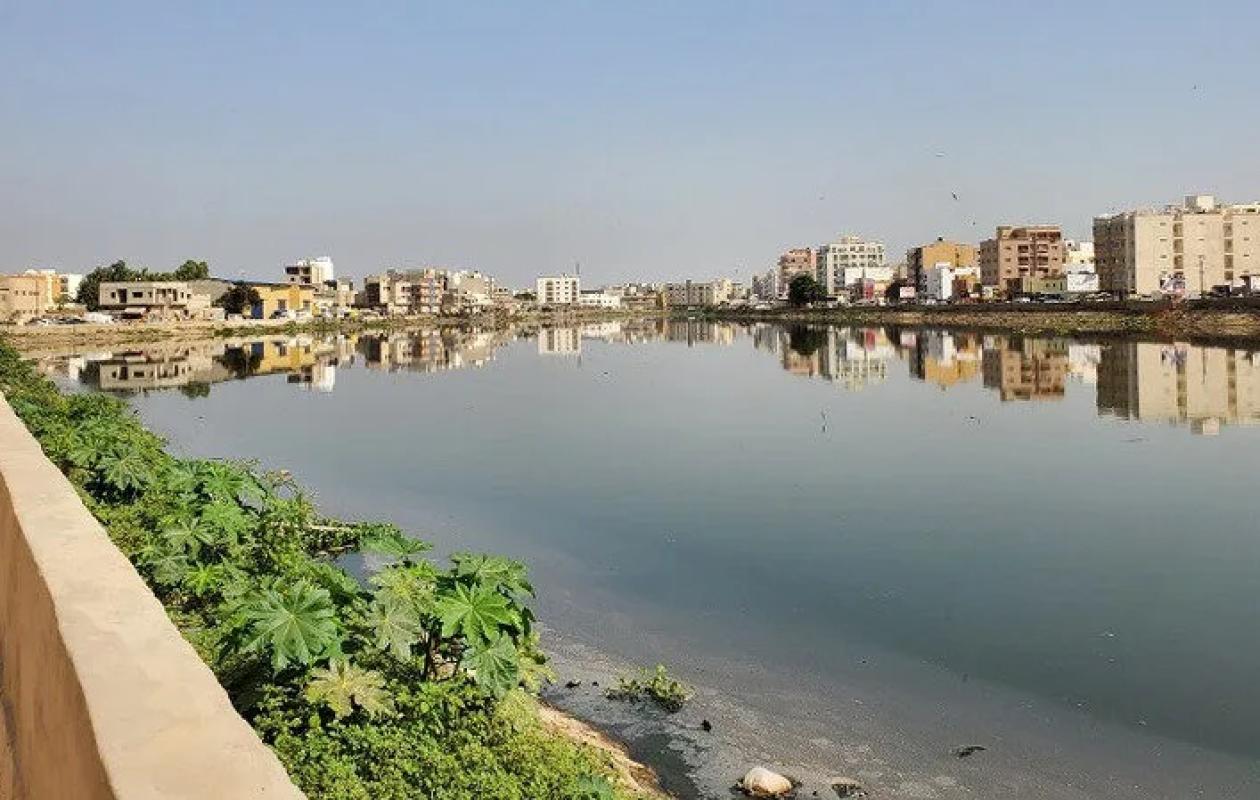
Contamination fécale et eaux de baignade hors normes : La station d'épuration de Cambérène au cœur d'une alerte scientifique
Presented at the 5th Scientific Day on Food Safety (5J3SA) in Dakar, a study conducted by the Wastewater Treatment Laboratory (LATEU) of IFAN-UCAD, in collaboration with several national institutions, highlighted the limitations of the Cambérène wastewater treatment plant in the face of microbiological pollution.
Researchers assessed the spatio-temporal dynamics of three indicator bacteria of fecal contamination, fecal coliforms, Escherichia coli and enterococci, across seven wastewater treatment plants in the Dakar region as well as five sea discharge points.
Analyses show significant contamination of the wastewater network, with substantial variations between sites. One of the key findings of the study concerns the Cambérène wastewater treatment plant. The results reveal a treatment efficiency of less than 50%, with logarithmic reductions ranging from 0.08 to 0.16 log.
The highest reduction rates were observed for enterococci (31.6%), followed by fecal coliforms (30.6%) and Escherichia coli (16.7%), performance levels deemed insufficient to guarantee effective bacterial elimination. The researchers emphasize that wastewater carries numerous pathogens that can pose a major risk to public health. Whether treated or not, it can contaminate receiving aquatic environments as well as irrigated vegetable crops.
The study also reveals that bathing waters have bacterial concentrations far exceeding regulatory standards. The measured values surpass the thresholds set at 2,000 CFU/100 ml for fecal coliforms, 500 CFU/100 ml for Escherichia coli, and 200 CFU/100 ml for enterococci. This situation exposes bathers to an increased risk of fecal infections.
According to the authors, these results demonstrate high levels of fecal contamination that follow a spatial gradient within Dakar's wastewater network. The low efficiency of the Cambérène treatment plant could also compromise the reuse of treated wastewater, particularly for irrigation. The researchers believe this data provides a valuable tool for strengthening environmental monitoring, identifying the main sources of contamination, guiding remediation efforts, and improving routinely monitored indicators.
These findings echo the key messages of World Food Safety Day, which remind us that foodborne illnesses are evolving under the influence of climate change, seasonality, and human practices. They also emphasize that reliable scientific data are essential to guide decisions, protect the most vulnerable populations, strengthen national food control systems, and promote collaboration among the health, agriculture, environment, and sanitation sectors. As this year's slogan reminds us: "Food safety is everyone's business."




















Commentaires (2)
Participer à la Discussion
Règles de la communauté
💡 Astuce : Utilisez des emojis depuis votre téléphone ou le module emoji ci-dessous. Cliquez sur GIF pour ajouter un GIF animé. Collez un lien X/Twitter, TikTok ou Instagram pour l'afficher automatiquement.
Se connecter
Commentez avec votre profil, votre photo, et soyez averti des réponses.