Du simple mal de gorge à l'asphyxie : Comment reconnaître la diphtérie qui frappe le Sénegal
Often mistakenly considered a disease of the past, diphtheria has made a comeback in Senegal, with a grim toll of 34 confirmed cases and 6 deaths. Extremely contagious but preventable through vaccination, this bacterial infection often presents as a simple sore throat before progressing to serious respiratory, cardiac, or neurological complications. Here's a breakdown of the symptoms, modes of transmission, and vital precautions to take.
It seemed to belong to another era. A disease almost forgotten, relegated to old medical books. Yet, diphtheria is once again raging in Senegal, and it is killing people.
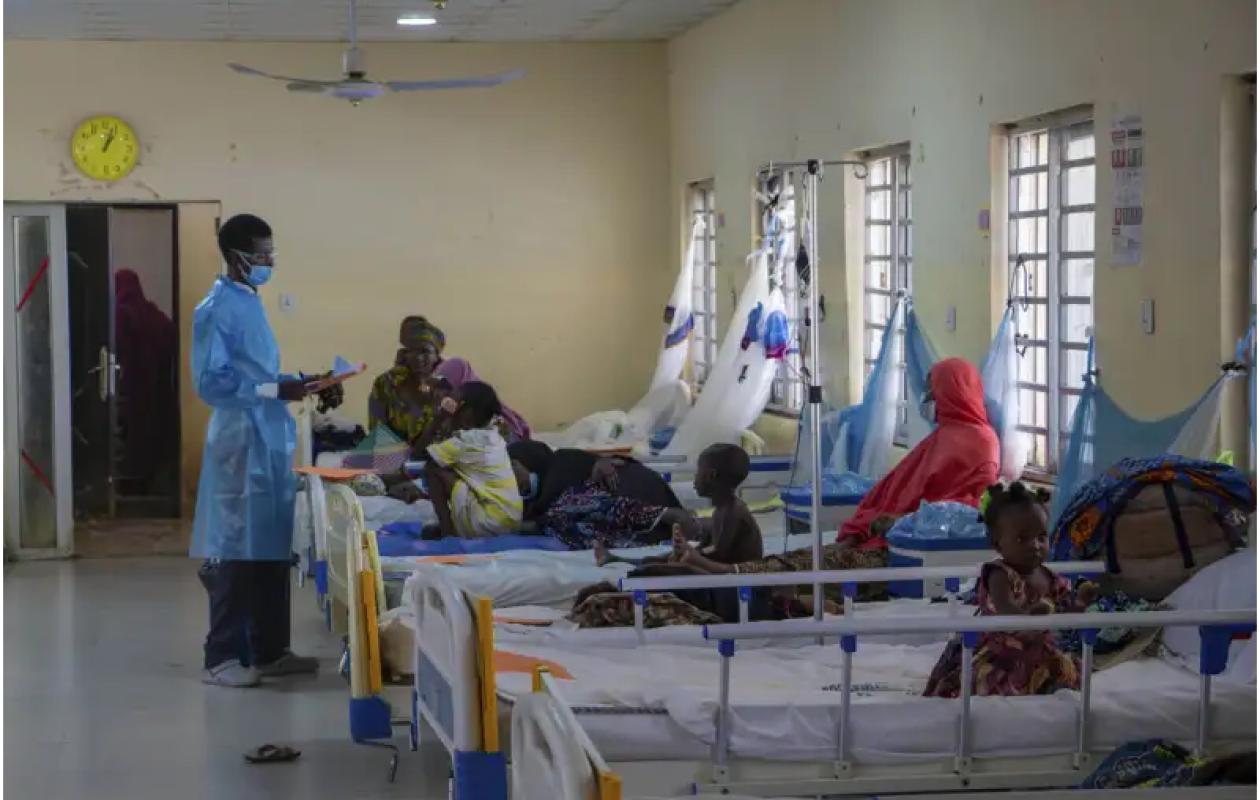
Since the first case was confirmed on August 1, 2026, the Ministry of Health and Public Hygiene has recorded 34 confirmed cases and 6 deaths, spread across 8 health districts in 6 regions of the country. The Kédougou region accounts for a significant proportion of these infections.
Behind these figures lies a worrying reality: diphtheria is a highly contagious, potentially fatal disease, but preventable through vaccination. Its danger lies in the seemingly innocuous nature of its initial symptoms.
A simple sore throat... then everything can change.
At first, nothing necessarily resembles an absolute emergency: a sore throat, fever, unusual fatigue and swollen lymph nodes in the neck.
These symptoms usually appear between two and five days after exposure to the bacteria. Then, in severe cases, a thick whitish or greyish membrane forms on the throat, tonsils or nose.
It is at this precise stage that the disease becomes critical. This membrane hinders swallowing and can, more importantly, obstruct the airways. The patient then faces acute respiratory distress.
The threat does not stop at the throat. The bacterium secretes a formidable toxin capable of spreading throughout the body, reaching the heart and central nervous system, where it can cause irreversible cardiac and neurological complications.
How is it transmitted?
Diphtheria is mainly spread from person to person through respiratory droplets expelled when coughing or sneezing. It is also transmitted through direct contact with an infected person and, more rarely, via contaminated objects.
Close contact facilitates the spread of the bacteria. Within a family, a classroom, a communal living space, or any densely populated area, the chain of transmission can quickly become active. Even more worrying: some asymptomatic or mildly symptomatic carriers remain contagious and unknowingly transmit the germ.
A rapid and deadly progression
The danger of the disease lies in the aggressiveness of its toxin. According to the World Health Organization (WHO), without vaccination and appropriate treatment, diphtheria can be fatal in approximately 30% of cases, with young children among the most vulnerable. In global epidemiological data, the case fatality rate usually ranges between 5 and 10%, but it skyrockets when access to diphtheria antitoxin is limited.
In Senegal, the six deaths recorded since the start of this resurgence illustrate the seriousness of the situation: they represent almost one death for every six confirmed cases. Although this figure does not constitute the final case fatality rate of the epidemic—the evolution of the health of hospitalized patients could alter this toll—it calls for maximum vigilance.
The vaccine, the ultimate shield
Diphtheria has one major characteristic: it is completely preventable by vaccination. The vaccine neutralizes the toxin responsible for severe forms of the disease, provided that all prescribed doses and the necessary booster shots from the vaccination schedule have been received.
In response to this outbreak, Senegalese health authorities have stepped up their efforts: free medical care for those infected, strict contact tracing and monitoring, and the launch of a catch-up vaccination campaign. They urge parents to urgently check their children's vaccination records to ensure any missing doses are administered.
The life-saving reflex
Faced with this threat, delaying treatment can prove fatal. A feverish sore throat is certainly not always synonymous with diphtheria. But during an epidemic, several warning signs should prompt immediate medical attention:
The WHO recommends early administration of treatment as soon as clinical suspicion arises. Management is based on the injection of diphtheria antitoxin combined with antibiotic therapy. The earlier treatment is initiated, the lower the risk of long-term effects and death.
Diphtheria is not a thing of medical history. In Senegal, six victims have already left us to remind us of this. A sore throat, a seemingly harmless swollen membrane, or a mild fever should no longer be ignored: faced with an infection capable of suffocating a patient in a matter of hours, seeking medical help without delay remains the best course of action.





















Commentaires (2)
Participer à la Discussion
Règles de la communauté
💡 Astuce : Utilisez des emojis depuis votre téléphone ou le module emoji ci-dessous. Cliquez sur GIF pour ajouter un GIF animé. Collez un lien X/Twitter, TikTok ou Instagram pour l'afficher automatiquement.
Se connecter
Commentez avec votre profil, votre photo, et soyez averti des réponses.