
Infertilité : « Être viril ne signifie pas être fertile », l’appel du professeur Moreira à briser les tabous
The confusion between virility and fertility contributes to delaying the diagnosis of male infertility. Ndèye Awa Diagne, Head of the Family Planning Division at the Directorate of Maternal and Child Health (DSME), calls for dismantling prejudices and involving men more in the care of couples. In many social representations, difficulties conceiving remain spontaneously associated with women. However, infertility can be of male or female origin, related to both partners, or remain unexplained. The specialist emphasized this reality during a capacity-building workshop for journalists organized by the Association of Journalists for Health, Population and Development, in partnership with the Directorate of Maternal and Child Health (DSME), on the theme of combating infertility and its social implications.
A confusion that keeps men away from consultations
According to her, it is essential to distinguish between virility and fertility. “The ability to have an erection and engage in sexual intercourse does not guarantee that sperm possesses the characteristics necessary for fertilization. A man can therefore have a satisfying sex life while still exhibiting abnormalities in sperm count, motility, or morphology. Only a medical evaluation can explore these parameters. However, when fertility is equated with masculinity, the diagnosis can be experienced as an attack on a man's identity,” she says. She believes this perception can delay consultations and complicate communication within the couple. Ndèye Awa Diagne believes these mechanisms need to be explained more thoroughly so that men understand that infertility is a medical issue and not a judgment on their virility.
The assessment must involve both partners
Infertility assessment requires a process involving both partners. Tests can identify potential abnormalities in ovulation, fallopian tubes, or the uterus in women, as well as problems with sperm production or quality in men. The specialist also emphasizes the importance of early screening for certain male abnormalities, particularly cryptorchidism, which can compromise testicular function if left untreated. This approach helps prevent women from bearing the burden of family and social pressure related to infertility alone. Indeed, difficulties conceiving can lead to marital tension, accusations, a loss of self-esteem, and social isolation. Women are often particularly vulnerable to stigmatization, even when the cause of the problem has not been determined.
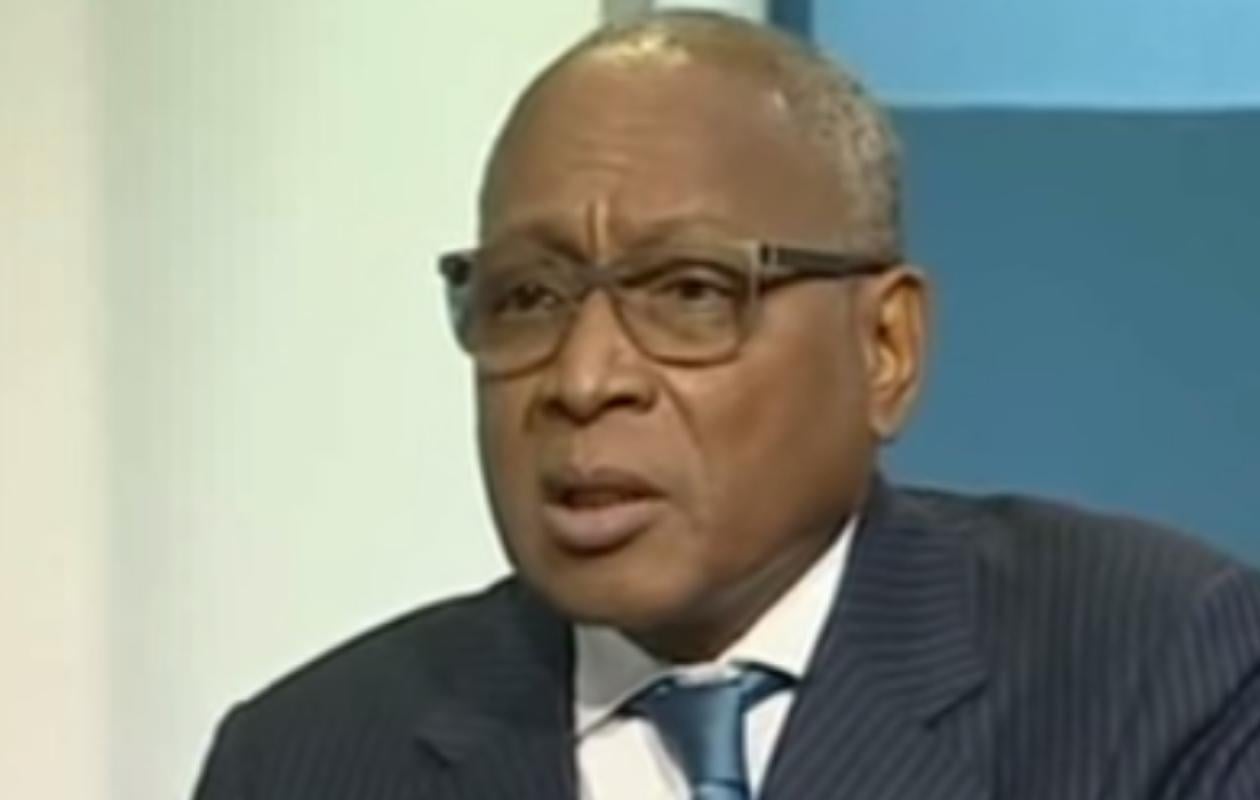
Professor Moreira believes that awareness campaigns must target both men and women and involve healthcare professionals, the media, and communities. The workshop organized by the Association of Journalists for Health, Population and Development, in partnership with the DSME (Directorate of Health and Social Services), is part of this effort to strengthen information. By calling for the dismantling of preconceived notions, the specialist advocates for care based on medical diagnosis, dialogue between partners, and respect for individuals facing infertility.

















Commentaires (2)
Participer à la Discussion
Règles de la communauté
💡 Astuce : Utilisez des emojis depuis votre téléphone ou le module emoji ci-dessous. Cliquez sur GIF pour ajouter un GIF animé. Collez un lien X/Twitter, TikTok ou Instagram pour l'afficher automatiquement.
Se connecter
Commentez avec votre profil, votre photo, et soyez averti des réponses.