
Le pénis peut révéler votre état de santé : voici les signaux à surveiller
Erectile dysfunction can be a warning sign of heart attack, stroke, diabetes, and dementia. Researchers say it's time for patients and doctors to pay attention.
Erectile dysfunction could be described as a silent epidemic. According to several studies, it affects more than half of adult men over 40. Yet, few dare to broach the subject with their loved ones.
If the conversation does begin, it is often perceived as a joke, rather than a warning sign of illness. However, much recent research shows that the penis is often an indicator of a man's overall health, with erectile dysfunction potentially being a precursor to many serious conditions, such as diabetes, heart attack, stroke, and dementia.
According to sexologist Emmanuele Jannini of the University of Rome Tor Vergata, who recently edited a scientific work summarizing current data, this is an "early warning sign." Improved screening for erectile dysfunction would allow doctors to diagnose certain serious conditions affecting men's health before they worsen.
But the reluctance of many men to talk about their sexual health means they miss out on these valuable opportunities.
Here's what you need to know about this extremely common problem and why it should alert your doctor.
"Plumbing" problems
Image caption: Research indicates that men with erectile dysfunction have almost a 60% higher risk of developing coronary heart disease and more than a 30% higher risk of having a stroke.
As with many medical conditions, the exact prevalence of erectile dysfunction depends on its definition and measurement. Consequently, studies report a global prevalence among adult men ranging from only 3% to 76.5%, a very wide range.
However, one of the largest and most nuanced surveys, conducted with approximately 1200 subjects using detailed questionnaires, revealed that 39% of men aged 40 regularly suffered from impotence, a percentage that rises to 67% at age 70.
In many ways, erectile dysfunction is a plumbing problem.
Along the length of the penis are two spongy structures called corpora cavernosa, which are normally flaccid. During sexual arousal, the brain sends signals that relax the muscles surrounding the arteries of the penis, causing blood to flow into the two corpora cavernosa. As they expand, these structures stretch and compress the veins, preventing blood from flowing out of the penis and retaining it inside.
Like a balloon inflating with air, the penis expands and becomes rigid. Anything that reduces blood flow to the corpora cavernosa of the penis can impair a man's ability to achieve or maintain an erection.
The problem is often psychological. A stress response involving adrenaline and cortisol can cause blood vessels to constrict, thus preventing the corpora cavernosa from stiffening. High stress levels can also disrupt testosterone production, which can reduce libido and decrease arousal. (It's important to note that people with glandular disorders like hypogonadism also have reduced testosterone production, so this may play a role.)
Not to mention that stress is often accompanied by a general state of mental distraction which can make it difficult to maintain concentration on sex.
In our evolutionary history, this would have a good reason: while stress inhibits alertness, it allows the organism to conserve its resources to survive in case of danger. "If the environment is risky, it's important not to reproduce," explains Jannini.
In the modern world, however, there are many non-life-threatening reasons why we experience stress, so this protective mechanism could be called upon more often than necessary.
Heart and brain problems
In many cases, erectile dysfunction can be a sign of more serious health problems. It can be caused by atherosclerosis, a disease characterized by the hardening and narrowing of blood vessels, leading to a significant risk of cardiovascular disease. Since the arteries of the penis are among the smallest in the body, they are often the first to deteriorate; therefore, erectile dysfunction can be an early warning sign of this type of heart failure.
A recent study, analyzing data from 154,794 individuals, revealed that men suffering from erectile dysfunction had a 59% higher risk of suffering from coronary heart disease and a 34% higher risk of having a stroke.
"A good erection is a good indicator of vascular health," says Michael Carroll, an expert in reproductive sciences at Manchester Metropolitan University in the UK and author of the book to be published this summer entitled "Your Testicles: The Science of How They Work and Its Implications for Your Fertility."
There is even preliminary evidence suggesting that poor penile health could be an indicator of cognitive decline. A Taiwanese study found that men diagnosed with erectile dysfunction had a 68% higher risk of developing dementia over a seven-year follow-up. Like the penis, our brain also depends on good blood flow to receive the necessary energy and eliminate toxic waste.
The link with diabetes
Monitoring erectile dysfunction is particularly important in people at risk of developing diabetes, as this disease can damage the circulatory and nervous systems through various mechanisms. For example, blood sugar spikes, common in poorly controlled diabetes, can lead to excessive glucose deposition on the proteins in blood vessel walls. This process, called glycation, can cause a loss of elasticity in blood vessels. Similar to atherosclerosis, glycation reduces blood flow to the parts of the body that need it most, and the delicate blood vessels of the penis are often among the first to be affected.
"The link between diabetes and erectile dysfunction is very strong," says Bogdan Vlacho, a researcher at the Sant Pau Research Institute in Barcelona, Spain. "Men with type 2 diabetes are about three times more likely to develop erectile dysfunction than those without diabetes."
In a recent data analysis, Vlacho also found that people with diabetes and erectile dysfunction are much more likely to develop peripheral neuropathy (nerve damage to the hands and feet) than those with diabetes alone. They also have an increased risk of retinopathy, which can lead to blindness, and impaired wound healing, which can sometimes result in amputation.
However, screening for erectile dysfunction in diabetic patients is not a common practice. "It would seem that healthcare professionals do not broach this subject with their patients," explains Santiago Martinez, an endocrinologist at the University of Barcelona, Spain, and co-author of the study.
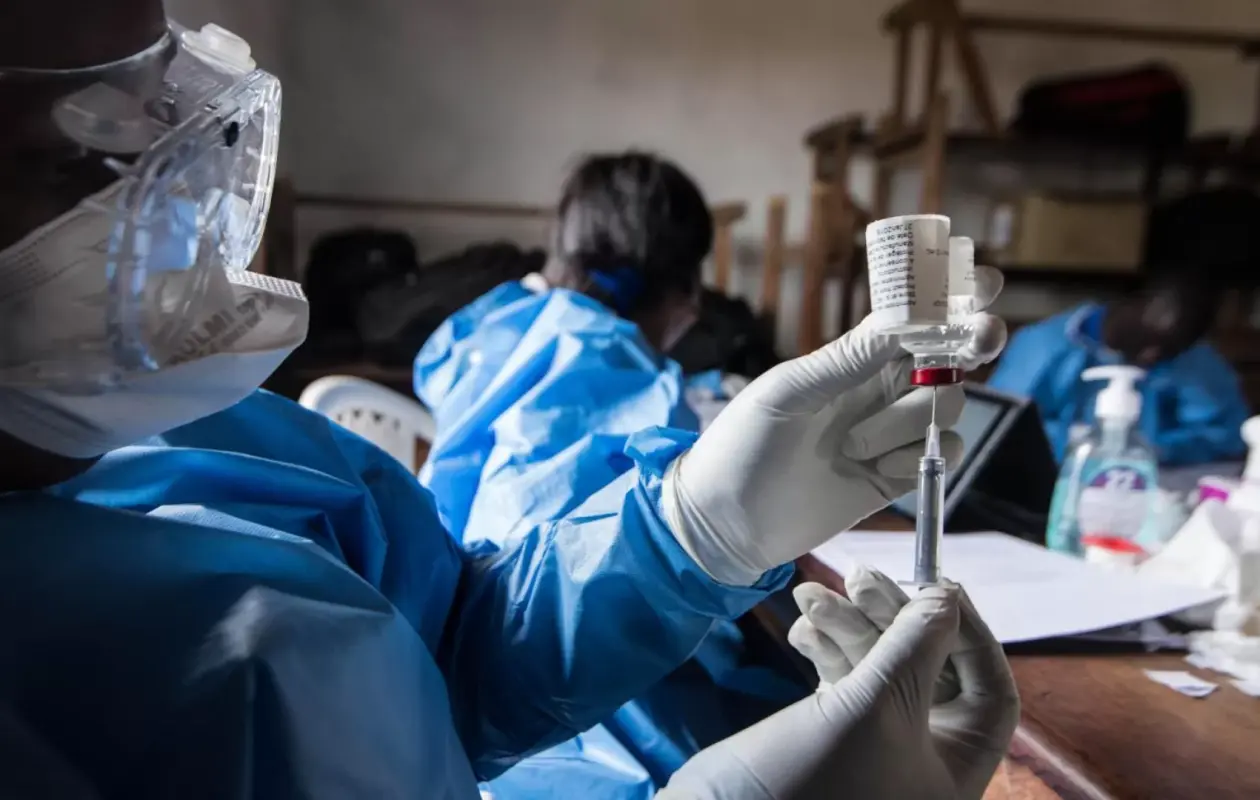
This image illustrates how erectile dysfunction can be an early warning sign of serious illnesses, including heart attacks, strokes, diabetes, and dementia. PHOTO CREDIT: SERENITY STRULL/ BBC/ GETTY IMAGES
Image caption: According to a study, erectile dysfunction affects between 3% and 76.5% of men worldwide.
Potential therapies
A survey conducted by the Urology Foundation in the UK revealed that more than half of men suffering from erectile dysfunction refrained from seeking medical help due to shame and anxiety related to the condition, and 20% even stated that they would rather not drink beer for a month than consult a healthcare professional about their discomfort.
But according to Carroll, all men suffering from erectile dysfunction should seek medical help. This could alleviate a significant source of distress and stress, while also initiating a valuable discussion about your overall physical health—a discussion that could save your life. “It’s essential to address the problem early,” he says.
After all, erectile dysfunction isn't an incurable condition. Medications like Viagra (sildenafil) dilate the blood vessels in the penis. Furthermore, some anecdotal evidence suggests that patients taking these pills to improve their sex lives also experience improved cardiovascular health, including a reduced risk of heart failure, although this hasn't yet been demonstrated in clinical trials. (Viagra was initially developed as a cardiovascular treatment for patients with high blood pressure, before researchers discovered its now well-known side effect.)
These drugs could even reduce the risk of developing dementia, according to a study that analyzed more than 885,000 patients and found that they halved the risk of developing Alzheimer's disease.
At the very least, if you discuss your erectile dysfunction with a doctor, they can screen you for common risk factors for cardiovascular disease, such as high blood pressure and atherosclerosis, and advise you on issues like obesity, which can contribute to poor cardiovascular health. In some cases, simple measures like dietary changes and increased physical activity can be helpful. For people with diabetes, managing blood sugar levels will be crucial.
Martinez and Vlacho point out, however, that research on the effects of these therapies on erectile dysfunction, and on their ability to mitigate the risk of other complications, is still in its early stages.
Furthermore, disentangling the causes of erectile dysfunction can be complex, as it can also be linked to habits such as pornography addiction and mental health issues affecting sexual desire. “If the man has diabetes or cardiovascular disease, the link and treatment are generally simpler,” explains Carroll. “However, if lifestyle factors, such as alcohol and tobacco use, are combined with psychological or behavioral aspects, such as excessive pornography consumption, management can be more difficult. Often, these men prefer not to disclose their activities.”
The lost bone
In addition to the obvious importance of these findings for our current healthcare system, Jannini has considered the potential evolutionary implications of the penis being such a barometer of overall health.
The human species is distinguished by its dependence on blood flow to achieve a firm erection. Most other primates, including our closest relatives, chimpanzees, possess a retractable bone called the baculum, which relaxes during arousal to support the erection and keep the corpora cavernosa active and rigid. As a result, their sex life is not as closely linked to their overall health as that of the average man.
Why then would humans have evolved by losing the penis bone and acquiring an increased risk of sexual dysfunction and vulnerability? This fact has intrigued many evolutionary biologists. Jannini, for her part, suggests that the loss of the penis bone in humans allowed our female ancestors to identify the most suitable partners and those who would pass on the best genes to their offspring.
“It’s very strange that we lost the most important bone for reproduction, because our reaction is so unpredictable,” Jannini explains. “But this means it’s the ideal biomarker for chronic diseases.”





















Commentaires (6)
Participer à la Discussion
Règles de la communauté
💡 Astuce : Utilisez des emojis depuis votre téléphone ou le module emoji ci-dessous. Cliquez sur GIF pour ajouter un GIF animé. Collez un lien X/Twitter, TikTok ou Instagram pour l'afficher automatiquement.
Se connecter
Commentez avec votre profil, votre photo, et soyez averti des réponses.