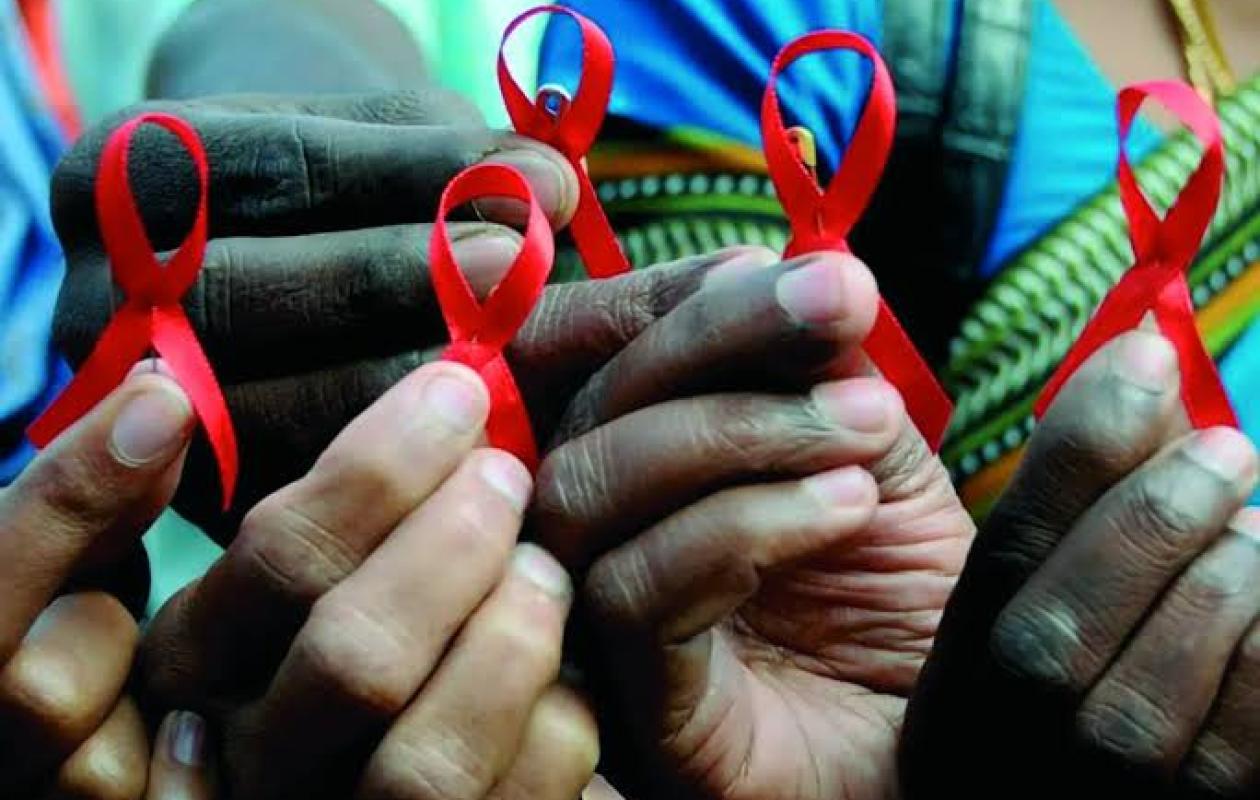
Lutte contre le sida : Des experts de 13 pays réunis au Sénégal contre les infections opportunistes
As the goal of eliminating AIDS draws nearer, opportunistic infections continue to affect patients in healthcare facilities, sometimes at very advanced stages of the disease. To develop responses tailored to the African context, experts from 13 countries are meeting for three days in Senegal for a workshop dedicated to clinical research on HIV.
Professor Ndèye Coumba Touré Kane, microbiologist at the Faculty of Medicine, Pharmacy and Odontology of Cheikh Anta Diop University of Dakar (UCAD) and Southern Coordinator of the ANRS in Senegal, emphasizes the urgency of this reflection: “In an era where we are talking about the elimination of AIDS, we continue to see people arriving in our health facilities at an advanced stage. This is not normal.”
Organised in partnership with the Regional Centre for Research and Training in Clinical Care (CRCF) and the Coordinated Action 44 (AC44) dedicated to clinical research, this workshop aims to establish an overview of scientific knowledge and to identify concrete research avenues.
The first phase of the work is dedicated to reviewing therapeutic strategies, management methods, diagnostic tools, and the social dimensions related to opportunistic infections. Participants aim to develop scientific solutions grounded in the realities of the continent.
Preparing the next generation of African scientists
One of the priorities of this meeting is the role given to young researchers. Around twenty African scientists, selected through a rigorous process, are actively participating in the work. The goal is to strengthen their skills and integrate them directly into the design of future research projects.
Professor Touré Kane believes this work should lead to structuring programs capable of reducing mortality from opportunistic infections. She also emphasizes the overall impact of investments made in the fight against AIDS on the entire healthcare system: “AIDS acts like a train that pulls everything else along. Strengthening the capacity of professionals and modernizing diagnostic equipment benefits the entire healthcare system.”
Senegal has a long-standing leadership role in this area. The expert specifically mentions the pioneering initiative launched by Senegal in 1998 to provide access to antiretroviral (ARV) treatments, at a time when the feasibility of these treatments in Africa was highly contested. This experience paved the way for free ARVs in 2003. She also cites the work carried out with drug users at the Dakar Integrated Addiction Treatment Center (CIPIAD) at Fann Hospital, whose data has helped guide public health policies.
Remain vigilant and strengthen therapeutic monitoring
Although the epidemic is generally trending downward in Senegal, vigilance remains essential. "The epidemic remains concentrated ," notes the specialist, who calls for intensified prevention efforts targeting young people aged 15 to 24 and the most vulnerable populations.
She also emphasizes the crucial importance of adhering to antiretroviral treatment. A person living with HIV and receiving proper treatment can achieve an undetectable viral load, thus eliminating the risk of sexual transmission. However, this effectiveness depends on lifelong, continuous treatment.
A dynamic of international cooperation
For Maxime Hentzien, professor of infectious diseases at the University Hospital of Reims and co-president of AC44 HIV Clinical Research, the challenge lies in creating a lasting scientific network between partner countries: "The aim of such a meeting is to come together in one place to co-develop research projects with the stakeholders who will then deploy them in the field."
Bringing together around fifty participants from 13 countries, this workshop offers a framework for constructively confronting local epidemiological realities, promoting the emergence of research projects that are as close as possible to the needs of the populations.



















Commentaires (0)
Participer à la Discussion
Règles de la communauté
💡 Astuce : Utilisez des emojis depuis votre téléphone ou le module emoji ci-dessous. Cliquez sur GIF pour ajouter un GIF animé. Collez un lien X/Twitter, TikTok ou Instagram pour l'afficher automatiquement.
Se connecter
Commentez avec votre profil, votre photo, et soyez averti des réponses.