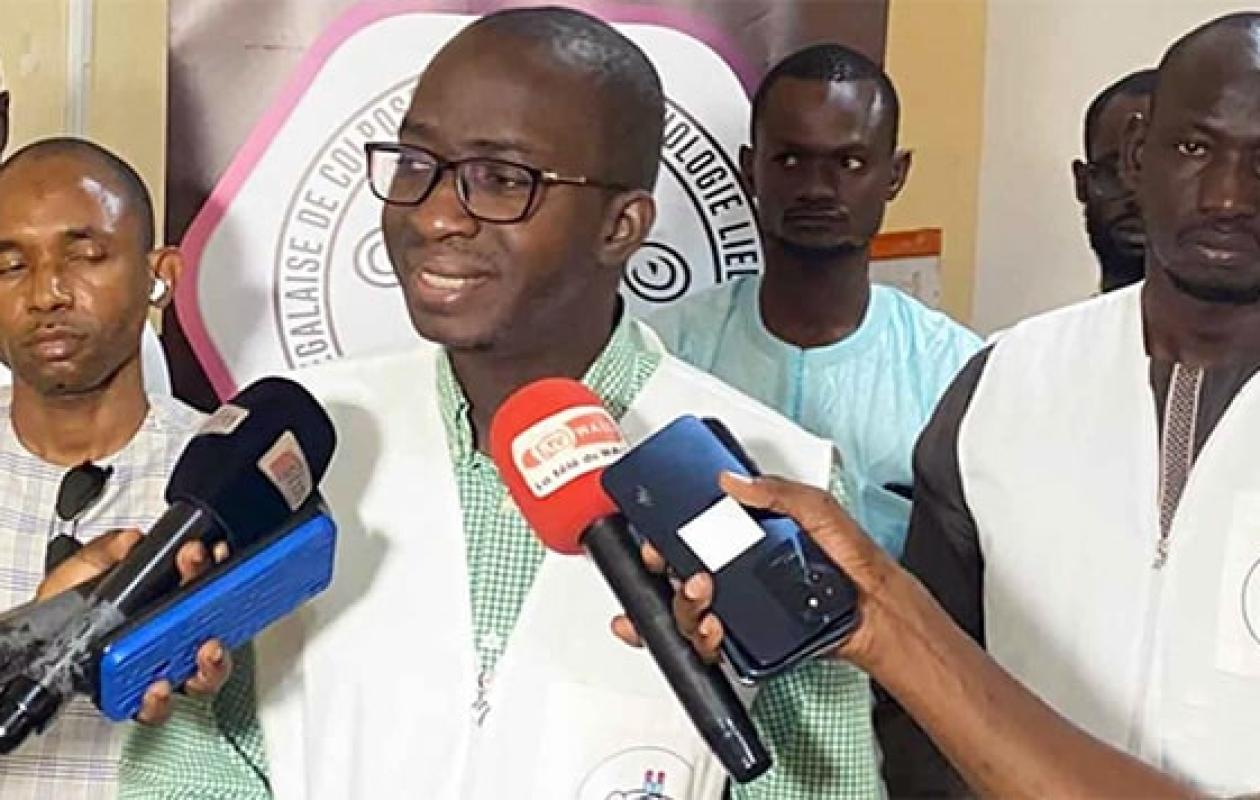
« Moins de 15 % de femmes dépistées et des malades abandonnées » : Les vérités du Pr Omar Gassama sur la prise en charge du cancer du col
At the international congress of the Senegalese Society of Colposcopy and Pathology Related to Human Papillomavirus (SSCPP), Professor Omar Gassama issued a stark warning about the fight against cervical cancer in Senegal. While HPV vaccination has shown significant progress, national screening rates remain below 15%. Criticizing the lack of equipment, the absence of continuous care, and the centralized radiotherapy services in Dakar and Touba, the specialist denounced the neglect of patients and called for a permanent, decentralized strategy.
At the 5th National Congress and 4th International Congress of the Senegalese Society of Colposcopy and Pathology Related to Papillomavirus (SSCPP), combined with the 2nd International Course on Colposcopy and Cervicovaginal Pathology, Professor Omar Gassama presented an uncompromising assessment of the strategy to combat cervical cancer in Senegal.
The congress, organized in collaboration with the American Society of Colposcopy and Cervicovaginal Pathology, focused on accelerating the elimination of this disease. This objective aligns with the World Health Organization's (WHO) roadmap, which targets three objectives: vaccinating 90% of girls aged 9 to 14, screening and treating 70% of women aged 30 to 49 with precancerous lesions, and ensuring the management of 90% of invasive cases.
Vaccination is progressing despite resistance.
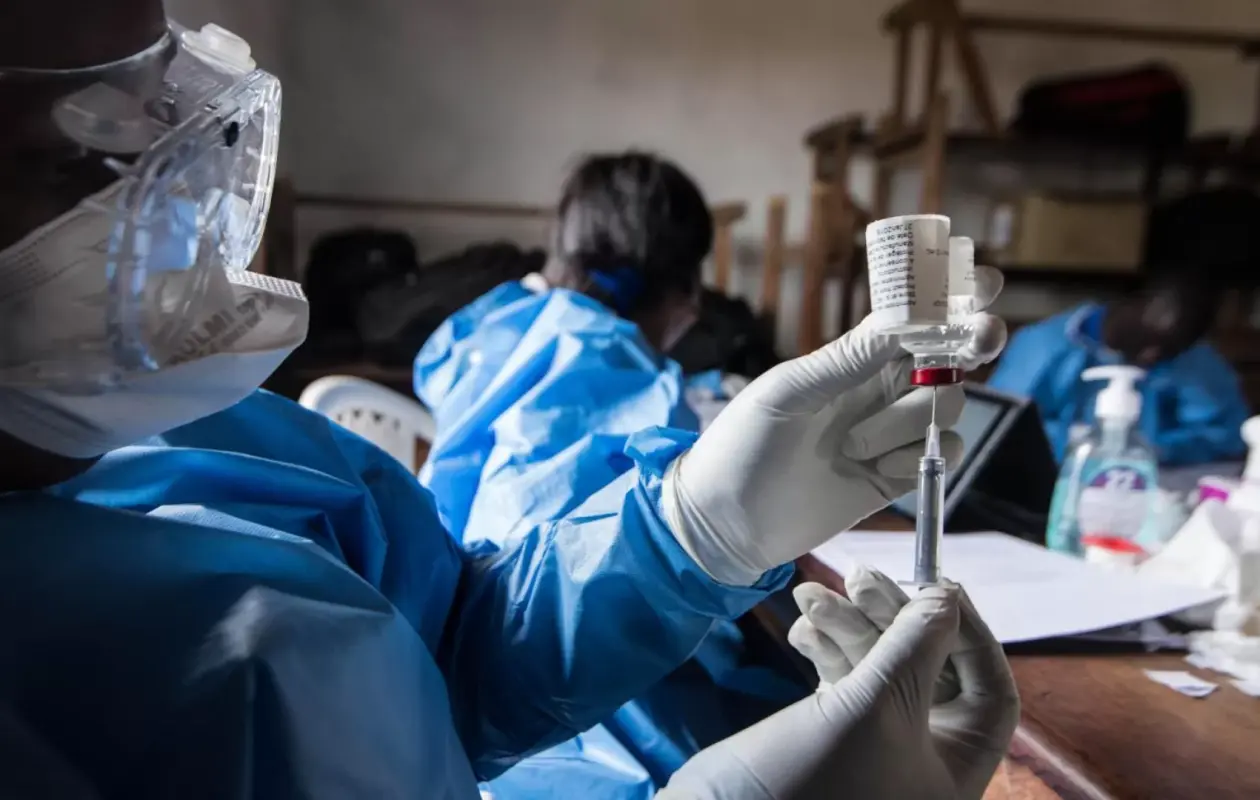
On the first point, Professor Omar Gassama is reassuring. Vaccination coverage against human papillomavirus (HPV) in Senegal is considered "acceptable" and is close to 100%, even though pockets of resistance remain in some regions, particularly in Matam. "For vaccination, the results are encouraging for Senegal ," the specialist emphasizes.
He notes, however, the persistence of hesitancy among the population, often fueled by a lack of information or fear of side effects. To address this, awareness campaigns must continue: "The cervical cancer vaccine is safe, effective, and available in the country."
Recalling that this vaccine has benefited from more than twenty years of hindsight, he cites Australia, Finland, England and Canada among the countries on track to eliminate this disease by 2030, thanks to programs also including boys.
" We're not even at 15% screening."
The diagnosis becomes much more serious with regard to the second axis. "In Senegal, we are not even at 15% of the cervical cancer screening rate. If we want to tell ourselves the truth, the screening is done poorly. It is done far too poorly ," he insists.
Beyond the low figures, the professor points to a breakdown in the healthcare system: "Patients are tested and then left to fend for themselves."
The problem stems from a shortage of equipment and a lack of qualified personnel. As a result, many women identified with precancerous lesions do not receive timely treatment. In this context, achieving the target of 70% of women being screened by 2030 seems unrealistic without a major shift in public policy.
A critical shortage of radiotherapy equipment
The treatment of invasive cancers raises similar concerns due to the concentration of advanced infrastructure. "Radiotherapy is only available in Dakar and Touba; it doesn't exist anywhere else," he laments, highlighting the inadequacy of the equipment nationwide. "As we speak, we should have nearly 1,800 radiotherapy machines for our 18 million inhabitants. Yet, we don't even have four functioning machines in the entire country."
For the practitioner, this slump reflects a lack of political will and commitment to provide the health sector with adequate financial resources.
For a permanent screening center per district
To reverse the trend, Professor Gassama advocates for the effective and sustainable decentralization of prevention efforts. "In Senegal, we have 79 districts. There must be 79 equipped and functional testing centers, with qualified staff working 365 days a year."
The specialist strongly criticizes the reliance on one-off campaigns. According to him, initiatives like "Pink October" cannot replace a public health service that operates year-round: "Pink October should be used to catch up with those who are behind, not to replace ongoing prevention. Waiting until this month to screen will never solve the problem."
A preventable disease that continues to kill
In conclusion, the professor reiterates the moral imperative to act in the face of a disease for which prevention methods are, in fact, perfectly well known. "It is unacceptable and inconceivable that women continue to die from cervical cancer in Senegal."
Without a territorial network equipped with appropriate facilities and trained personnel, the goal of elimination will remain unattainable, condemning thousands of women to develop severe forms of preventable cancer.





















Commentaires (0)
Participer à la Discussion
Règles de la communauté
💡 Astuce : Utilisez des emojis depuis votre téléphone ou le module emoji ci-dessous. Cliquez sur GIF pour ajouter un GIF animé. Collez un lien X/Twitter, TikTok ou Instagram pour l'afficher automatiquement.
Se connecter
Commentez avec votre profil, votre photo, et soyez averti des réponses.