
Mortalité maternelle : Le Sénégal accélère avec « Naatangue 2030 », 17 nouveaux blocs opératoires et une meilleure prise en charge des urgences
Nearly 40% of maternal deaths in Senegal are still linked to postpartum hemorrhage. To reverse this trend, health authorities want to accelerate reforms in the care of pregnant women and newborns.
Meeting this Friday, August 7th in Dakar for the second session of the Steering Committee for Reproductive, Maternal, Neonatal, Child, Adolescent and Nutritional Health (SRMNIA-N), stakeholders in the sector reviewed the progress made, with 60% of the recommendations from the previous session already implemented. They also announced the opening of 17 new operating theaters by 2027, bringing the total number to 32 across the country.
These announcements come amid a gradual decline in mortality indicators. The maternal mortality ratio fell from 401 to 273 deaths per 100,000 live births between 2015 and 2017. Neonatal mortality also declined, from 35 deaths per 1,000 live births in 2005 to 23 per 1,000 in 2023, despite some fluctuations over the period 2015-2023.
At the opening of the proceedings, the Secretary General of the Ministry of Health and Public Hygiene, Leroux Dramé, indicated that three of the five priority recommendations from the previous session had already been implemented, representing a 60% completion rate. This level was considered encouraging, but one that requires acceleration to achieve the established objectives for maternal, child, and adolescent health.

Strengthening emergency obstetric care is among the top priorities. According to the Director of Maternal and Child Health, Dr. Amadou Doucouré, 15 operating theaters have already been reopened or made operational in the last two years.

The ministry plans to open 12 new operating theaters by December 2026, and three more before the end of 2027. Ultimately, Senegal will have 32 functional operating theaters in order to bring care closer to the population, limit evacuations to regional hospitals and improve the management of obstetric complications.
Despite progress made, postpartum hemorrhage remains the leading cause of maternal death, accounting for nearly 40% of maternal deaths, according to data presented at the meeting.
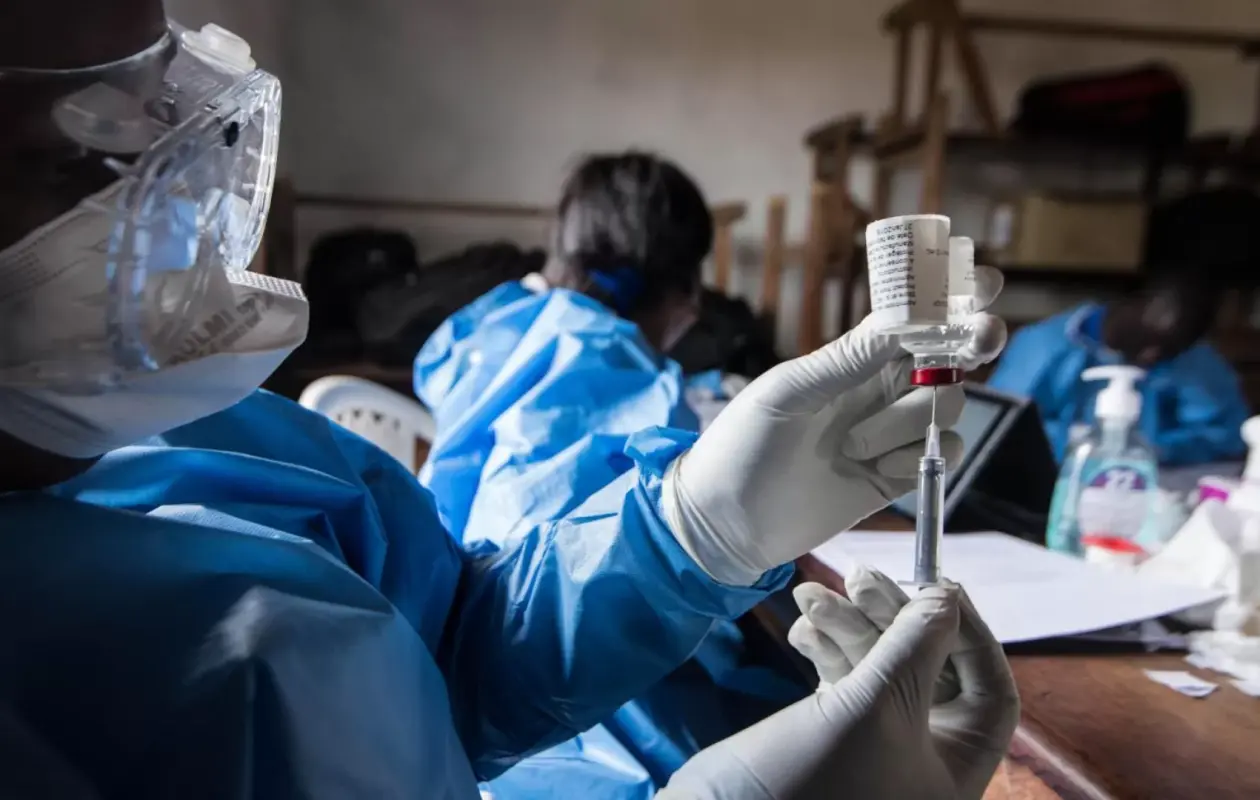
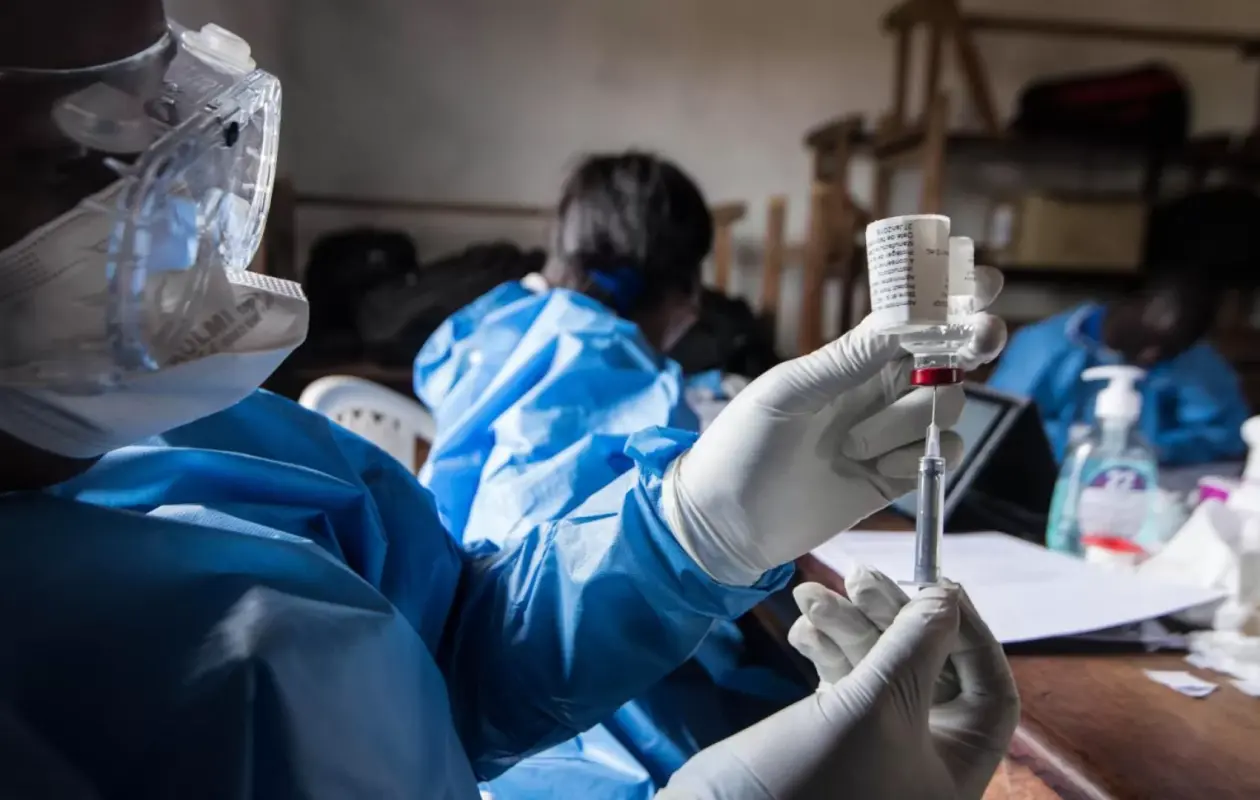
To address this, the ministry is focusing on strengthening blood banks and depots, expanding regional blood transfusion centers, and deploying new equipment, including calibrated sheets, intrauterine balloons, and shock-absorbing pants.


















Commentaires (0)
Participer à la Discussion
Règles de la communauté
💡 Astuce : Utilisez des emojis depuis votre téléphone ou le module emoji ci-dessous. Cliquez sur GIF pour ajouter un GIF animé. Collez un lien X/Twitter, TikTok ou Instagram pour l'afficher automatiquement.
Se connecter
Commentez avec votre profil, votre photo, et soyez averti des réponses.