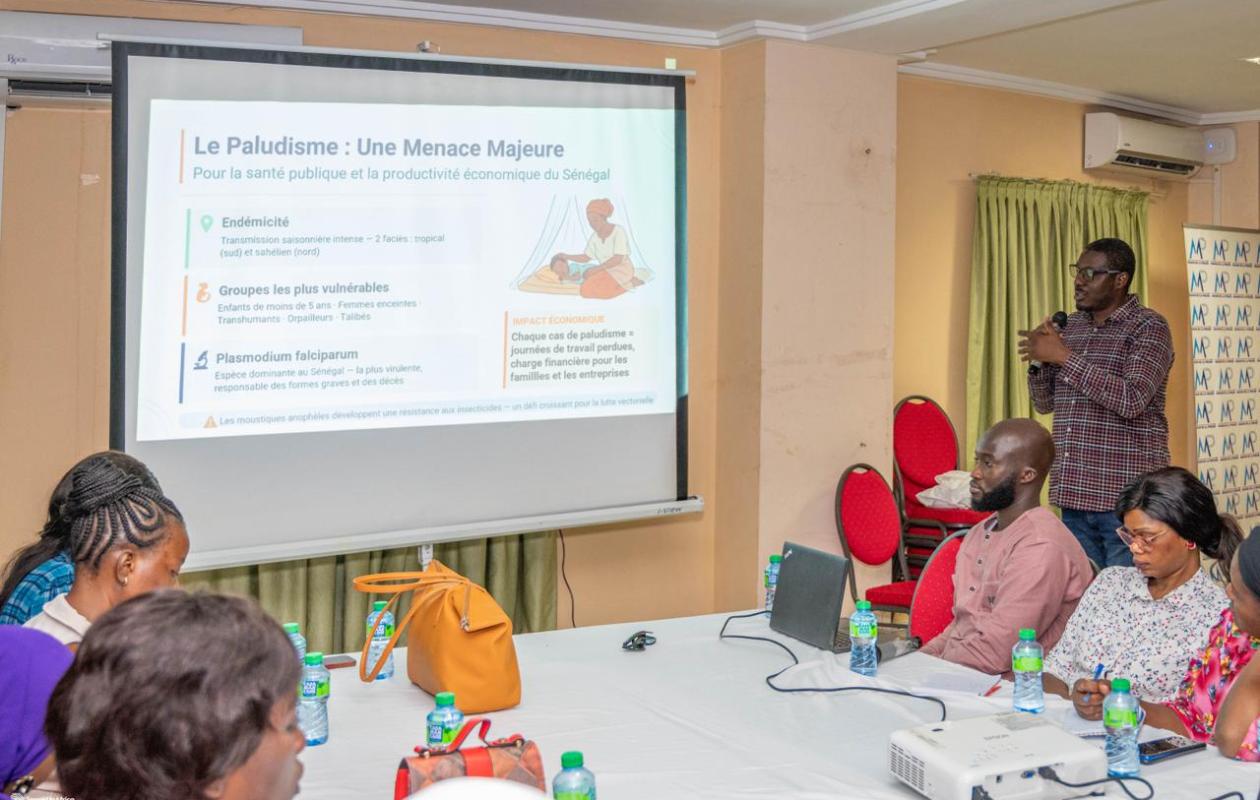
Paludisme : 146,6 milliards FCFA pour atteindre l’élimination en 2030
Senegal is nearing the final kilometer in its fight against malaria. But to reach the elimination goal by 2030, the country will have to overcome a major challenge: securing the funding necessary to sustain the gains made. It is therefore essential to examine the factors driving the evolution of the statistics. The question is: who is currently funding the fight against malaria? Will national resources be sufficient? Will interventions be maintained in the most affected areas? Are the populations aware of their rights regarding treatment?
Four years before the 2030 deadline, the National Strategic Plan for Malaria Elimination 2026-2030 estimates the needs at 146.6 billion CFA francs. However, the figures demonstrate the progress made. According to data released by the National Malaria Control Program (PNLP), 73 of the country's 79 health districts are now in the pre-elimination phase. The national parasite prevalence is estimated at 0.3%.
But behind these encouraging results, disparities persist. Malaria remains more prevalent in certain areas, particularly in Tambacounda, Kédougou, and Kolda. These regions are areas of particular concern where continued interventions must be guaranteed to prevent a resurgence of the disease.
146.6 billion FCFA for the final stretch
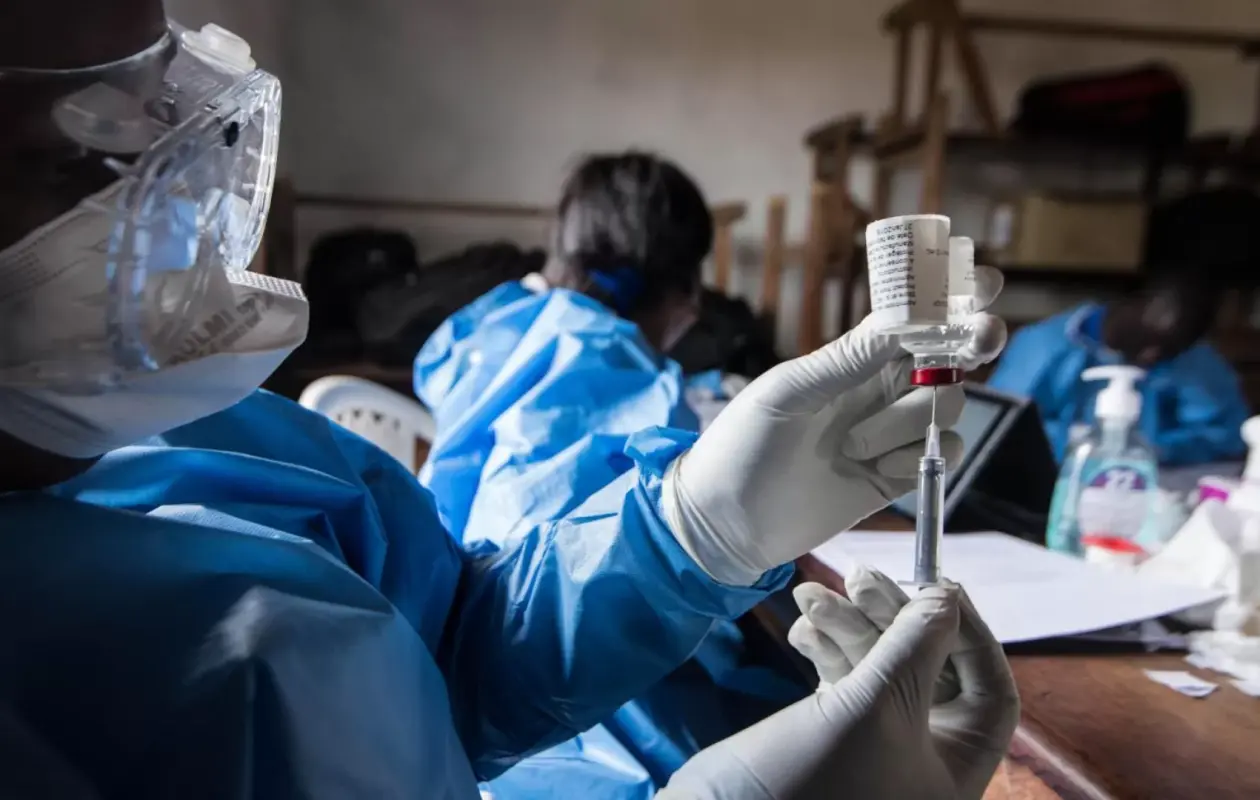
The 146.6 billion CFA franc budget allocated for the period 2026-2030 underscores the scale of the challenge. Eliminating malaria is not simply a matter of reducing the number of cases. It requires maintaining epidemiological surveillance, ensuring the availability of tests and medications, continuing prevention efforts and community-based interventions, while preserving the capacity to respond rapidly in areas where transmission remains high.
In this context, USAID's withdrawal from several development assistance programs presents a new challenge. For years, American support has contributed to funding numerous interventions related to the fight against malaria, including capacity building, community-based interventions, prevention, and support for health facilities. The issue therefore goes beyond simply replacing a donor. The question now is how to ensure sustainable funding for the final stage toward elimination. National results should not obscure local realities. Tambacounda, Kédougou, and Kolda remain particularly vulnerable.
In Kédougou, the difficulties encountered in maintaining certain interventions after the departure of a USAID-supported partner illustrate the concrete consequences that the withdrawal of a financial or technical partner can have. The risk is that Senegal will jeopardize its gains just as it is approaching its objective. The success of the strategy will therefore depend as much on the mobilization of resources as on their ability to reach the most vulnerable areas.




















Commentaires (4)
Participer à la Discussion
Règles de la communauté
💡 Astuce : Utilisez des emojis depuis votre téléphone ou le module emoji ci-dessous. Cliquez sur GIF pour ajouter un GIF animé. Collez un lien X/Twitter, TikTok ou Instagram pour l'afficher automatiquement.
Se connecter
Commentez avec votre profil, votre photo, et soyez averti des réponses.