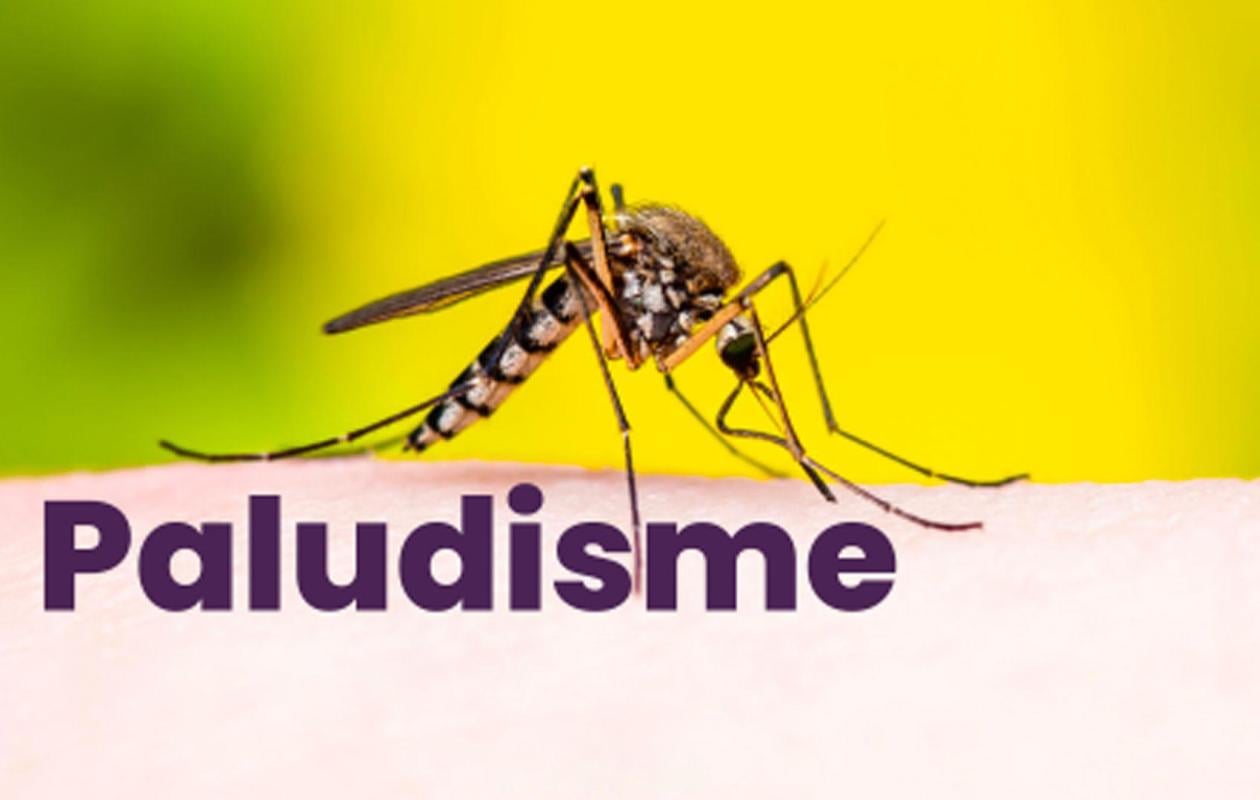
Paludisme au Sénégal : 97 % des financements manquent pour atteindre l'objectif de 2030
Senegal aims to definitively eradicate malaria by 2030. However, behind the health improvements achieved in recent years lies a worrying financial equation: of the 150 billion CFA francs needed for the five-year strategic plan, 97% remains to be raised. This challenge is prompting Senegalese and French local officials to join forces and make their territories a new front in the fight against the disease.
The ambition is great, but the resources remain to be found. While Senegal aims to eliminate malaria by 2030, financing this final stage is a major concern. Dr. Mamadou Moustapha Diop reiterated the scale of the needs: 150 billion CFA francs over five years, or 30 billion per year. To date, 97% of this amount remains to be raised. Even more worrying, the program depends on external resources, particularly the Global Fund, for 90% of its funding.
However, progress has been considerable. Between 2000 and 2025, malaria's share of overall morbidity fell from 35% to 1.4%, while its contribution to mortality declined from 29% to 0.7%. By 2025, no maternal deaths related to the disease had been recorded. Senegal now aims for zero deaths and a pre-elimination threshold of less than one case per 1,000 inhabitants.
It is in this context that the Association of Local Elected Officials Against Malaria (ELCP) and the Association of Mayors of Senegal (AMS) want to make decentralized cooperation an additional lever. During the Dakar 2026 Youth Olympic Games, they announced the creation of a collective of Senegalese mayors against malaria, with the aim of sharing experiences and developing joint initiatives with their French counterparts.
For Oumar Ba, president of the AMS, this initiative marks a turning point in cooperation between the two countries. “We have decided to specialize our efforts, identify a major challenge for Senegal, and direct our local elected officials’ initiatives toward addressing this scourge,” he explained. He intends, in particular, to strengthen collaboration with the Ministries of Health and encourage the exchange of experiences between local authorities.
On the French side, this mobilization is also based on personal and solidarity-based commitment. Mams Yaffa, deputy mayor of Paris in charge of youth, popular education and republican equality, and president of the Association of Local Elected Officials Against Malaria (ELCP), explains that the association was born from the desire of French elected officials, particularly of African origin, to get involved in a fight that directly or indirectly affects their families who remained on the continent.
Nia Bali, mayor of Île-Saint-Denis and a member of the association, also spoke of his commitment to this cause, particularly in southern Senegal, where he is from. The shared ambition is clear: to help Senegal achieve malaria-free status by 2030.
But this mobilization must go beyond mere declarations of solidarity. Municipalities are on the front lines of sanitation problems, stagnant water, and the need to raise public awareness. Dr. Diop's appeal calls on elected officials to mobilize local resources, involve the national private sector, and provide financial support for prevention efforts.
Ultimately, the real challenge will not only be uniting mayors around a common cause, but also empowering them to act. By 2030, the fight against malaria will enter a crucial phase: one where progress must translate into lasting results and solidarity must be translated into concrete funding.


















Commentaires (3)
Participer à la Discussion
Règles de la communauté
💡 Astuce : Utilisez des emojis depuis votre téléphone ou le module emoji ci-dessous. Cliquez sur GIF pour ajouter un GIF animé. Collez un lien X/Twitter, TikTok ou Instagram pour l'afficher automatiquement.
Se connecter
Commentez avec votre profil, votre photo, et soyez averti des réponses.