
Planification familiale au Sénégal : lever les obstacles pour une meilleure santé des mères et des enfants
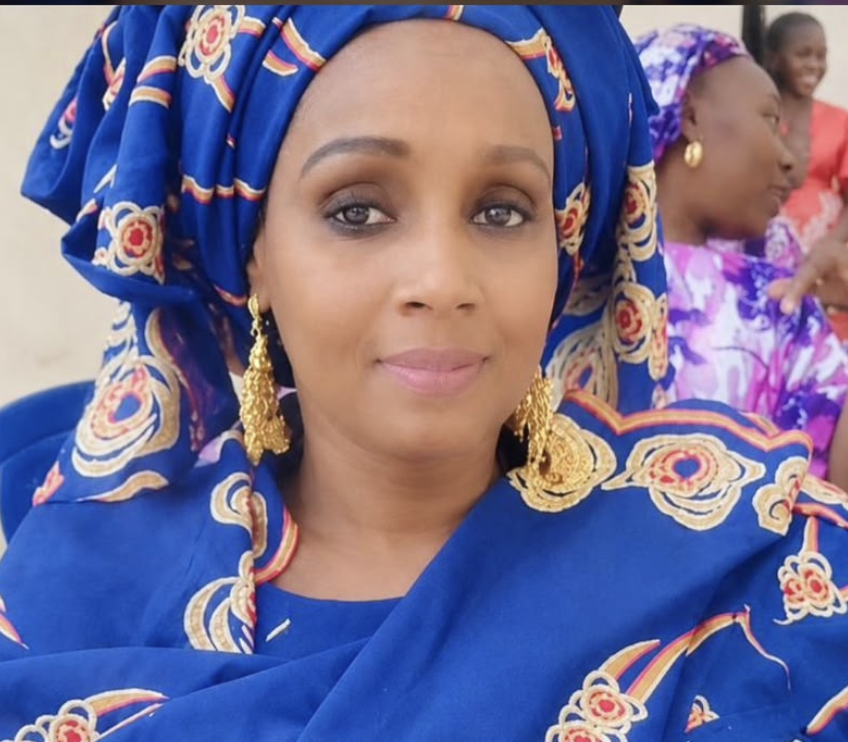
“Reproductive health and family planning (RH/FP) encompasses all the means and methods that provide couples and individuals with maximum access to information about the potential consequences of their decisions, both personally and socially. Beyond its health dimension, it touches on women's rights, social equity, and population growth. RH/FP is an effective strategy for reducing maternal mortality. Every year in West and Central Africa, more than 100,000 women die from preventable pregnancy-related causes.” These words were spoken by Bigué Ba Mbodji, President of the National Association of State Midwives of Senegal (ANSEF). She made these remarks on Tuesday in Dakar at a workshop to strengthen the skills of journalists, organized by the Association of Journalists in Health, Population and Development (AJSPD) in partnership with Marie Stopes International (MSI).
Persistent challenges
She argues that in Senegal, efforts have led to a significant decrease in maternal mortality, from 510 deaths per 100,000 live births to 236 in 2017, and then to 213 in 2023. Regionally, each year in West and Central Africa, more than 100,000 women die from preventable causes related to pregnancy.
The midwife reports that adolescents represent a significant part of the population but face many obstacles with limited access to appropriate services, poor comprehensive sexual education and socio-cultural barriers.
However, she said, the authorities have set clear objectives, namely to increase the contraceptive prevalence rate (CPR) from 26 to 46% among married women, reduce births among adolescent girls (15-19 years) from 22.9% to 15%, and ensure annual fiscal sovereignty with a 20% increase in the State's contribution, i.e. 500 million CFA francs for the purchase of contraceptives.
The workshop helped to identify several categories of challenges that hinder universal access to quality SR/FP services.
On the health front, the president of the State Midwives of Senegal listed the shortcomings in access to services, occasional product shortages, the lack of qualified human resources in rural areas, the low use by young people, the poor capitalization of data, the inadequacy of community supply and regional disparities.
"Due to the lack of an implementing decree, women do not yet have the full capacity to benefit from all the advantages of family planning."
“On a socio-cultural level, there are rumors and negative perceptions, the pro-natalist nature of society, the sensitivity of the subject, the influence of social networks, taboos around sexuality and misinformation. On an institutional and legislative level, there is the non-signing of the implementing decree of the law on SR passed in 2005, the low level of education of women and weak economic decision-making power, the consent of the spouse still required, insufficient funding and dependence on technical and financial partners,” she explained, among other challenges to be met such as communication.
Eugène Kaly: "Many women refuse to adopt a method because the side effects are not well explained."
Bigué Ba Mbodji argues that "due to the lack of an implementing decree, women do not yet have the full capacity to benefit from all the advantages of family planning."
However, she indicates that Senegal has committed itself within the framework of FP30, the Collaborative Advocacy Action Plan (CAAP) and the mobilization of parliamentarians to strengthen national funding.
“SR/FP is a pillar of human development. In Senegal, significant progress has been made, but major challenges remain. Journalists have a crucial role to play in raising awareness, advocating, and combating rumors. Synergy between media, health providers, and communities is key to creating an environment conducive to universal access to quality SR/FP services,” the midwife suggested.
Eugène Kaly, President of the Association of Journalists in Health, Population and Development (AJSPD), in turn, maintained: “It is our duty, as journalists specializing in health, to address these silences. Many women refuse to adopt a method because the side effects are not well explained. But once they understand the benefits for themselves, for their child, for their family, they immediately accept it.”




















Commentaires (3)
Quand vous regardez ceux qui subventionnent l'adoption de la contraception, rien que ça, ça devrait alerter tout sénégalais soucieux du devenir du pays. Bill Gates pour ne pas le citer.
Sénégalaises ayez des enfants car vous avez encore la chance d'en faire. Bientôt il vous sera impossible d'en faire naturellement
avant d'en concevoir.
Participer à la Discussion
Règles de la communauté
💡 Astuce : Utilisez des emojis depuis votre téléphone ou le module emoji ci-dessous. Cliquez sur GIF pour ajouter un GIF animé. Collez un lien X/Twitter, TikTok ou Instagram pour l'afficher automatiquement.
Se connecter
Commentez avec votre profil, votre photo, et soyez averti des réponses.