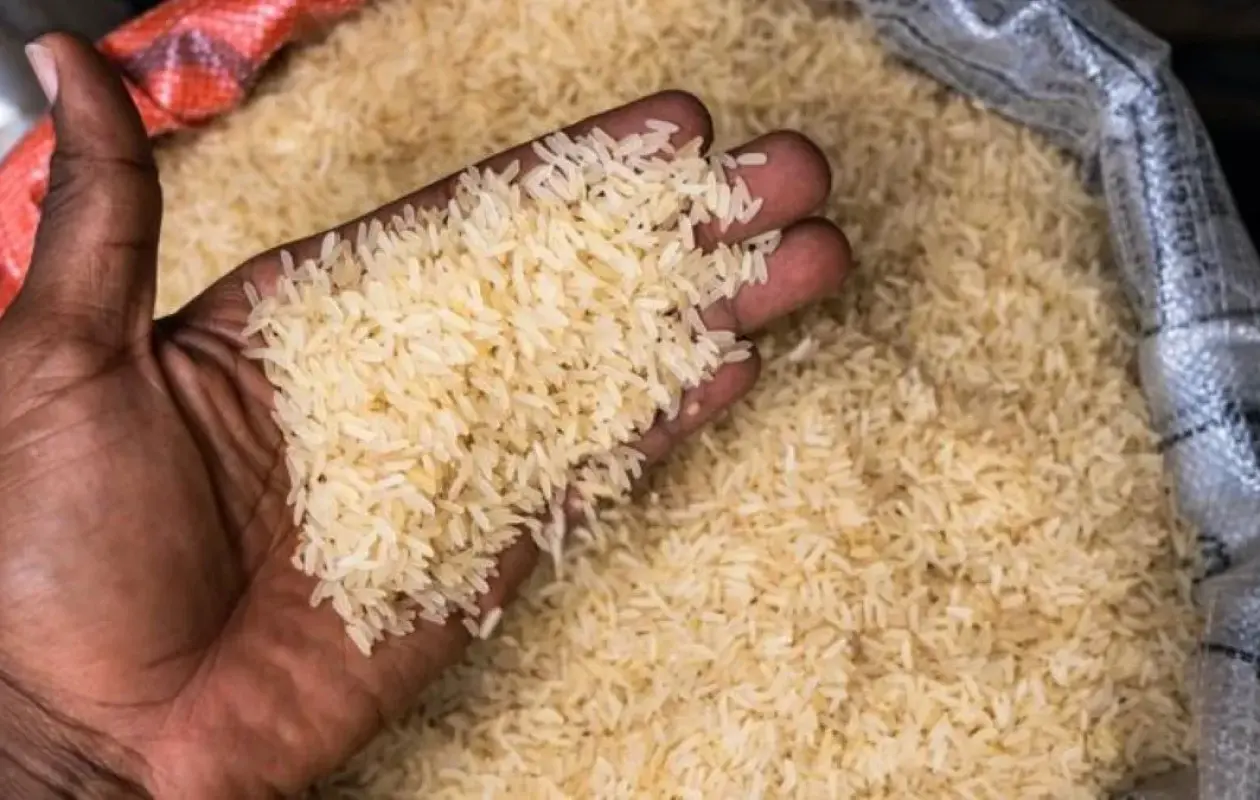
Polémique sur la qualité du riz : Babacar Béye de l'ITA explique pourquoi les conclusions du Centre antipoison sont inadaptées
The Poison Control Center recently presented the results of a study on aflatoxin contamination of rice, conclusions which you, as an expert, dispute. What are the specific points that are problematic?
Babacar Béye: The analyses were indeed carried out in the ITA's mycotoxin laboratory. These samples showed perfectly acceptable contamination levels according to Codex Alimentarius standards, which govern the maximum permitted levels of aflatoxins in food. The controversy surrounding this study stems solely from a difference in interpretation. In fact, the analysts at the Poison Control Center evaluated these results by referring to European Union regulations, which apply extremely stringent thresholds. Since this product was intended for local consumption by Senegalese citizens, it was inappropriate to apply European legislation to it.
Aflatoxins generally develop during inadequate drying or storage in humid environments. Does contamination occur in the field or during transport and storage?
Babacar Béye: The risk of aflatoxin contamination exists at all stages of the value chain, from field to plate. It can occur in the soil, during harvesting, drying, storage, processing, or during transport.
Does the traditional high-temperature cooking of rice eliminate these mycotoxins, or does the carcinogenic risk remain present in the consumer's food?
Babacar Béye: Unfortunately, cooking does not eliminate aflatoxins. These substances are heat-resistant, meaning they withstand very high temperatures. Consequently, traces of contamination can remain in traditional cooked dishes such as mafé, tiéré, or mboum.
Some observers regret that this study did not include a direct comparison with imported rice batches. Do you have data on these products, and what is your response to those who fear that these announcements will undermine the goal of self-sufficiency to the benefit of importers?
Babacar Béye: To put things in context, the rice implicated in this study is indeed imported rice. But again, the levels detected remain entirely within the Codex Alimentarius regulations. In reality, rice can be subject to aflatoxin contamination, but never at alarming levels, unless it is stored under particularly extreme temperature and humidity conditions.
Regarding the study revealing the presence of fecal bacteria in many brands of sachet water sold on the street, what is the ITA's technical diagnosis? Is it a problem with the treatment of the water source or poor hygiene conditions during packaging?
Babacar Béye: Regarding the water sachets, I have a personal analysis, but I cannot formally comment on it. Having not directly participated in this study, this area falls outside my direct expertise.
Between grain storage and drinking water control, the shortcomings of the health control system seem obvious. What emergency measures do you recommend to strengthen the distribution chain without penalizing small local producers and retailers?
Babacar Béye: It should be noted that health inspections are already carried out regularly in the field. However, it is essential to intensify and strengthen them to guarantee optimal protection of the health of the population and consumers.




















Commentaires (27)
Participer à la Discussion
Règles de la communauté
💡 Astuce : Utilisez des emojis depuis votre téléphone ou le module emoji ci-dessous. Cliquez sur GIF pour ajouter un GIF animé. Collez un lien X/Twitter, TikTok ou Instagram pour l'afficher automatiquement.
Se connecter
Commentez avec votre profil, votre photo, et soyez averti des réponses.