Révolution médicale à Dakar : Un traitement « Made in Senegal » redonne espoir à des millions de malades en Afrique
At 18, Mamadou Tahirou looks like a 12-year-old. His frail, emaciated figure bears witness to years of suffering caused by sickle cell disease. Today, a drug produced by a Senegalese laboratory—the first locally manufactured generic version of hydroxyurea on the African continent—is generating immense hope for treatment for young patients.
In an interview with AFP at his family home in Dakar, Mamadou, his eyes weary and his features etched with fatigue, recounts his daily life punctuated by the crises caused by this hereditary genetic disease, which affects nearly eight million people worldwide. Bone pain, severe anemia, extreme fatigue, and intense headaches regularly lead him to the hospital, under the helpless and tearful gaze of his 40-year-old mother, Rabiatou. These painful episodes sometimes occur in the middle of class, severely disrupting his schooling and forcing him to be absent from school frequently.
Africa alone accounts for nearly 80% of people living with sickle cell disease. Yet, the continent remains largely dependent on expensive treatments imported from Europe and America, notably hydroxyurea, the reference drug recommended by the World Health Organization (WHO). According to the UN agency, this treatment significantly reduces "painful crises, hospitalizations, the need for blood transfusions, and mortality."
The growing interest of several African countries
“I was three years old when I was diagnosed with sickle cell disease. Since then, I have lived with it,” Mamadou told AFP, sitting in the family living room.
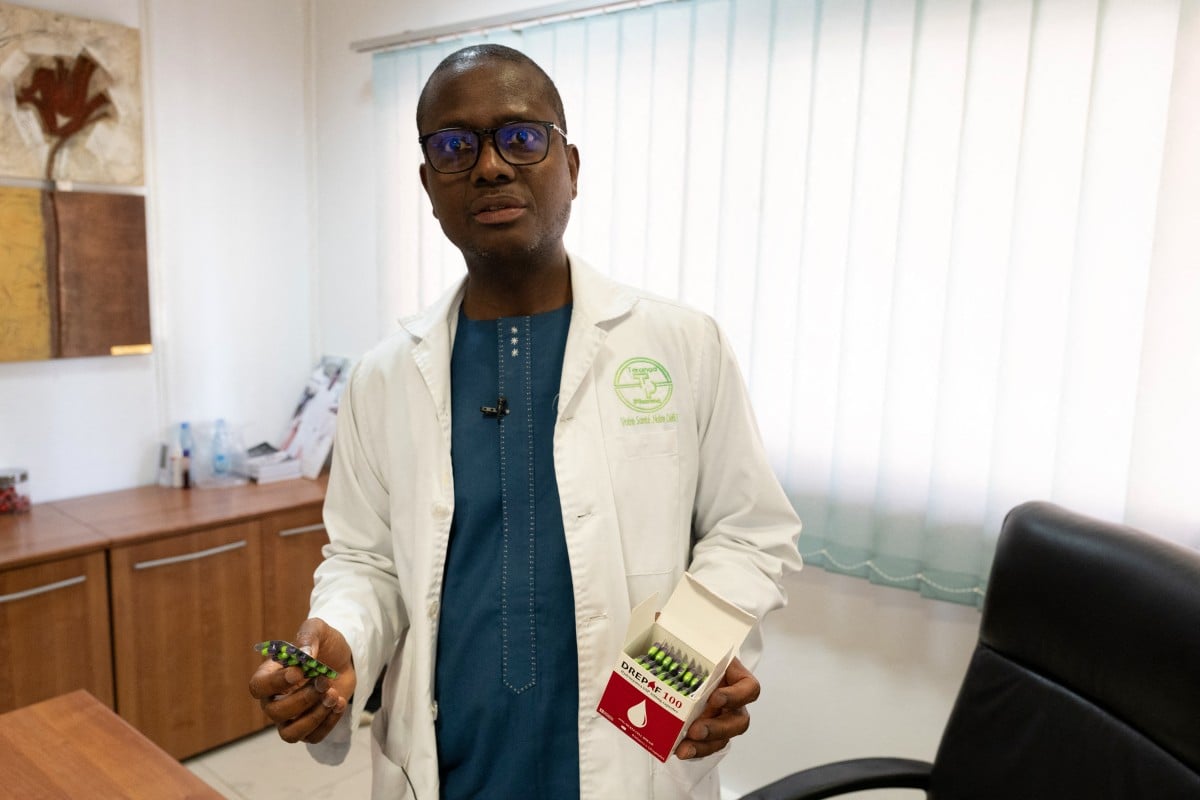
In Senegal, the pharmaceutical group Teranga Pharma has taken the gamble of investing in the production of a local treatment, more accessible and adapted to the realities of patients. In November 2025, the company launched Drépaf , available in 500 mg doses for adults and 100 mg doses for children, with the stated ambition of "reducing attacks by two-thirds".
This generic drug offers significant hope for addressing the shortage of suitable pediatric treatments and reducing dependence on significantly more expensive imported medications. The initiative is already generating considerable interest across the continent.
Funded to the tune of 4 billion CFA francs (approximately 6.1 million euros), this project launch comes amidst recurring logistical challenges. A study published in 2023 in Blood , the journal of the American Society of Hematology (ASH), revealed that 78% of healthcare professionals surveyed in 13 French-speaking sub-Saharan African countries reported frequent disruptions in the supply of hydroxyurea.
On the market, the two packagings of Drépaf are sold at 3,000 FCFA (4.60 euros) and 1,500 FCFA (2.30 euros) factory price respectively, while the specialties previously available, such as Hydréa or Siklos , cost up to three times more.
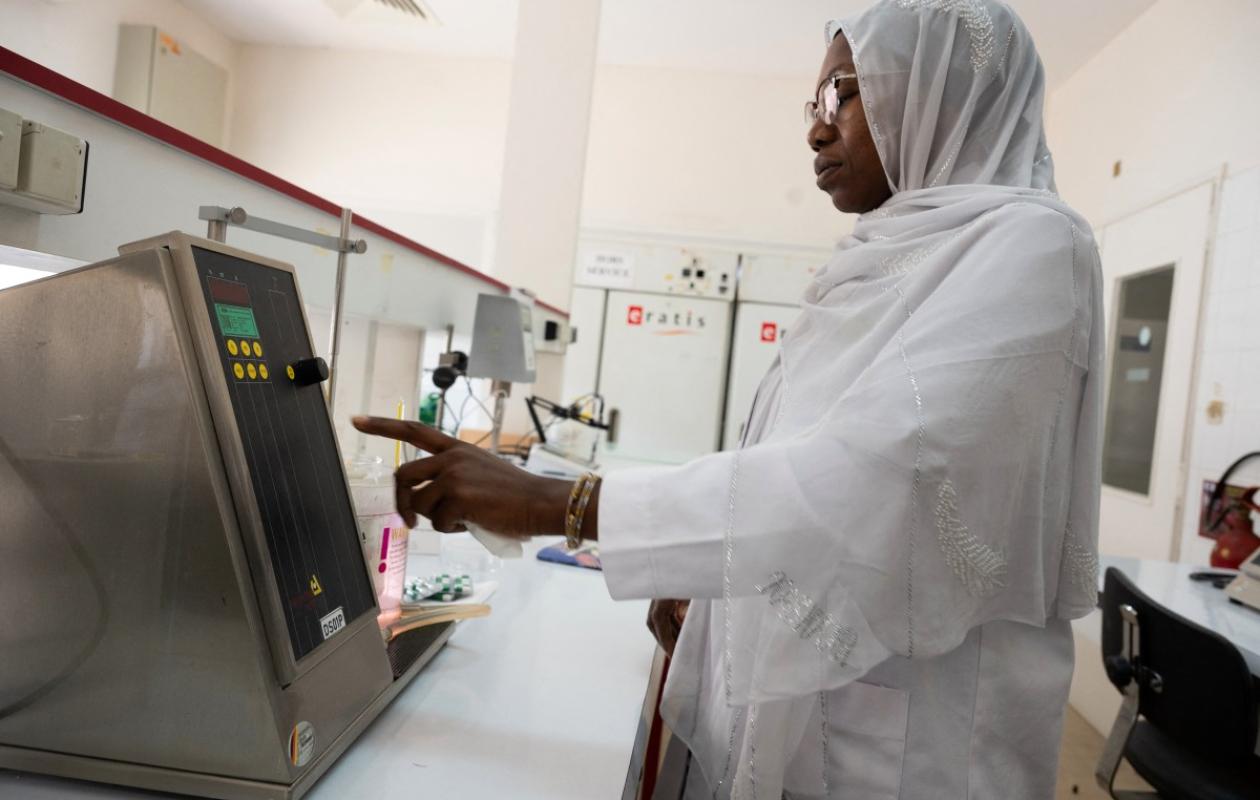
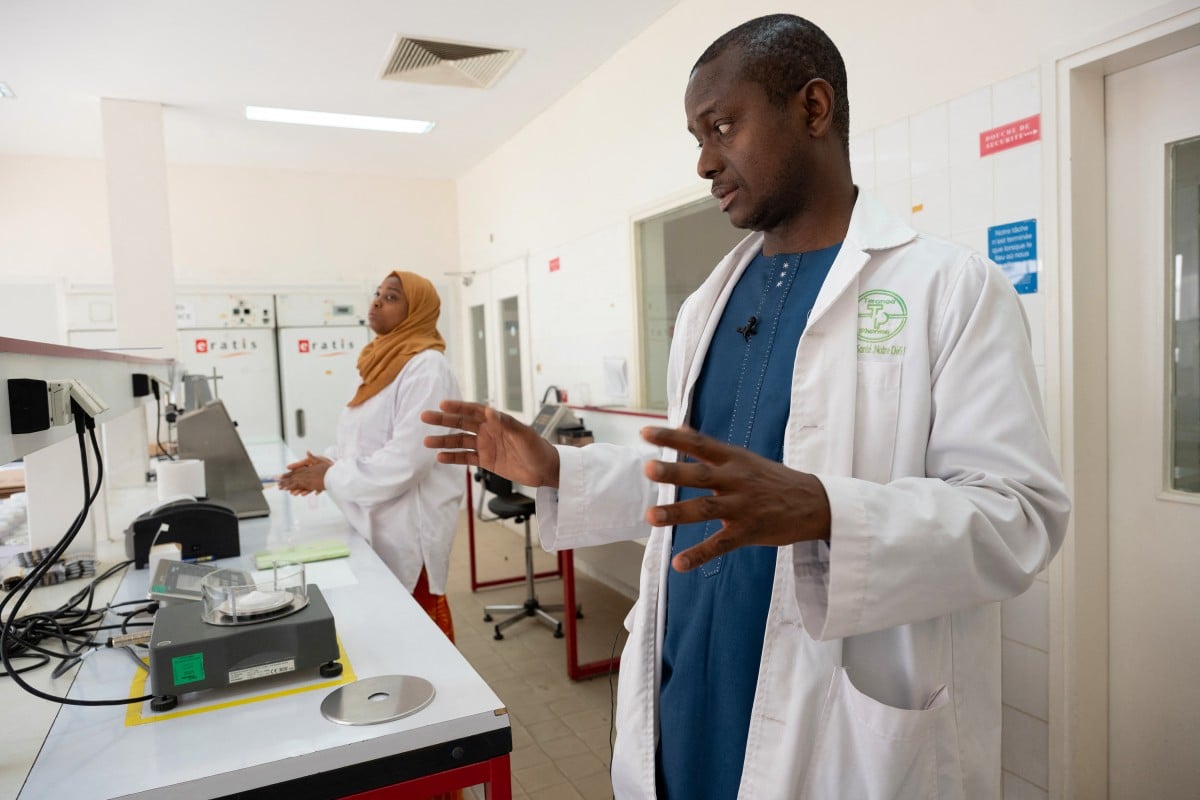
The managing director of Teranga Pharma, Dr. Mouhamadou Sow, a pharmacist by training, emphasizes that the pediatric formulation of Drépaf fills a legal and medical gap by enabling appropriate treatment from the age of nine months. "These children had no suitable pharmaceutical solution. Doctors often had to treat the consequences of the disease rather than being able to act at its source, at the level of the red blood cells," he explained to AFP from the 9,000-square-meter industrial site located in Mbao, on the outskirts of Dakar.
To scale up and supply the rest of the continent, the laboratory is collaborating with an Indian technical partner. "We are already working with Burkina Faso, Guinea and Ivory Coast," the company states, adding that it has received requests from Cameroon, Gabon and the Democratic Republic of Congo.
Reducing crises and improving daily life
Teranga Pharma's stated objective is to cover all demand in sub-Saharan Africa by 2030, fully aligning with regional pharmaceutical sovereignty dynamics.
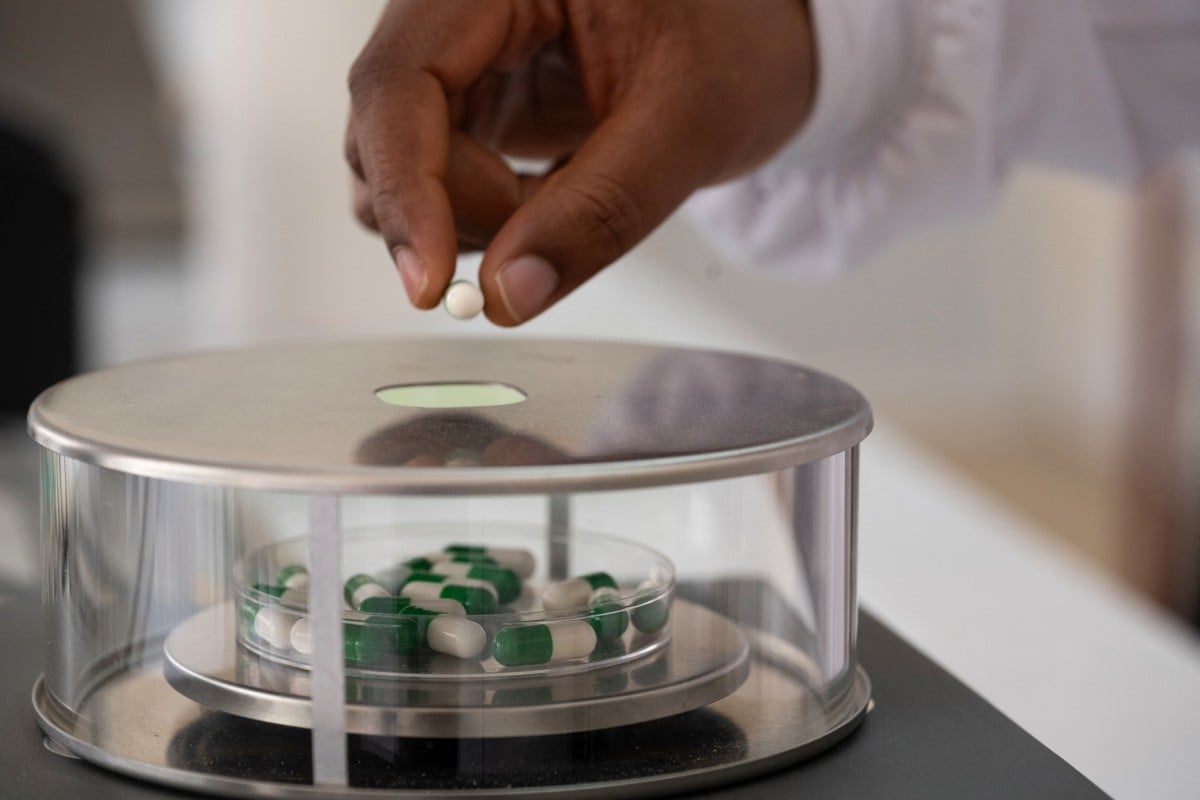
For Maguèye Ndiaye, president of the Senegalese Association for the Fight Against Sickle Cell Disease (ASD), Drépaf represents a major breakthrough, especially for children. "Until now, patients had to buy two boxes of 20 tablets. Now, a single box of Drépaf, containing 60 tablets, is enough for the same price," he explains.
Lala Dieng, mother of a 17-year-old boy diagnosed six years ago, testifies to the observed benefits: "The doctors prescribed Hydrea 500 to alleviate his seizures. Very recently, he switched to Drépaf 100 and I notice that he has far fewer seizures."
At the National Blood Transfusion Center (CNTS) in Dakar, Maguèye Ndiaye sees many patients whose quality of life has improved thanks to prevention and early or premarital screening. A carrier of the sickle cell trait and in his sixties, he has been campaigning for two decades to raise public awareness.
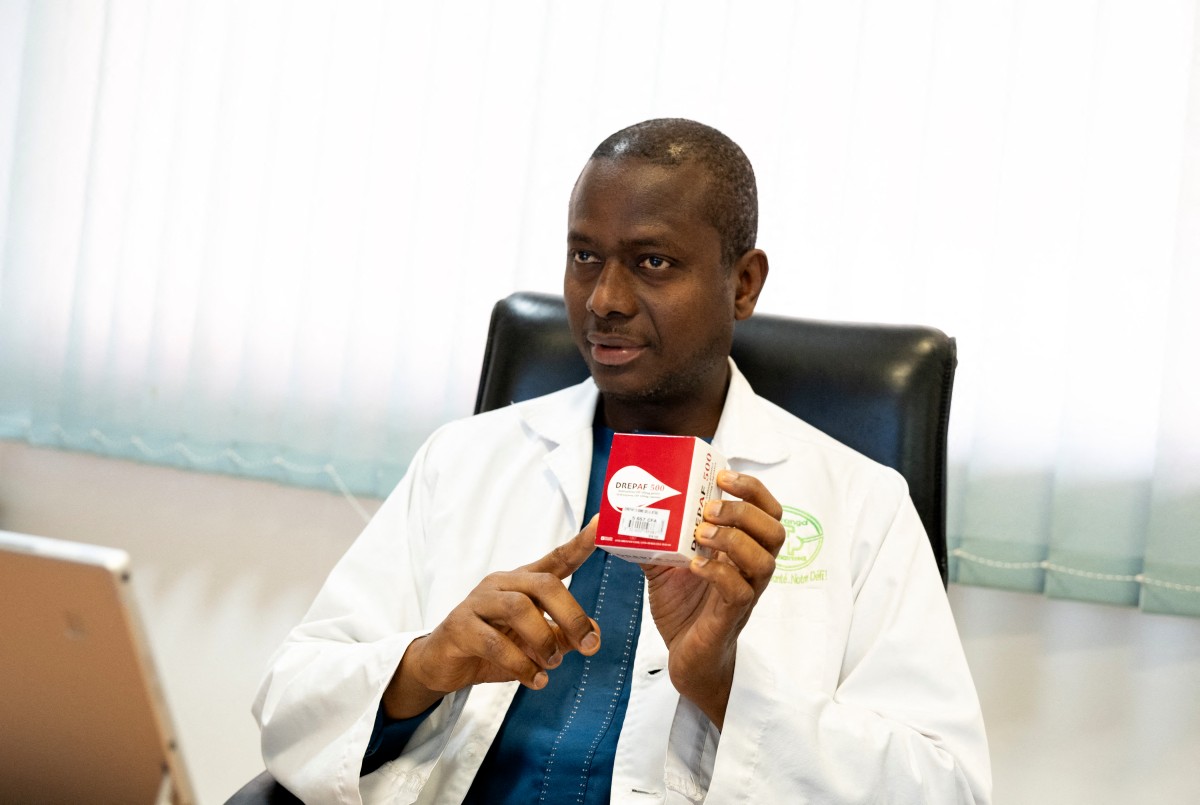
On the occasion of World Sickle Cell Day, celebrated on June 19, he brought together specialists from various backgrounds, reaffirming his conviction that comprehensive care — medical and psychosocial — remains the key to improving the quality and life expectancy of patients.

















Commentaires (4)
Participer à la Discussion
Règles de la communauté
💡 Astuce : Utilisez des emojis depuis votre téléphone ou le module emoji ci-dessous. Cliquez sur GIF pour ajouter un GIF animé. Collez un lien X/Twitter, TikTok ou Instagram pour l'afficher automatiquement.
Se connecter
Commentez avec votre profil, votre photo, et soyez averti des réponses.