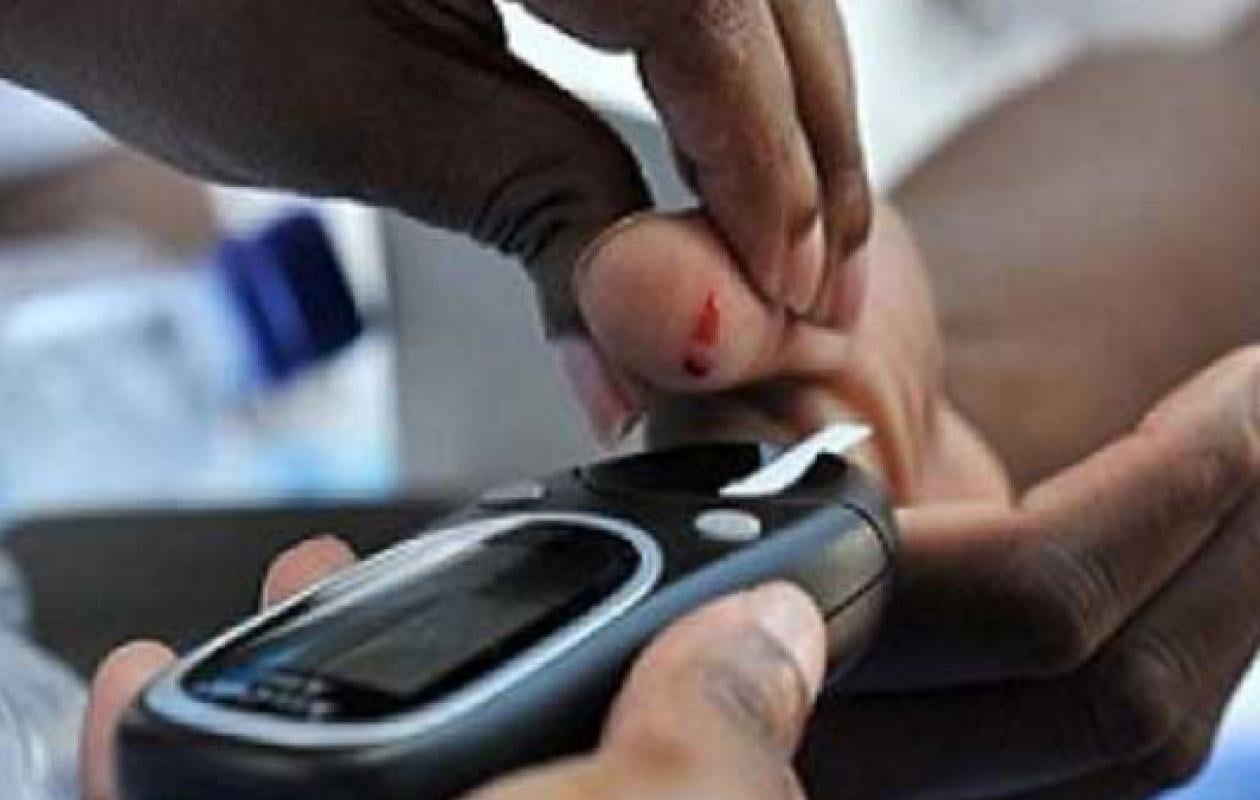
Ruptures d’insuline au Sénégal : l’inquiétude grandit chez les patients et les pharmaciens
For several months, access to certain insulins has become increasingly difficult in Senegal. Lantus and Abasaglar, two widely used treatments for diabetes management, are reportedly frequently out of stock in several pharmacies. This situation is worrying pharmacists and, above all, placing patients in a state of great uncertainty. This observation was reported by Dr. Thierno Dièye, a pharmacist at the Pharmacie Les Petits Anges in Diamniadio. According to him, pharmacies have little precise information to give patients about the duration of these shortages or the measures being considered to address them. "We have very little information to give to patients," the pharmacist laments. This difficulty takes on a particular dimension when it comes to treatments as essential as insulin.
A breakup that is not without consequences
For a diabetic person treated with insulin, the absence of medication cannot be considered a simple matter of unavailability at the pharmacy. The treatment directly contributes to maintaining blood sugar control, and its interruption or modification without medical supervision can expose the patient to complications. Faced with a shortage, the pharmacist may need to find a therapeutic alternative. However, changing insulin is not always a simple substitution. It may require a medical evaluation, dose adjustments, and patient monitoring. This is precisely where one of the main difficulties lies. When a patient can no longer find their usual treatment, they often need to consult their doctor before considering a change in their protocol. However, quick access to a medical consultation is not always guaranteed. "Changing treatment often requires medical advice. But we all know how difficult it can be to get a quick appointment with your doctor," emphasizes Dr. Dièye.
These disruptions could affect several product lines.
The concern is all the greater because the supply difficulties are not limited to Lantus and Abasaglar. Other insulin medications can also be hard to find, depending on the time of year and the pharmacy. This situation creates a real domino effect: the patient goes to the pharmacy, the prescribed medication is unavailable, the pharmacist has little visibility on when stock will be replenished, and the patient then has to seek a solution from their doctor or another pharmacy. For the families affected, every day counts.
The authorities were questioned.
Beyond the issue of immediate product availability, this situation raises the question of information. Pharmacists need to know the stock levels, the prospects for restocking, and, if necessary, the available alternatives in order to properly guide patients. Dr. Thierno Dièye is therefore calling on health authorities to provide clear answers regarding the measures taken to secure the insulin supply in Senegal. The question now is: what steps are being taken to prevent diabetic patients from being left without a treatment option? Because behind a stock shortage, there are patients waiting, families worried, and healthcare professionals seeking answers. For the latter, reliable and timely information has become as essential as the medication itself.



















Commentaires (7)
pastef est une calamité pour ce pays.
Participer à la Discussion
Règles de la communauté
💡 Astuce : Utilisez des emojis depuis votre téléphone ou le module emoji ci-dessous. Cliquez sur GIF pour ajouter un GIF animé. Collez un lien X/Twitter, TikTok ou Instagram pour l'afficher automatiquement.
Se connecter
Commentez avec votre profil, votre photo, et soyez averti des réponses.