
Santé bucco-dentaire au Sénégal : entre fléau sanitaire, impact mental et péril des pratiques illégales
World Oral Health Day is celebrated every March 20th. It's an opportunity to bring a major public health issue back to the forefront of the debate in Senegal. At this crossroads, health, social, and even psychological challenges are evident. In our country, official practices are still struggling to combat illicit oral health practices.
The situation remains problematic, as evidenced by the figures which have reached a certain scale.
An alarming situation in Senegal
Indeed, according to the World Health Organization, “more than 76% of Senegalese adults suffer from tooth decay and more than 72% from gum disease.” Even more concerning, “approximately 62% of the population does not seek dental care, revealing barriers related to accessibility, cost, and a lack of infrastructure.” These conditions, often trivialized, can nevertheless lead to “intense pain, infections, tooth loss, and are associated with non-communicable diseases such as diabetes, cancer, and cardiovascular disease.”
Noma, a symbol of extreme inequality
Among the most serious pathologies is noma, or cancrum oris, a gangrenous disease that primarily affects malnourished children under six years old. Present in Senegal, noma is a marker of extreme poverty. Without treatment, it can be fatal in 90% of cases. It destroys facial tissue and leads to severe physical and social consequences. Its persistence highlights inequalities in access to healthcare and the social determinants of health, particularly malnutrition and precarious living conditions.
When oral health affects mental health
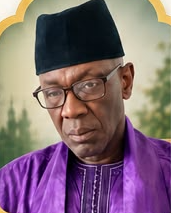
The Minister of Health and Social Action, Ibrahima Sy, emphasizes this interconnectedness. According to him, "stress affects both mental and oral health, while poor dental hygiene can worsen depression and deteriorate quality of life." Beyond physical pain, oral health problems have a direct impact on social life: difficulty smiling, loss of self-confidence, and social withdrawal. "Feeling embarrassed because of one's teeth can lead to social isolation," he warned.
Prevention and hygiene: advice from the experts
Faced with this situation, healthcare professionals emphasize prevention. Dental surgeon Myriam Thérèse Arlette Dia Ntab reminds us that oral health relies primarily on simple actions. She also recommends brushing regularly after each meal, reducing sugar and sugary drinks, regular dental checkups, and professional cleanings to prevent gum disease. She also cautions against certain misconceptions, particularly regarding tooth whiteness, which is partly due to natural characteristics.
Teeth whitening: a risky market
The quest for whiter teeth is fueling a booming market, particularly on social media, where whitening kits are sold without regulation. According to the specialist, "these practices are dangerous. Teeth whitening should remain a medical procedure, performed by a professional after diagnosis. If done incorrectly, it can weaken teeth and worsen existing problems." She also warns of the illegal practices of some unqualified individuals, who expose patients to significant risks to their oral health.
Progress has been made, but many challenges remain.
Despite these tensions, the Senegalese government has undertaken several initiatives: strengthening human resources, training primary healthcare workers, early detection of noma, and awareness campaigns in schools, Koranic schools (daaras), and prisons. However, challenges remain: insufficient dental infrastructure, limited financial access to care, a lack of reliable epidemiological data, and the slow implementation of preventive measures such as sugar reduction.
A necessary collective mobilization
In a context where oral diseases remain widespread and undertreated, authorities are calling for a general mobilization: healthcare professionals, policymakers, and the public. World Oral Health Day serves as a reminder that the mouth is not an isolated organ, but a reflection of overall health and social well-being.





















Commentaires (2)
Participer à la Discussion
Règles de la communauté
💡 Astuce : Utilisez des emojis depuis votre téléphone ou le module emoji ci-dessous. Cliquez sur GIF pour ajouter un GIF animé. Collez un lien X/Twitter, TikTok ou Instagram pour l'afficher automatiquement.
Se connecter
Commentez avec votre profil, votre photo, et soyez averti des réponses.