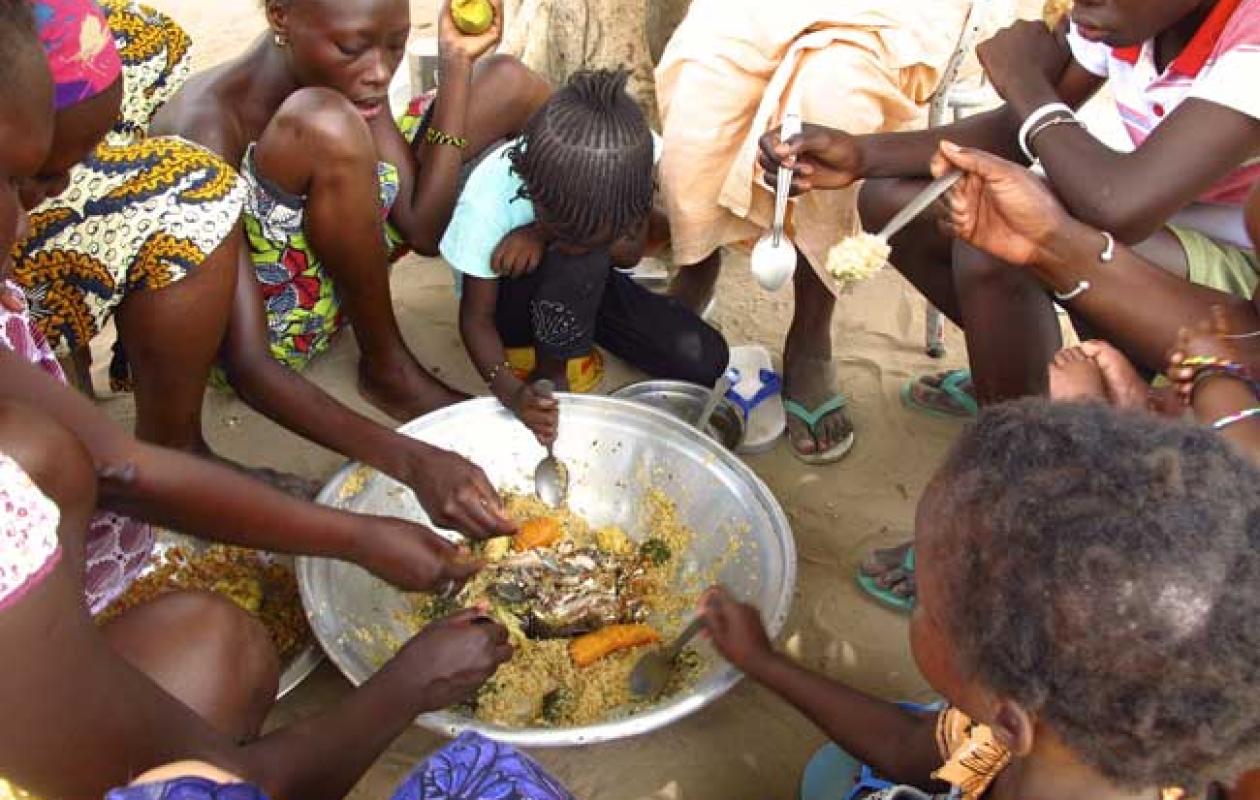
Sécurité sanitaire des aliments : Le Sénégal plaide pour un accès universel à une alimentation sûre
As part of International Food Safety Day (IFSD), the Codex Alimentarius Commission (CNC) organized the 5th annual Scientific Days on Food Safety on Tuesday, June 23. Under the theme "From Burden to Solutions: Universal Access to Safe Food," this event brought together policymakers, researchers, food industry professionals, consumers, and development partners around a common goal: ensuring universal access to safe food. This edition highlighted the persistent challenges related to foodborne illnesses.
According to the data presented, nearly 866 million people contract a foodborne illness each year, resulting in more than 1.5 million deaths worldwide. These illnesses are also responsible for some 57 million years of healthy life lost. These figures illustrate the significant health, social, and economic burden of food insecurity, both for households and healthcare systems.
Presiding over the opening ceremony, the Minister of Health and Public Hygiene, Ibrahima Sy, emphasized that food safety is a major public health issue today, particularly given the rise in non-communicable diseases such as hypertension, diabetes, and obesity. "These diseases are closely linked to our eating habits and our environment. It is therefore essential to ensure that the food we consume is not only nutritious but also free from any biological or chemical contamination," he stated.
The minister stressed the need to strengthen prevention and awareness strategies in order to better inform the public about the risks associated with consuming contaminated food: "In our society, we need to be able to truly know what we consume and how what we consume can impact our health. We also need to provide people with solutions so that they can change their eating habits themselves," he emphasized.
According to the minister, children are among the most vulnerable groups and must be a priority target for communication campaigns. To this end, he emphasized the importance of research and innovation for improving food safety: "Science remains our compass. It allows us to identify hazards, understand the mechanisms of contamination, assess risks, and guide public policy," he explained.
Ibrahima Sy called for greater mobilization of researchers and young scientists, considered essential intermediaries with communities to disseminate reliable information and encourage lasting behavioral changes.
Speaking at the event, the Chairman of the National Codex Committee, Professor Amadou Diop, noted that this day was part of a series of activities designed to raise public awareness and mobilize all stakeholders. He commended the progress made in recent months thanks to collaboration between national institutions and technical and financial partners, particularly the FAO and Luxembourg.
Among the actions undertaken are capacity building for stakeholders in the food chain, training for inspectors responsible for monitoring food establishments, and promoting good hygiene practices, particularly in the street food sector. "Food safety is built every day on the ground thanks to the commitment of all stakeholders," he stated. He also encouraged students and young researchers to continue their work in service of public health. "You represent the future of our country's scientific community. Continue to produce useful, rigorous research that addresses the real needs of the population," he urged them.
FAO representative Zoéwindé Henri-Noel Bouda reaffirmed the institution's commitment to promoting safe and healthy food. He noted that foodborne illnesses continue to place a heavy burden on health systems and economies, particularly in Africa. According to him, children under five years of age bear 29% of the consequences, with 143,000 deaths in 2021. "Our African continent continues to bear a particularly large share of this burden," he stated.
He highlighted the Luxembourg-funded regional project GCP/SFW/517/LUX, which supports West African countries in monitoring contaminants and developing national control plans focused on priority risks. "It is essential to support the gradual formalization of the street food sector and to more systematically promote risk-based control approaches to guarantee every citizen access to safe food, which is a collective responsibility," he added.
























Commentaires (4)
Participer à la Discussion
Règles de la communauté :
💡 Astuce : Utilisez des emojis depuis votre téléphone ou le module emoji ci-dessous. Cliquez sur GIF pour ajouter un GIF animé. Collez un lien X/Twitter, TikTok ou Instagram pour l'afficher automatiquement.