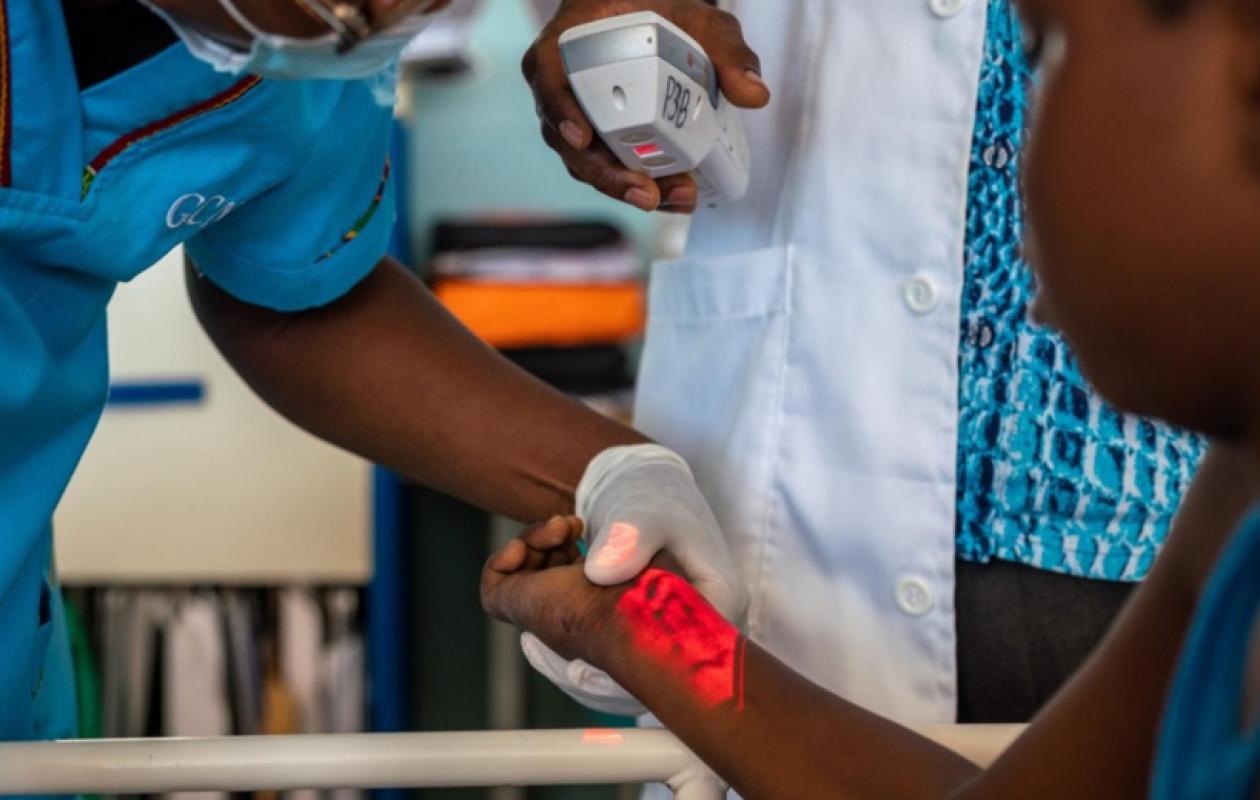
« Septembre en Or » : 800 à 1 200 nouveaux cas de cancer chez l'enfant chaque année au Sénégal
Taking advantage of the international childhood cancer awareness month, "Golden September", the Action Femme Enfant contre le Cancer (AFEC) "calls on the Senegalese media to play their full role in the fight against this disease which is still too often misunderstood and diagnosed late".
According to Executive Director Diarra Guèye Kébé, the World Health Organization's findings are unequivocal: in high-income countries, more than 80% of children with cancer are cured, compared to less than 30% in many low- or middle-income countries.
The goal is a survival rate of at least 60% by 2030.
She reports that estimates relayed by WHO Africa indicate that "the survival rate of childhood cancer in sub-Saharan Africa is only about 20%".
“These discrepancies are explained in particular by late diagnosis, difficulties in accessing an accurate diagnosis, inaccessible treatments and treatment abandonment, factors directly linked to the lack of information for families. Faced with this situation, the WHO, with the Global Initiative to Combat Childhood Cancer launched in 2018 with the support of St. Jude Children's Research Hospital, has set itself the objective of a survival rate of at least 60% by 2030. Senegal is one of the pilot countries of this initiative,” she says.
According to the official data sheet attached to the press release, between 800 and 1,200 new cases of childhood cancer are diagnosed each year in Senegal. However, only 250 children are treated annually at the Pediatric Oncology Unit (POU) of Dalal Jam Hospital.
Between 2016 and 2020, 1,134 children were treated by the Dalal Jam UOP. During this period, "45% of the cases treated involved three major cancers: leukemia, nephroblastoma (kidney) and retinoblastoma (eye)."
AFEC argues: "In other words, only one in three to four diagnosed children in Senegal currently has access to specialized care."
"The press is not simply an observer of this cause: it is a central player."
“Senegal has been a pilot site for the WHO Global Initiative Against Childhood Cancer since 2021, and in May 2025 joined the Global Platform for Access to Childhood Cancer Medicines (GPACCM), led by the WHO and St. Jude Children's Research Hospital, to secure access to essential medicines.”
Diarra Guèye Kébé explained that "this edition of September in Gold is part of AFEC's 2026-2030 Strategic Plan, which places early detection and institutional advocacy at the heart of its work." Furthermore, she "works alongside institutions such as the Pediatric Oncology Unit (UOP) of Dalal Jam Hospital, the GFAOP, the Ministry of Health, WHO Africa, and St. Jude Children's Research Hospital."
For AFEC, "the press is not simply an observer of this cause: it is a central player." The press release adds: "An article, a report, or a broadcast can be the catalyst that prompts a family to seek medical help in time, and every month gained in the diagnosis is crucial, given such a significant gap in survival rates."
The organization invites newsrooms, journalists and presenters to raise awareness of the disease: to relay the warning signs of childhood cancer to the general public, to collect testimonies: to give a voice to families and survivors to humanize this cause, to support advocacy: to question public decision-makers on the resources allocated to the fight against pediatric cancer and to actively participate in the campaign and activities of Gold September.




















Commentaires (0)
Participer à la Discussion
Règles de la communauté
💡 Astuce : Utilisez des emojis depuis votre téléphone ou le module emoji ci-dessous. Cliquez sur GIF pour ajouter un GIF animé. Collez un lien X/Twitter, TikTok ou Instagram pour l'afficher automatiquement.
Se connecter
Commentez avec votre profil, votre photo, et soyez averti des réponses.