
Urgences médicales : Pourquoi le SAMU National dénonce un déploiement précipité vers Pikine et Thiès
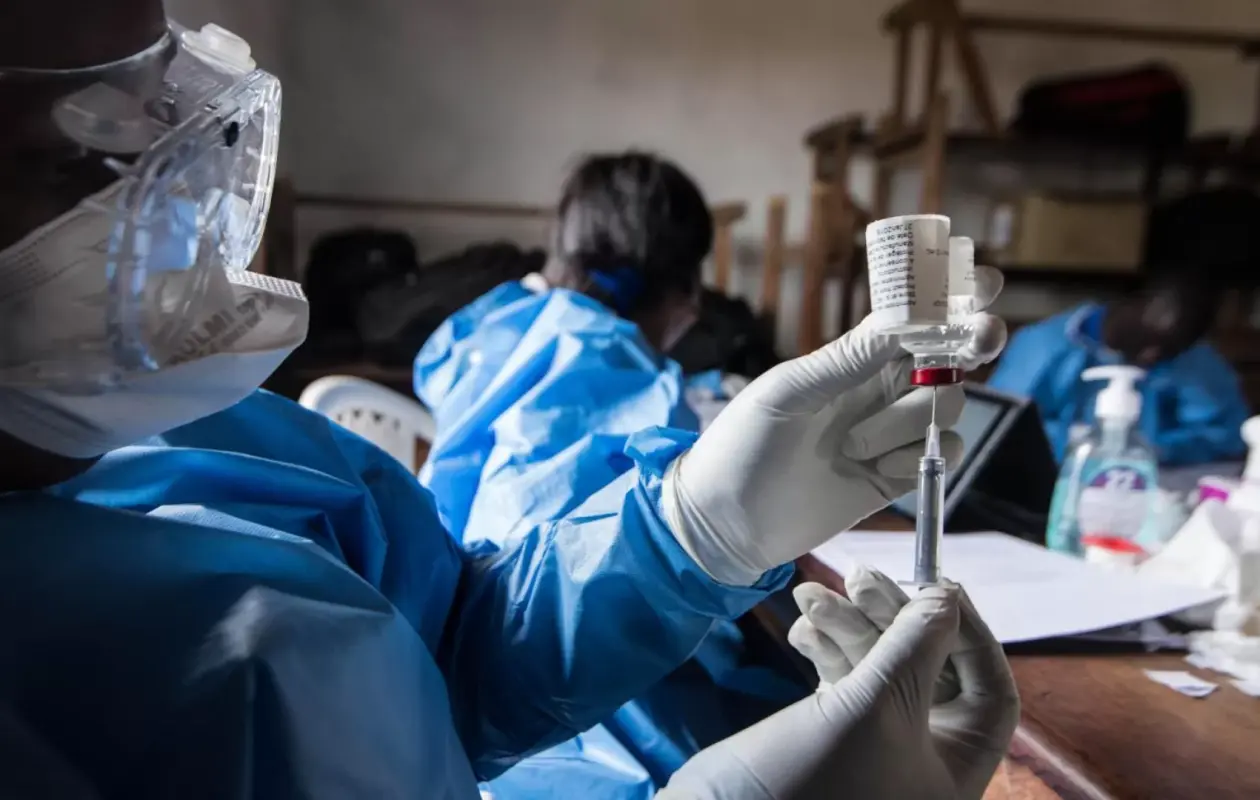
Amid rapid expansion of the system and internal tensions, medical sources describe an organization under pressure and decisions deemed controversial. The strategy for expanding Mobile Emergency and Resuscitation Services (SMUR), particularly with the deployment in Pikine and the announced project in Thiès, is raising serious questions within the Senegalese emergency medical system. Several staff members of the National Emergency Medical Service (SAMU) describe internally a rapid deployment dynamic that is not sufficiently aligned with the actual operational capabilities of the system.
These deployment choices are raising questions internally.
According to an anonymous source within the National Emergency Medical Service (SAMU), the principle of territorializing mobile emergency and resuscitation units (SMUR) is not contested. However, its current implementation is considered "unbalanced" and insufficiently prepared. This source cites decisions made without up-to-date health data or a comprehensive performance evaluation of the Pikine SMUR. The source believes that feedback, crucial in this type of reform, remains limited or underutilized.
A National Emergency Medical Service (SAMU) under structural strain
According to information gathered from several staff members, the National Emergency Medical Service (SAMU) operational base, located at Fann Hospital in Dakar, is operating under chronic strain. Another internal source indicates that the number of available doctors is insufficient to meet the actual needs for emergency response. This constraint leads to the frequent use of medical students or interns to cover certain shifts. In some cases, the same source adds, interventions are initiated or carried out with a team that does not always include a doctor on site, a situation described as "structurally risky" for the management of life-threatening emergencies.
The Pikine Mobile Emergency and Resuscitation Service (SMUR), presented as a local service designed to improve emergency response, is also reportedly facing operational limitations. An internal source indicates that hospital teams, already stretched thin by regular emergency care, do not always have the necessary personnel to simultaneously handle SMUR missions. This dual workload is said to be causing significant staff fatigue and reduced operational availability, affecting, according to staff, the continuity and quality of emergency response.
The announcement of a future hospital-based mobile emergency and resuscitation unit (SMUR) in Thiès, even before the existing system in Pikine has been consolidated, is seen internally as a potential turning point. According to a source close to the system, this new project is being launched without fully addressing the existing structural difficulties. This approach, the source added, could exacerbate the fragmentation of the emergency medical system instead of strengthening it.
Governance decisions at the heart of the criticism
Beyond the technical constraints, several interviewed staff members pointed to a governance issue within the system. Some felt that the imperatives of institutional communication and territorial visibility could, in certain cases, take precedence over the actual needs on the ground. "We're multiplying structures without consolidating the foundation," summarized one internal source, who called for a comprehensive reassessment of the emergency medical services architecture.
Within the National Emergency Medical Service (SAMU), one question keeps recurring: is the current model for expanding Mobile Emergency and Resuscitation Units (SMUR) sustainable without prior reinforcement of human resources, equipment, and logistics? Sources contacted advocate for an independent audit of the Pikine facility, a rigorous assessment of the needs of the Dakar SAMU, and a strategic pause in new deployments to consolidate existing resources. Otherwise, they warn, the risk is further weakening an already strained system and compromising the quality of emergency care for life-threatening situations.



















Commentaires (2)
Participer à la Discussion
Règles de la communauté
💡 Astuce : Utilisez des emojis depuis votre téléphone ou le module emoji ci-dessous. Cliquez sur GIF pour ajouter un GIF animé. Collez un lien X/Twitter, TikTok ou Instagram pour l'afficher automatiquement.
Se connecter
Commentez avec votre profil, votre photo, et soyez averti des réponses.