Ziguinchor : Amy Mara Dièye dessine la nouvelle feuille de route de la pêche
During a visit to Ziguinchor, the Minister of Fisheries and Maritime Economy, Amy Mara Dièye, placed Casamance at the heart of the restructuring of the Senegalese fishing sector.
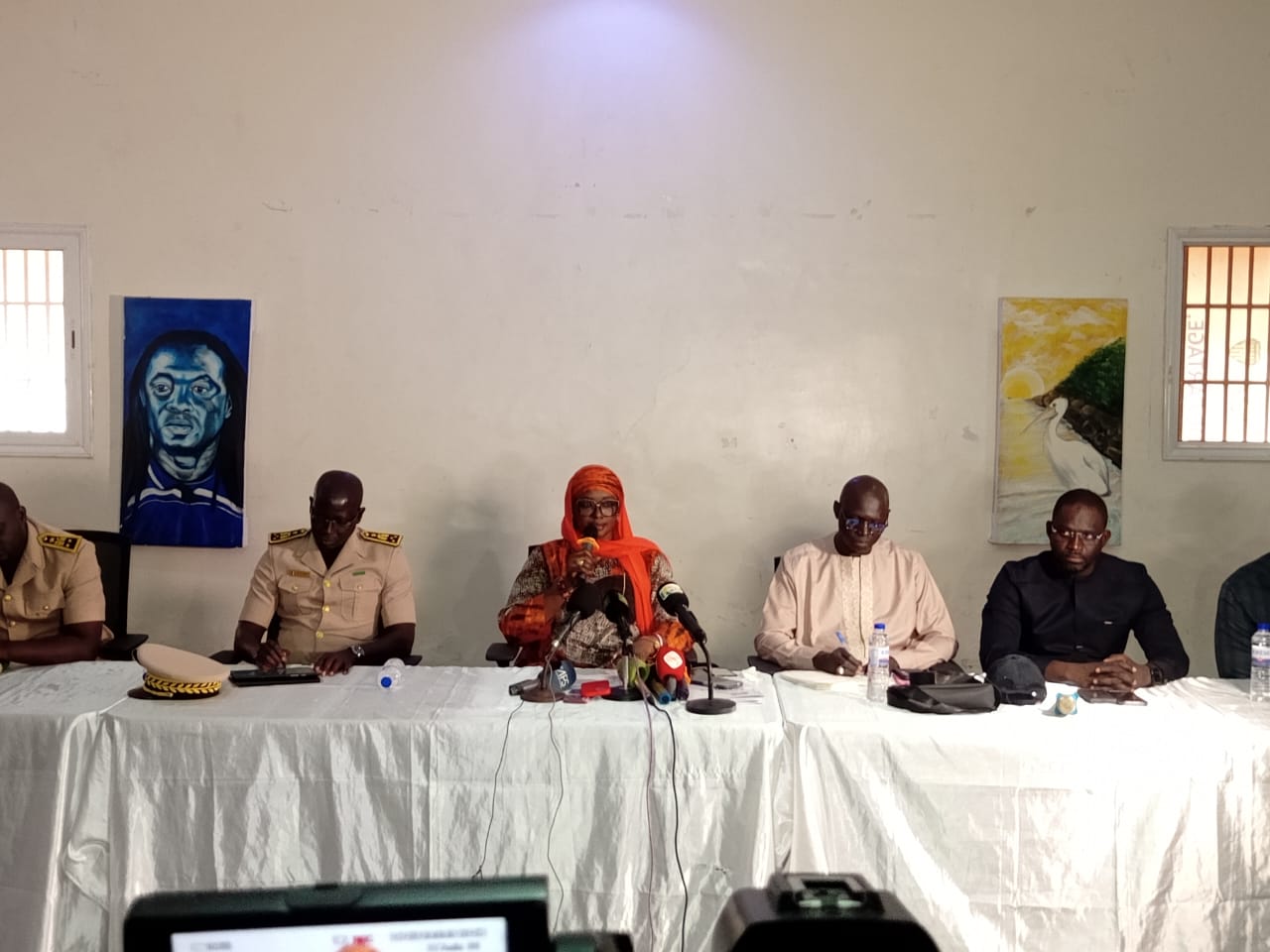
The Minister of Fisheries and Maritime Economy chaired a consultation workshop yesterday aimed at informing the future sectoral policy letter of the ministerial department she heads.
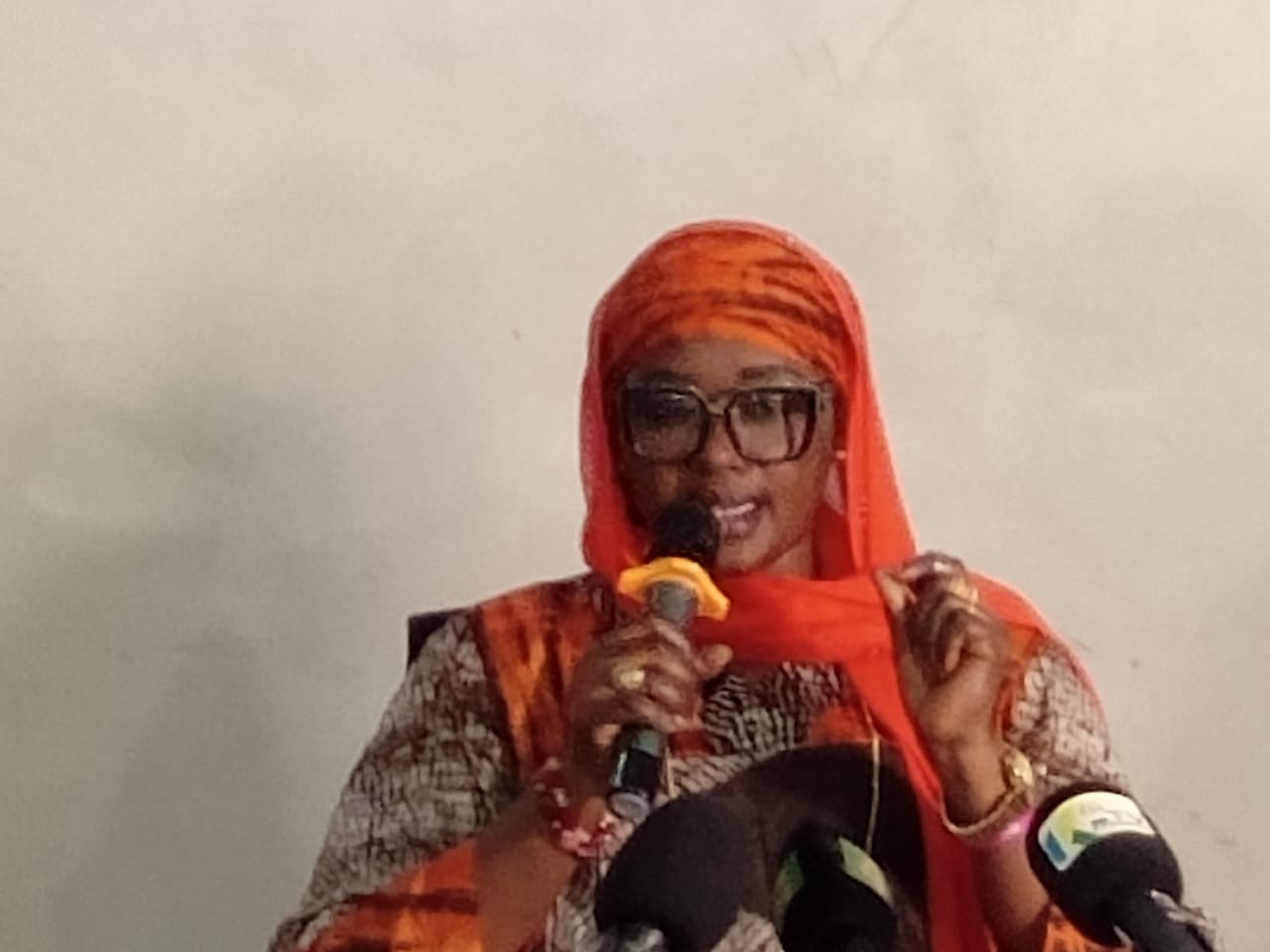
Through this participatory approach, Amy Mara Dièye aimed to gather the concerns and proposals of stakeholders in order to develop a public policy that aligns with the realities on the ground. Discussions focused on several major challenges, including the sustainable management of fisheries resources, the development of aquaculture, the modernization of infrastructure, the processing of fishery products, youth employment, and strengthening the economic role of women.
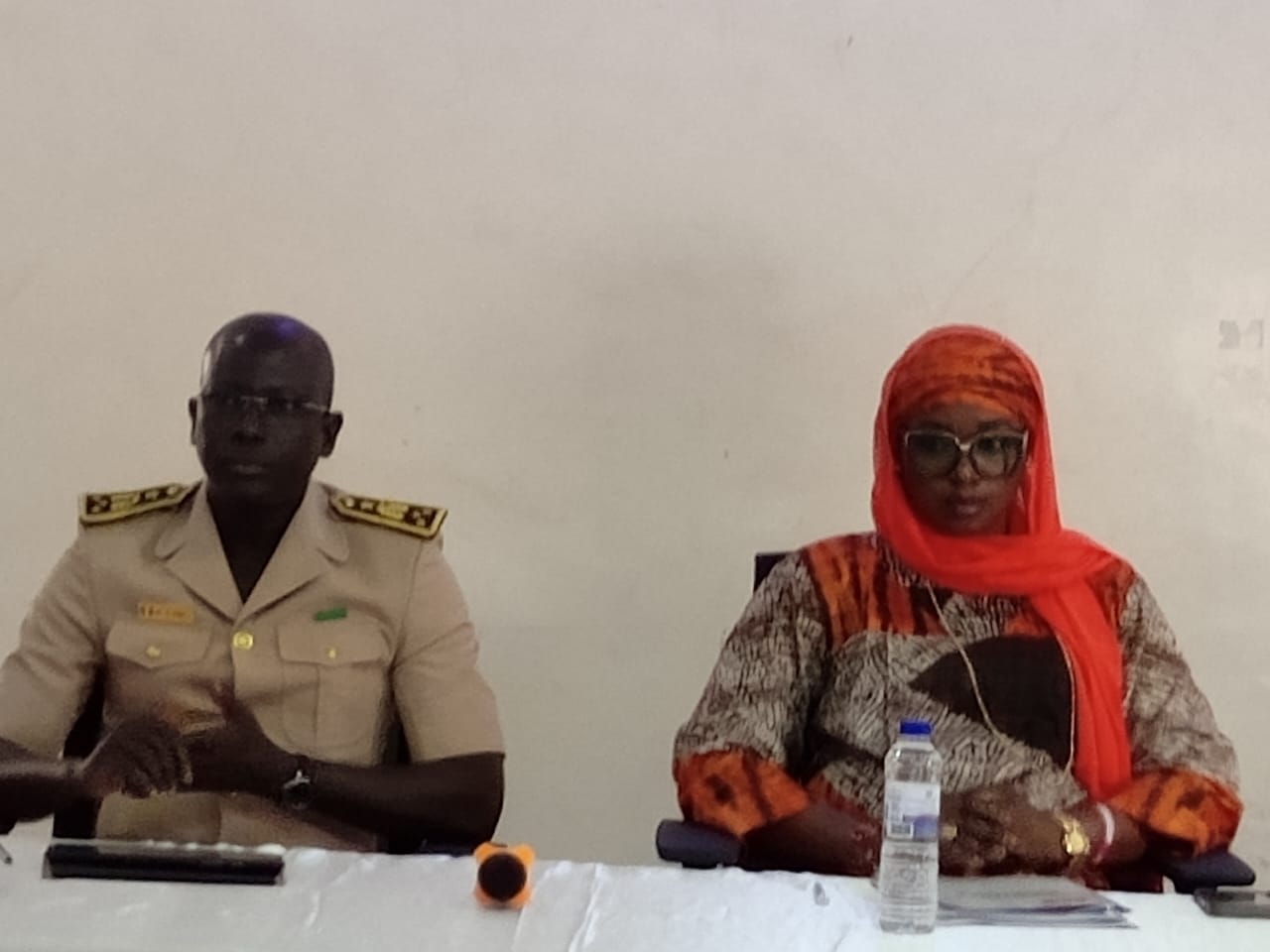
The minister recalled that this new direction is part of the ambitions of the "National Transformation Agenda" and aims to make the fisheries sector and the maritime economy an engine of growth and food sovereignty.
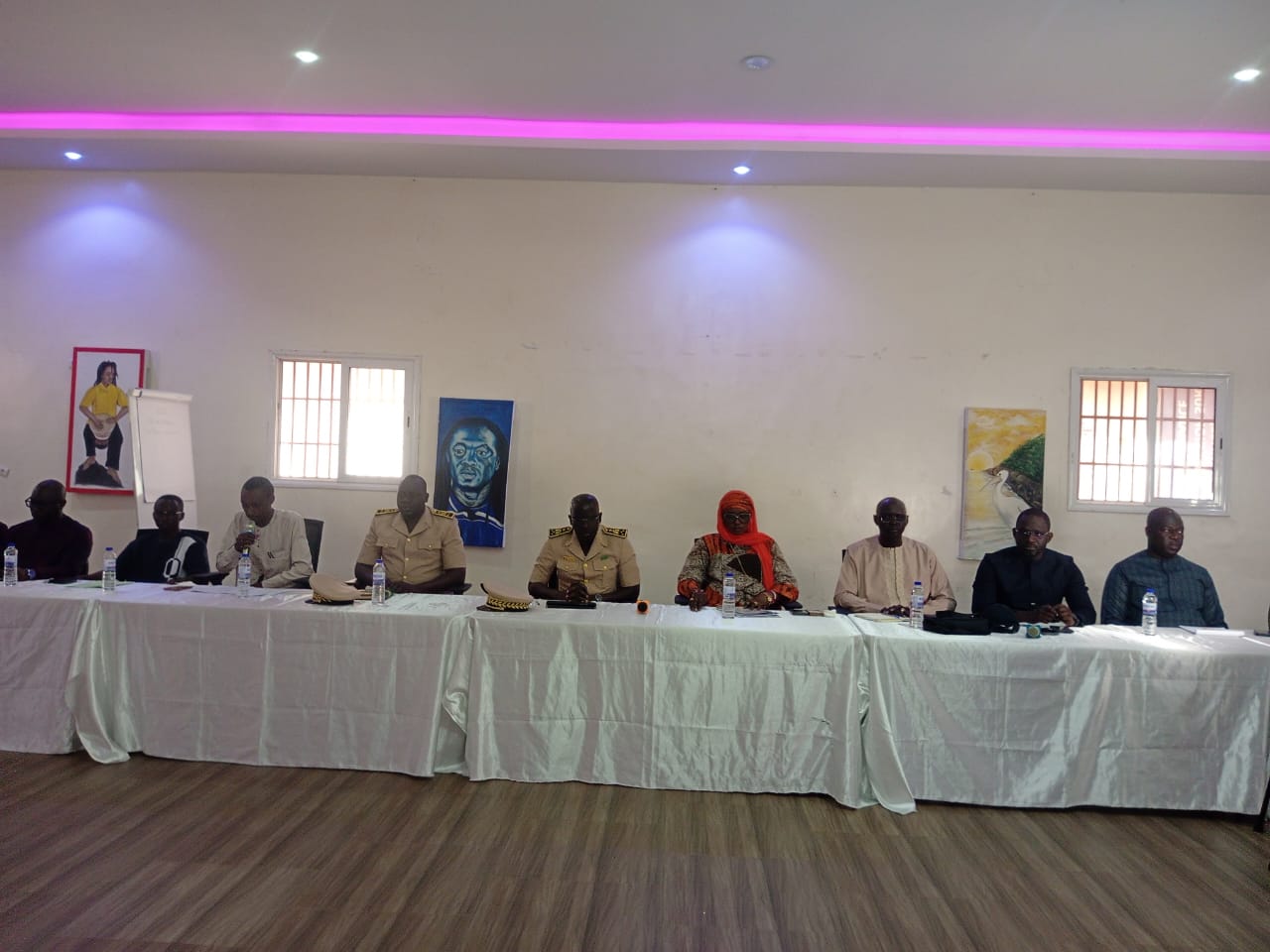
"Our vision is to build a sector that fosters sustainable growth, creates jobs, guarantees food security and is capable of contributing more to the structural transformation of our economy," she said.
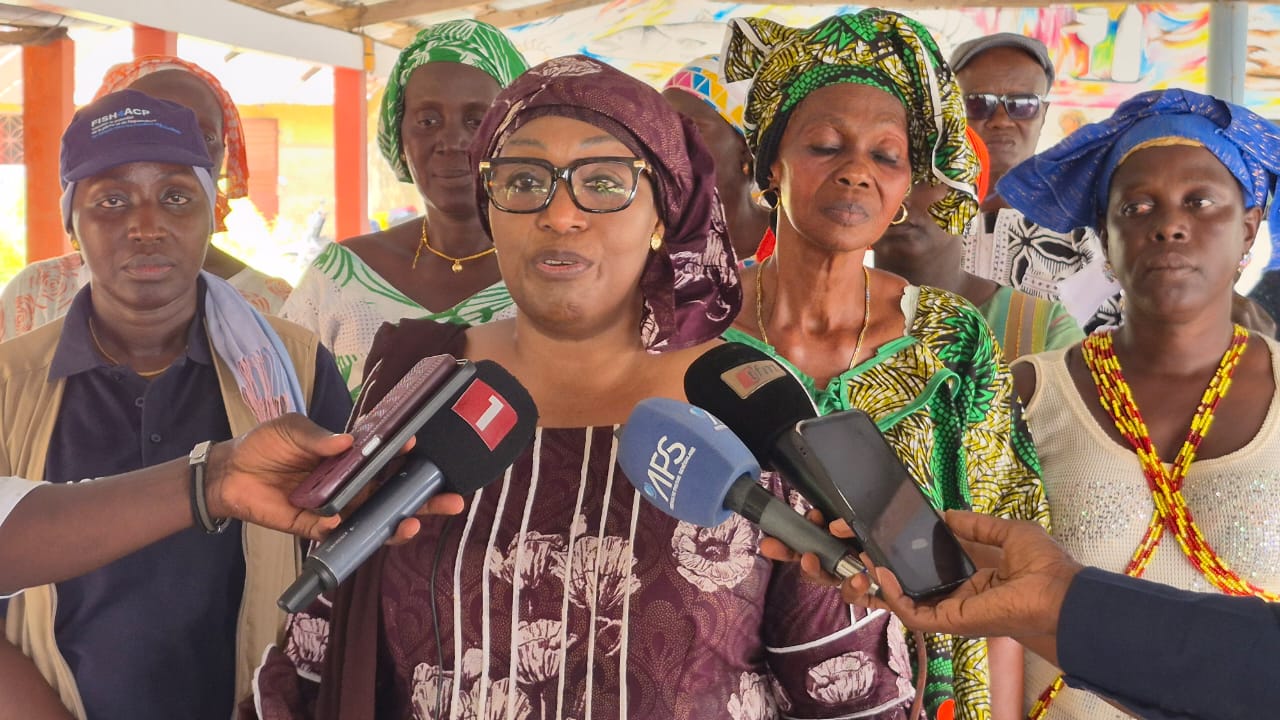
During the discussions, several participants emphasized the need for greater support for young people and women, particularly in terms of financing, modern equipment, conservation infrastructure, and market access. In response, the minister advocated for productive investments capable of generating tangible results on the ground through the creation of modern processing units, efficient conservation centers, and infrastructure tailored to the needs of professionals.
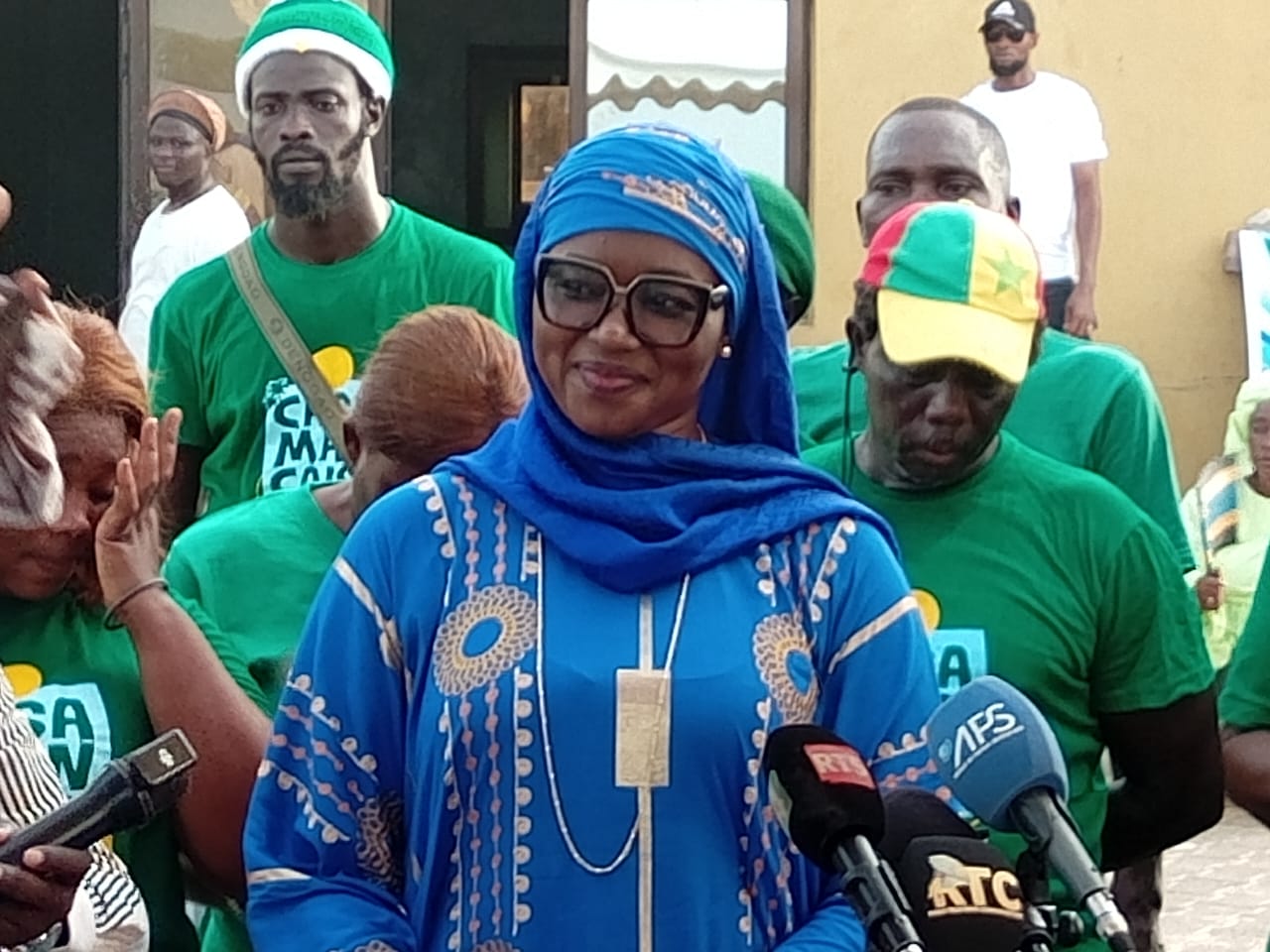
Equipment for women transformants
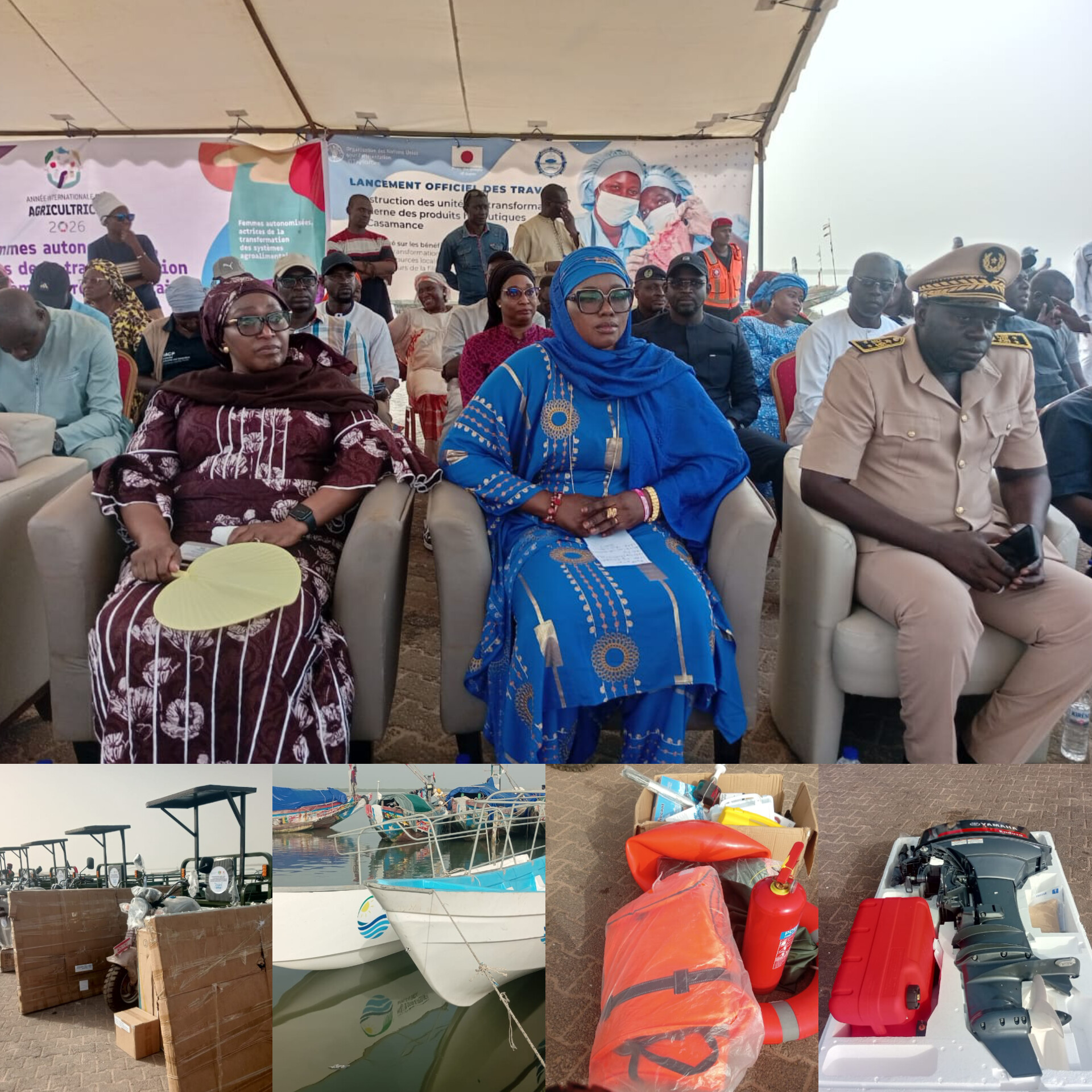
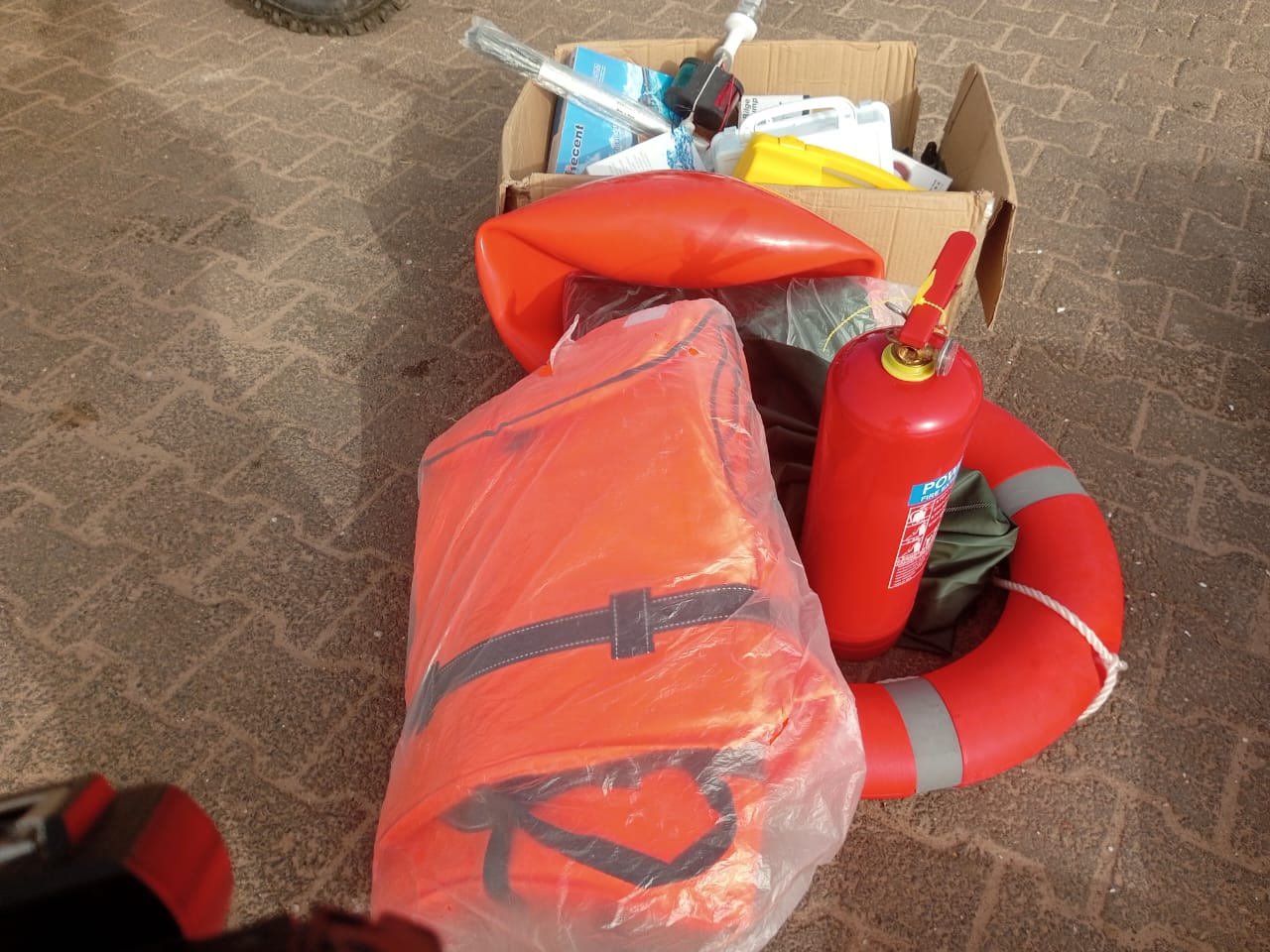
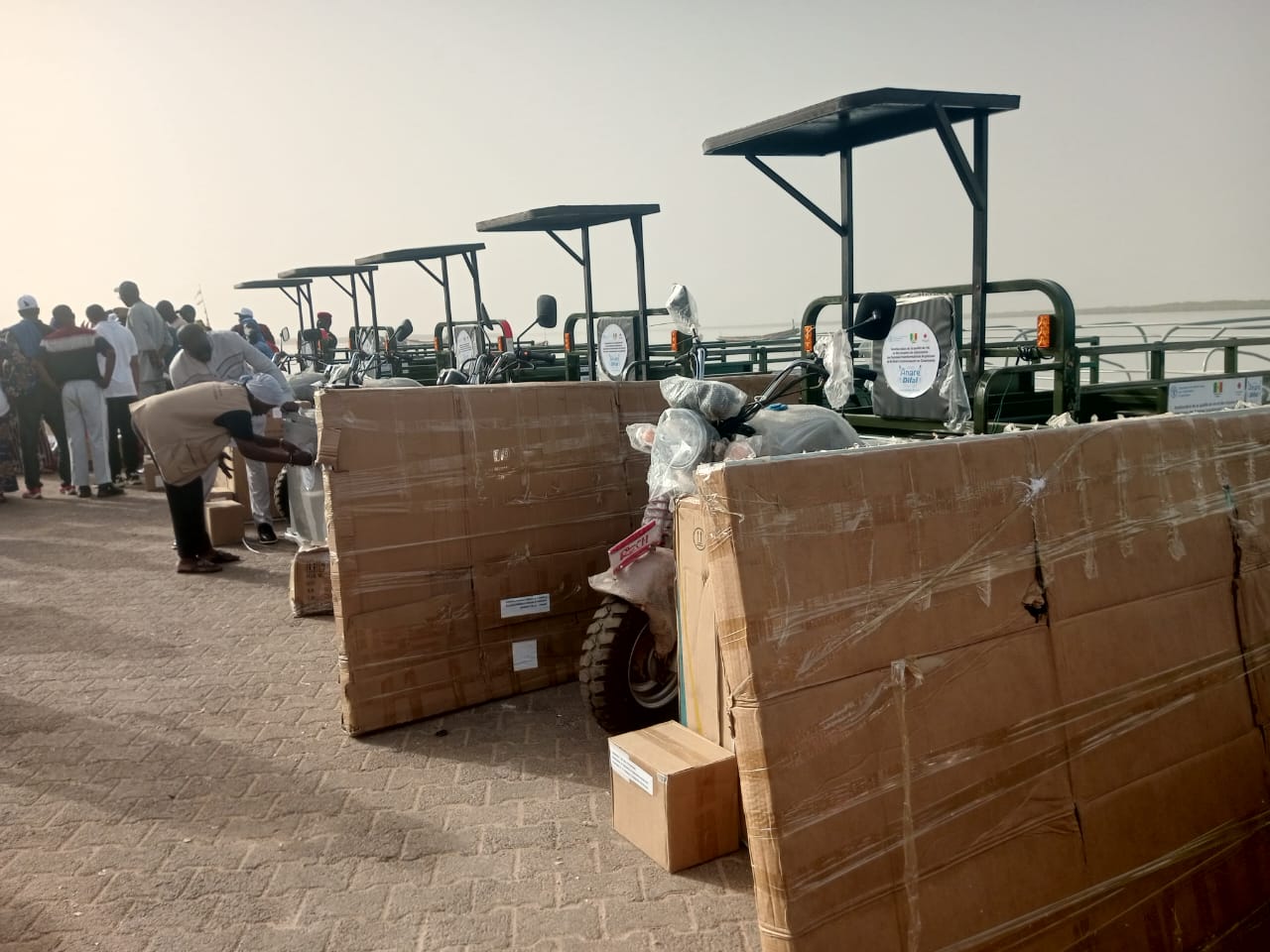
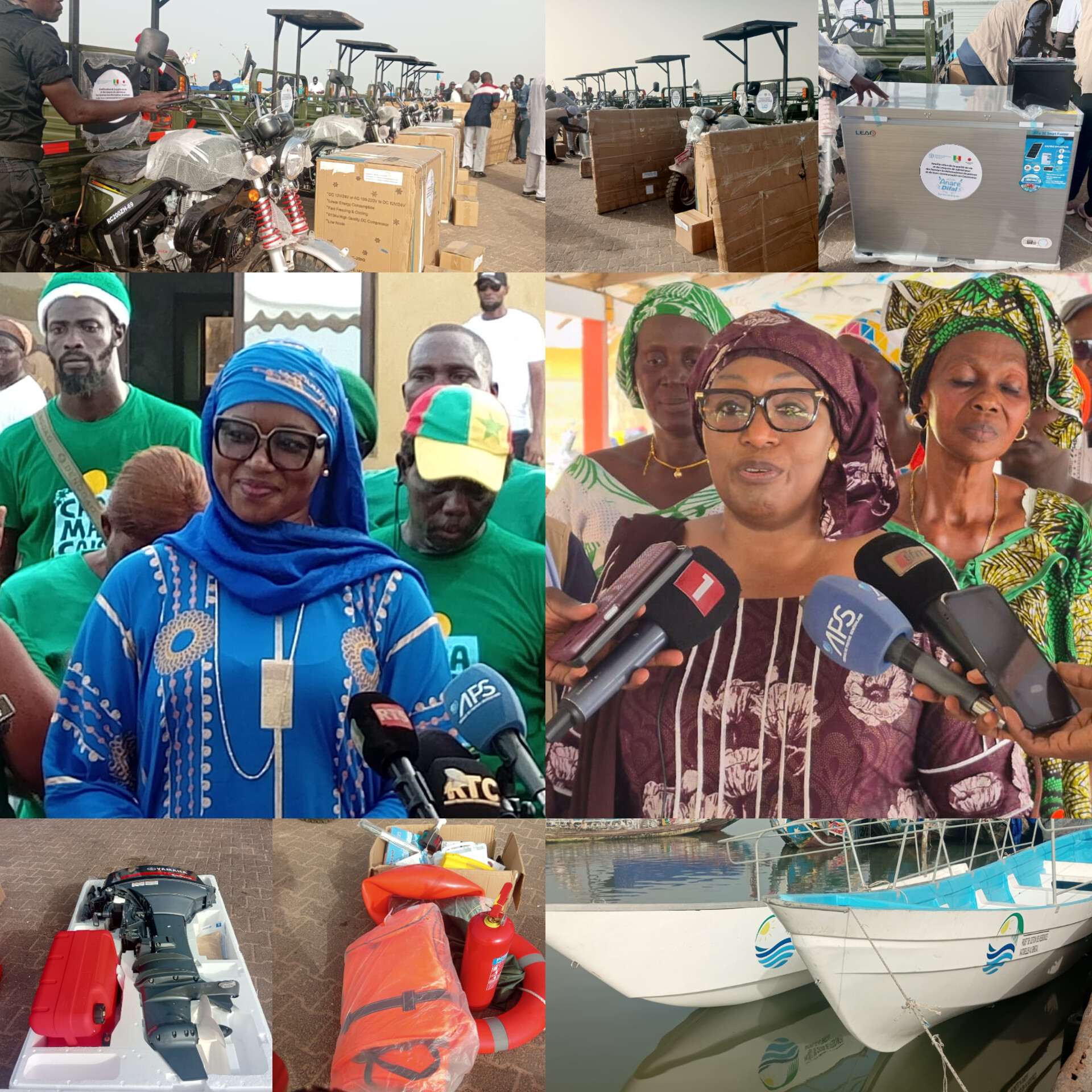
During her tour of the southern part of the country, Amy Mara Dièye presided over the official ceremony in Ziguinchor for the handover of equipment to women fish processors and boats intended for the local artisanal fishing committees of Casamance.
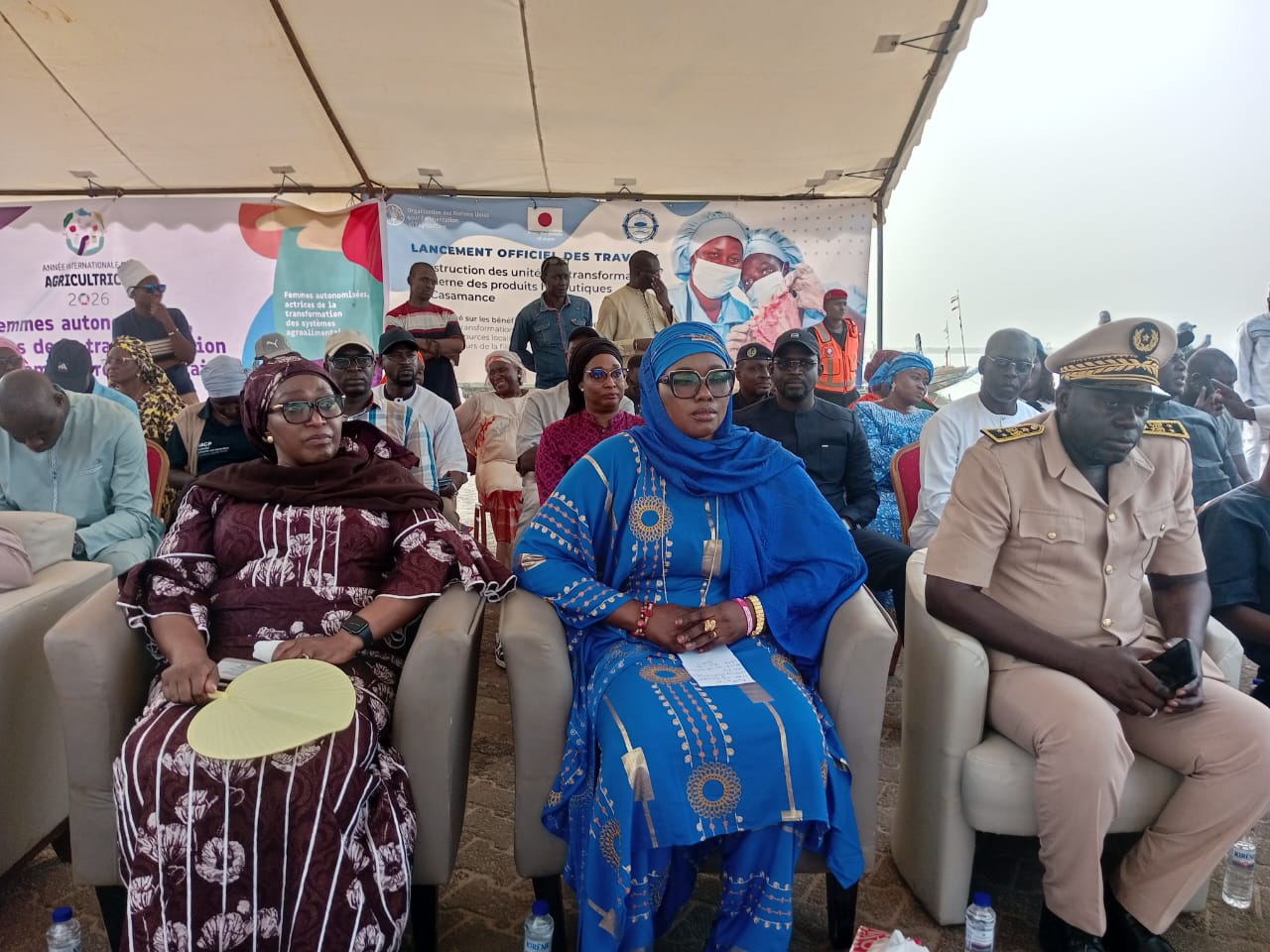
This action is part of the ANARÉ DIFAL project, funded by the Government of Japan and implemented by the FAO with the support of partners, including the World Bank.
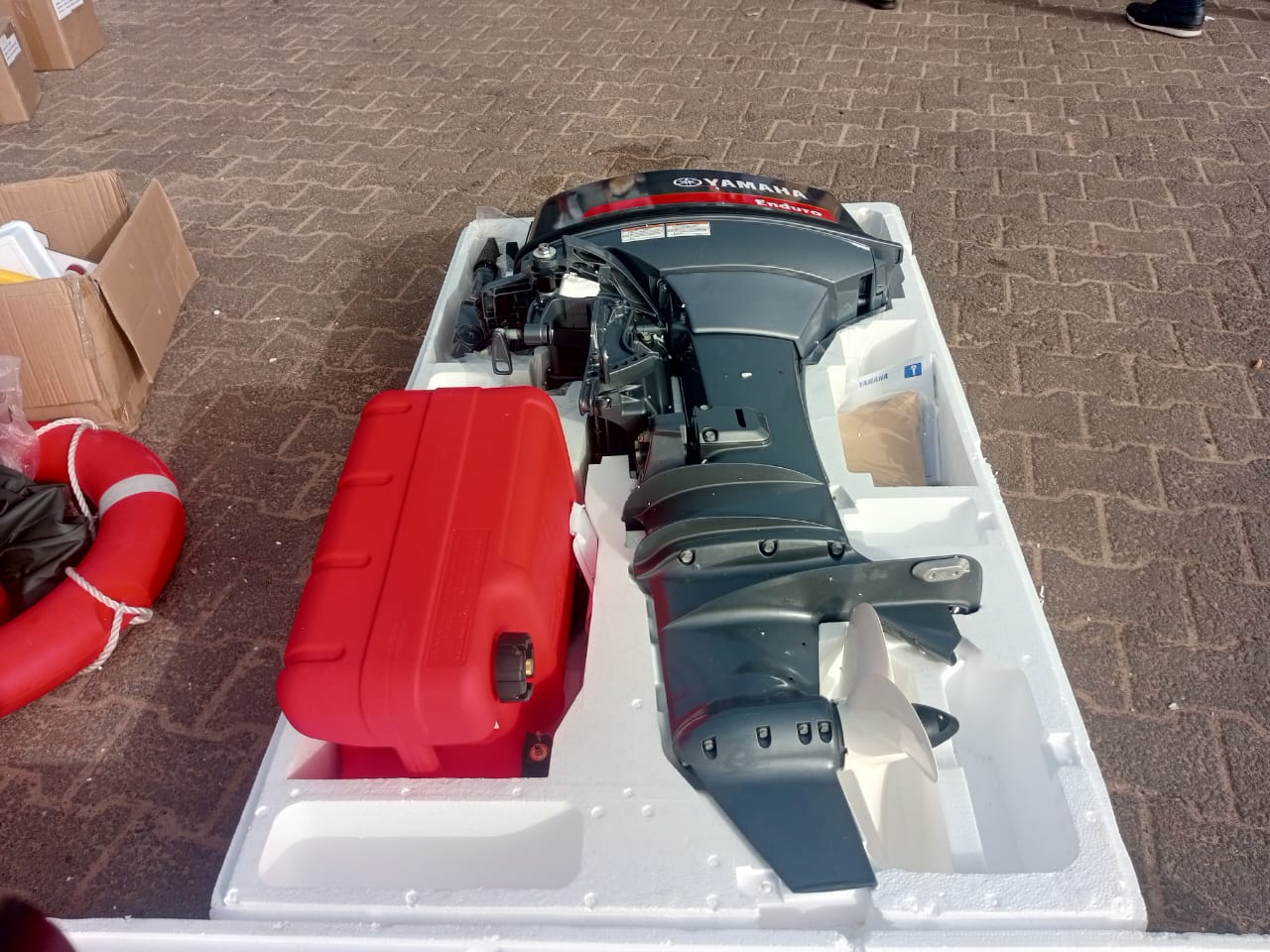
Addressing the beneficiaries, the minister paid a strong tribute to the women involved in the processing, preservation and marketing of fishery products.
Amy Mara Dièye emphasized that women fish processors are an essential link in the fisheries value chain and contribute directly to food security and the incomes of many Senegalese families. The equipment made available to them should help reduce post-harvest losses, improve the quality of processed products, and increase their earnings.
However, she stressed that the economic development of the sector must absolutely be accompanied by responsible management of marine resources.
Speaking on behalf of the FAO, the sub-regional coordinator for West Africa, Bintia Stephen-Tchicaya, praised an exemplary partnership between Senegal, Japan and the UN organization for the benefit of fishing communities in Casamance.