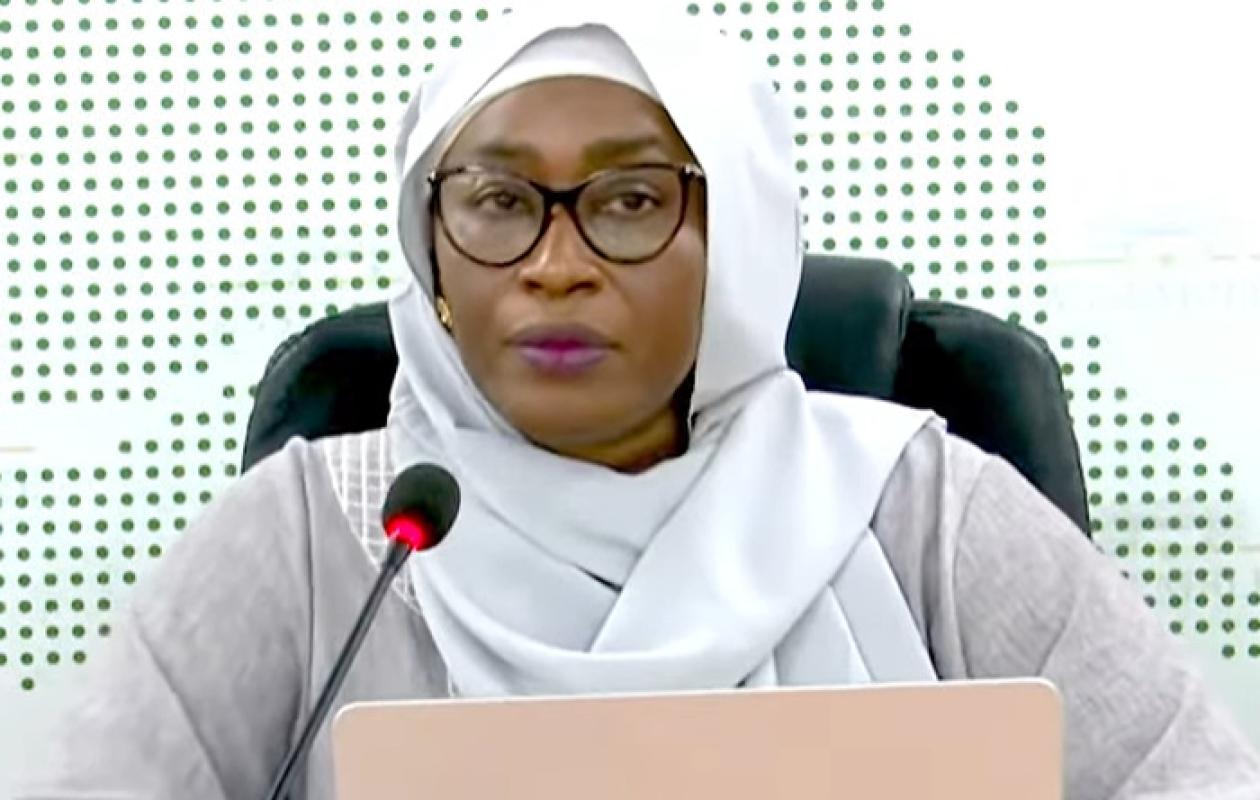
Affaire des « 2 000 ordinateurs fantômes » : auditionnée à l'assemblée, la directrice d’Oumou Group s'explique
The case of the 2,000 computers in the "One Student, One Computer" program has taken a new turn. Questioned by the parliamentary inquiry committee chaired by MP El Hadji Guèye, Fatou Seck, CEO of Oumou Group, gave her version of events. She formally denies the accusations of fictitious deliveries and asserts that she possesses documents proving the actual receipt of all the equipment.
At the heart of her defense: a clear distinction between the physical deliveries made and the outstanding financial balance that the State allegedly has not yet paid to her company. According to her, the controversy surrounding the 2,000 computers stems from a confusion between a State debt of 500 million FCFA and an alleged failure to deliver.
20,000 computers delivered, 500 million FCFA in unpaid bills
Facing the parliamentarians, Fatou Seck outlined the details of the contract for 20,000 computers, priced at 250,000 FCFA each. She stated that the equipment was delivered in two separate shipments.
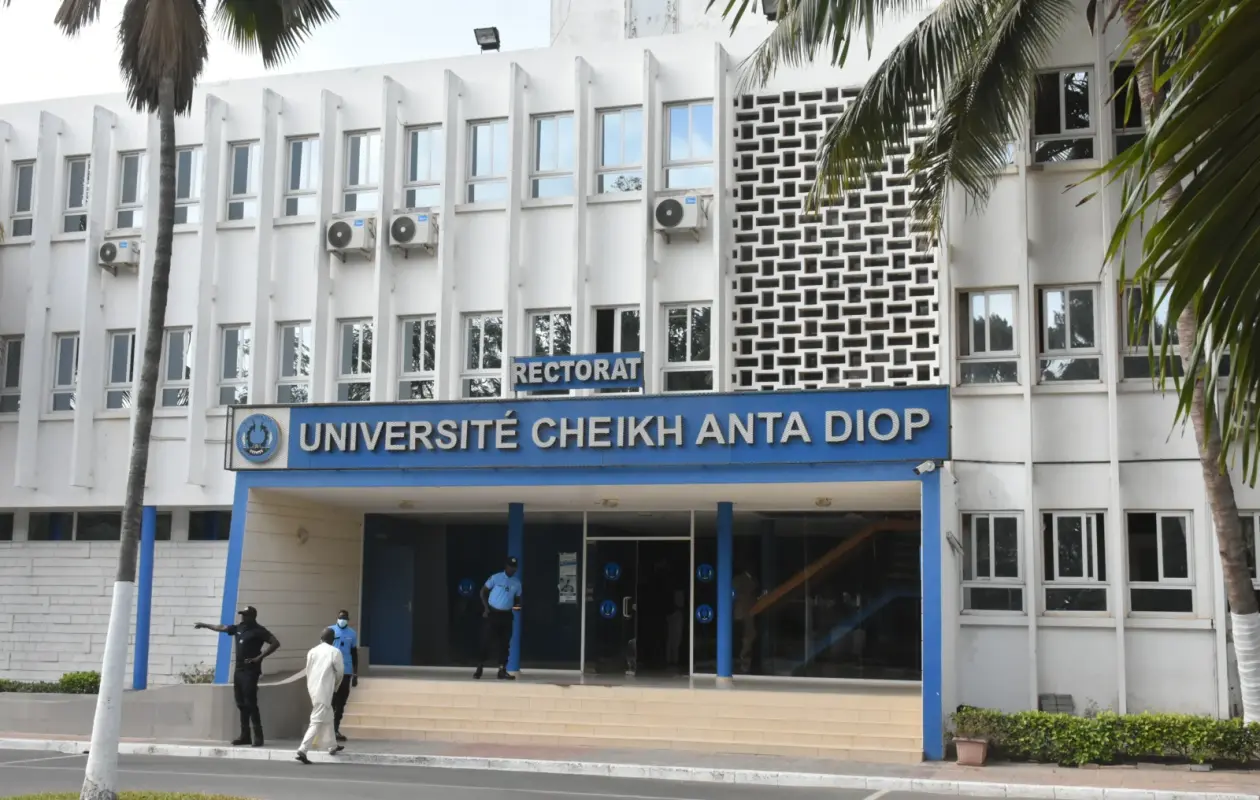
The first delivery took place on January 18, 2024. According to his testimony, an initial batch of 5,000 computers was airlifted to meet the urgent needs of universities. This delivery was reportedly documented in a receipt issued by the relevant committee of the Virtual University of Senegal (UVS, now Cheikh Hamidou Kane Digital University).
The second batch, consisting of 15,000 computers, was reportedly shipped by sea on February 16, 2024. The Director General asserts that the UVS receiving committee and the head storekeeper participated in the unloading and signed the corresponding reports. In total, the 20,000 Lenovo and HP computers were thus physically handed over to the university authorities. To support her claims, Fatou Seck states that she provided the commission with the original receiving reports and delivery slips.
A bank loan at the center of suspicion
But if all the equipment has been delivered, why is the figure of 2,000 computers at the center of the controversy? The answer put forward by the head of Oumou Group lies in the financial breakdown of the contract.
Of the total contract amount, which stands at 5 billion FCFA, the company states that it has received 4.5 billion FCFA from the public treasury, distributed in nine installments. These payments reportedly cover 18,000 computers. The remaining 500 million FCFA thus represents the value of the 2,000 remaining computers, and not, according to the company, the value of equipment that was never delivered.
Faced with cash flow problems and accumulated bank interest, the company reportedly requested administrative documents confirming the debt. Fatou Seck specifically mentions a certificate of non-payment and an irrevocable payment authorization issued by the Director of Administration and Finance (DAF) of the ministry, Aboubacar Ndiaye. These documents allegedly enabled her to obtain a cash advance from a partner bank covering 80% of the debt, in order to cover her company's operating expenses.
"This figure of 2,000 computers does not correspond to a phantom delivery, but to the administrative materialization of a debt of 500 million FCFA that the State owed us for equipment already delivered and received," the Director General argued before the deputies.
Oumou Group cites its history and provides its supporting documents.
Beyond the contested market, Fatou Seck also presented her company's history. Founded in 2005 as Oumou Informatique, Oumou Group has been ISO 9001 certified since 2015 and, according to its CEO, has a presence in nine African countries.
She also mentioned the execution of a previous contract signed in 2021-2022 for 5,000 computers worth one billion FCFA, which was fully delivered and paid for. The official stated that she had carried out all necessary compliance checks as part of her contractual obligations to the State.
Following her hearing, she submitted to the parliamentary committee all supporting documents that could substantiate her statements, including delivery slips and acceptance reports. It is now up to the members of parliament to examine these documents, compare them with other testimonies, and consider the administrative and financial documents in the file to establish that all 20,000 computers were indeed delivered.
















Commentaires (28)
Alors, sawil te teudi
Pourquoi alors l'émission frauduleuse d'un bon de livraison fictif de 2 000 ordinateurs par le Ministère pour la meme commande de 20 000 ordinateurs (á l'insu de Oumou Groupe‽).
Possible explication: quelqu'un a détourné les 500 millions restant de Oumou Groupe et, avec ce bon de livraison fictif, a fait (ou voulu faire) payer Oumou Groupe par l'état la somme détournée
C est du cirque mais le piege va se refermer sur eux.
C est eux les escrocs
Participer à la Discussion
Règles de la communauté
💡 Astuce : Utilisez des emojis depuis votre téléphone ou le module emoji ci-dessous. Cliquez sur GIF pour ajouter un GIF animé. Collez un lien X/Twitter, TikTok ou Instagram pour l'afficher automatiquement.
Se connecter
Commentez avec votre profil, votre photo, et soyez averti des réponses.