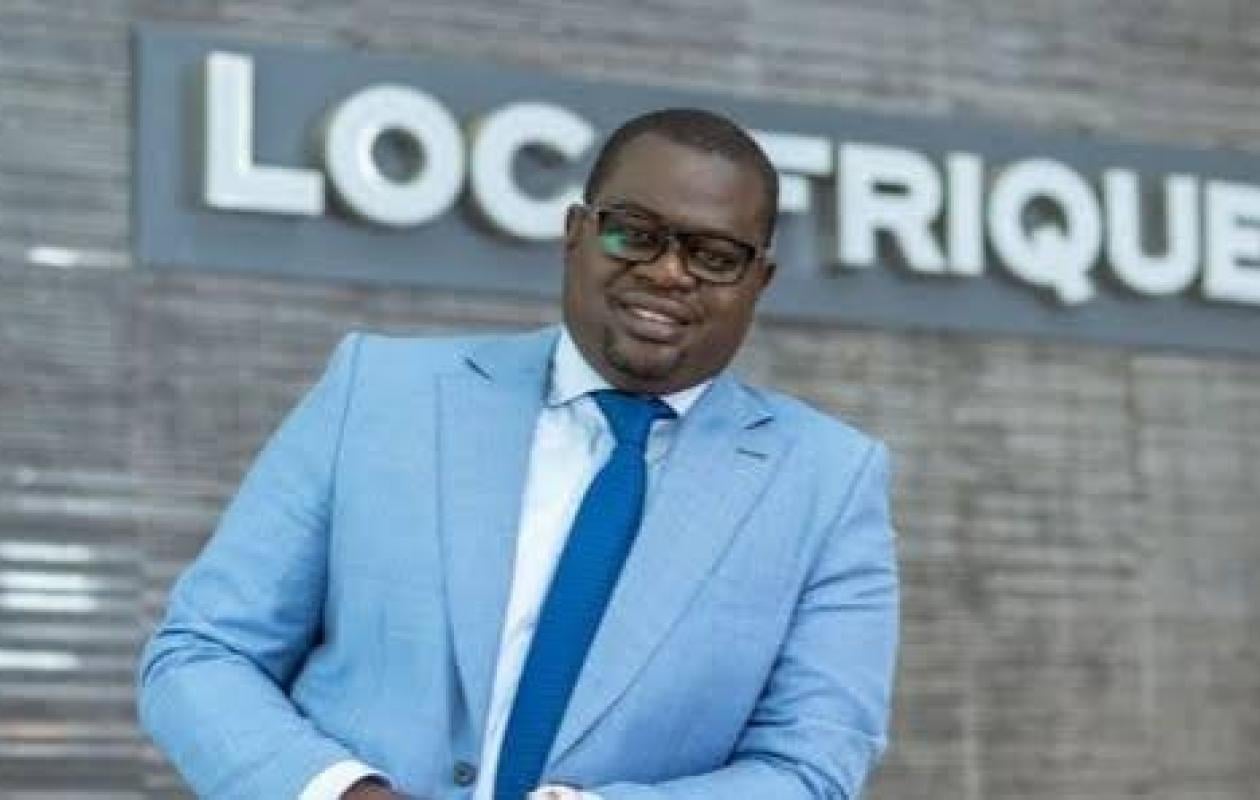
Affaire Khadim Bâ : Les enjeux techniques et juridiques d'un bras de fer douanier
The case between the Senegalese Customs administration and businessman Khadim Bâ, director of Locafrique, is raising significant technical and legal debates. Following a press conference held on Tuesday, June 9, 2026, the defense presented a series of supporting documents aimed at challenging the legitimacy of his continued detention. This case highlights major discrepancies between the findings of the customs administration, the expert reports, and the specific provisions of the Senegalese customs code.
To contextualize this case, the defense opened the proceedings by questioning the investor's status within the framework of economic sovereignty, formulating it as follows: "How can you imprison the man who guaranteed electricity for an entire country?" On the factual level, Khadim Bâ is described as a "Senegalese entrepreneur" who has not benefited from any "public funds" nor held any "government position."
According to press conference notes, its intervention was particularly active in the energy sector from 2011 to 2022. Faced with financial difficulties that prevented the African Refining Company (SAR) from paying its suppliers, leading to the power outages of the time, the private operator implemented pre-financing mechanisms. "It was the operator that raised the funds and made the lines of credit available to SAR, free of charge," at its own risk, thus stabilizing the electricity supply to national infrastructure. The document also reports that state structures, including regulatory bodies, benefited from this regulation of energy flows. In return for these operations, the defense notes that "the State owes it considerable sums for the pre-financed shipments, which have never been reimbursed."
Technical discrepancies: accusations versus expert reports
The Customs administration bases its prosecution on three specific charges: the use of "false documents/fictitious ships—ships that allegedly never arrived," the non-payment of "unpaid import duties," and the failure to "repatriate foreign currency—44 billion out of over 800 billion in revenue." The defense maintains that "each of these three accusations is refuted by evidence and by an expert appointed by the court itself."
The first contradiction raised concerns the actual delivery of the fuel. The defendant's lawyers reiterate that "Khadim Ba is NOT the importer. The importer is SAR (Société Africaine de Raffinage)." To support this assertion, they cite official correspondence from the refinery indicating that "the ships arrived, the duties were paid—with supporting documentation." This finding is validated by the Dakar-Petroleum sector platform as well as by the independent court-appointed expert, who confirms that "SAR = importer, duties = paid." Consequently, the document questions the Customs Service's position, which maintains that the ships were fictitious, while it "itself collected the duties, as evidenced by its own stamped receipts."
The second point of contention concerns exchange control regulations. The defense reports emphasize that "all transactions" were conducted "in CFA francs, on Senegalese soil," concluding that "nothing left the country" and that "the Central Bank of West African States (BCEAO) validated all of these operations." From a strictly legal standpoint, the document argues that "no law requires the repatriation of income from services received abroad," and that a BCEAO directive on this matter is currently being drafted. The financial expert report commissioned by the court goes further, concluding that the operator "repatriated FOUR TIMES the amount claimed by Customs."
Finally, the arrest procedure raises legal concerns. The defendant was apprehended at his office the day before his official summons and was "interrogated without legal representation," as the administration refused to allow him to submit his documents to the case file during the interrogation. In his statement, he "formally rejects all accusations and denounces Customs' refusal to allow him to defend himself," while his lawyers express surprise that the action is focused on an intermediary rather than on direct importers and freight forwarders.
Handling economic disputes and constraints of customs legislation
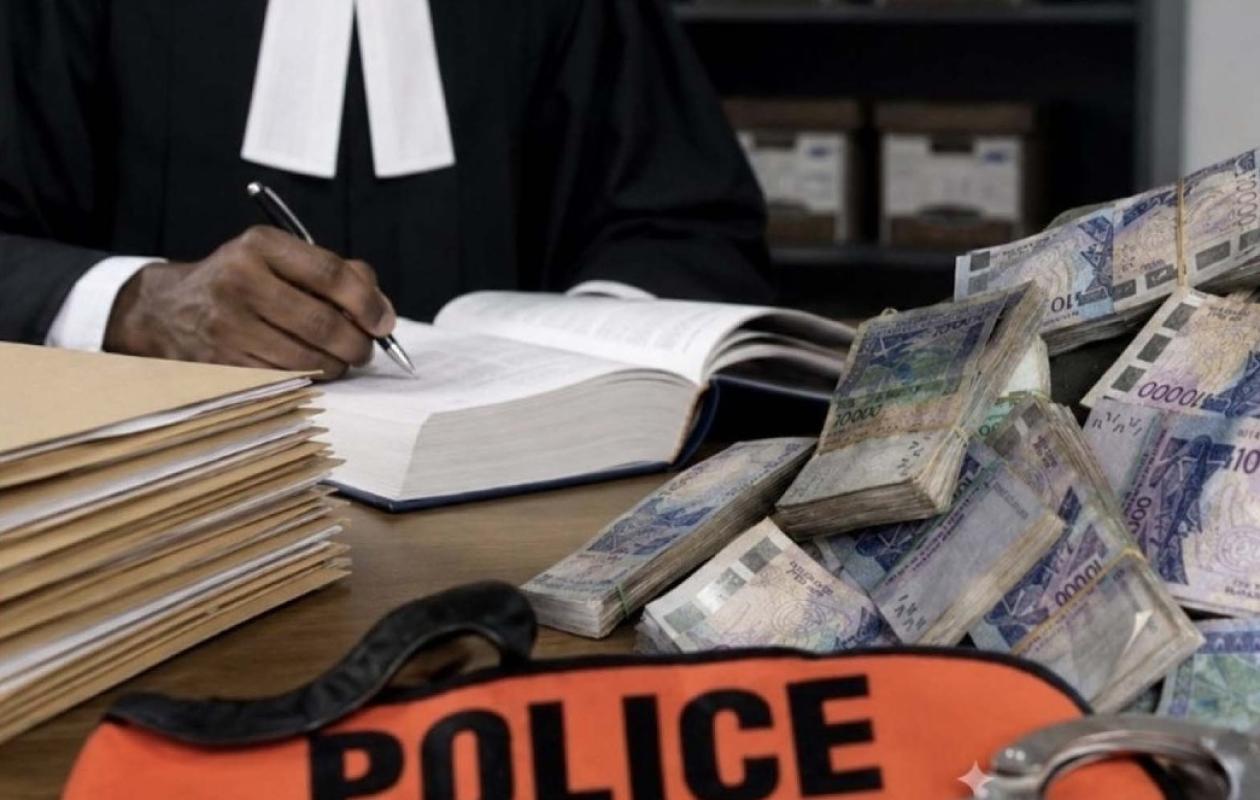
The case also raises the issue of equal treatment in resolving customs-related financial disputes. The defense's documents cite the comparative case of a "Czech national (Dec. 2024)" for whom "200 billion in claims" resulted in a "negotiated agreement" and the payment of "32 million" before his release. The document contrasts this amicable settlement with the situation of the Czech businessman, who remains in pretrial detention.
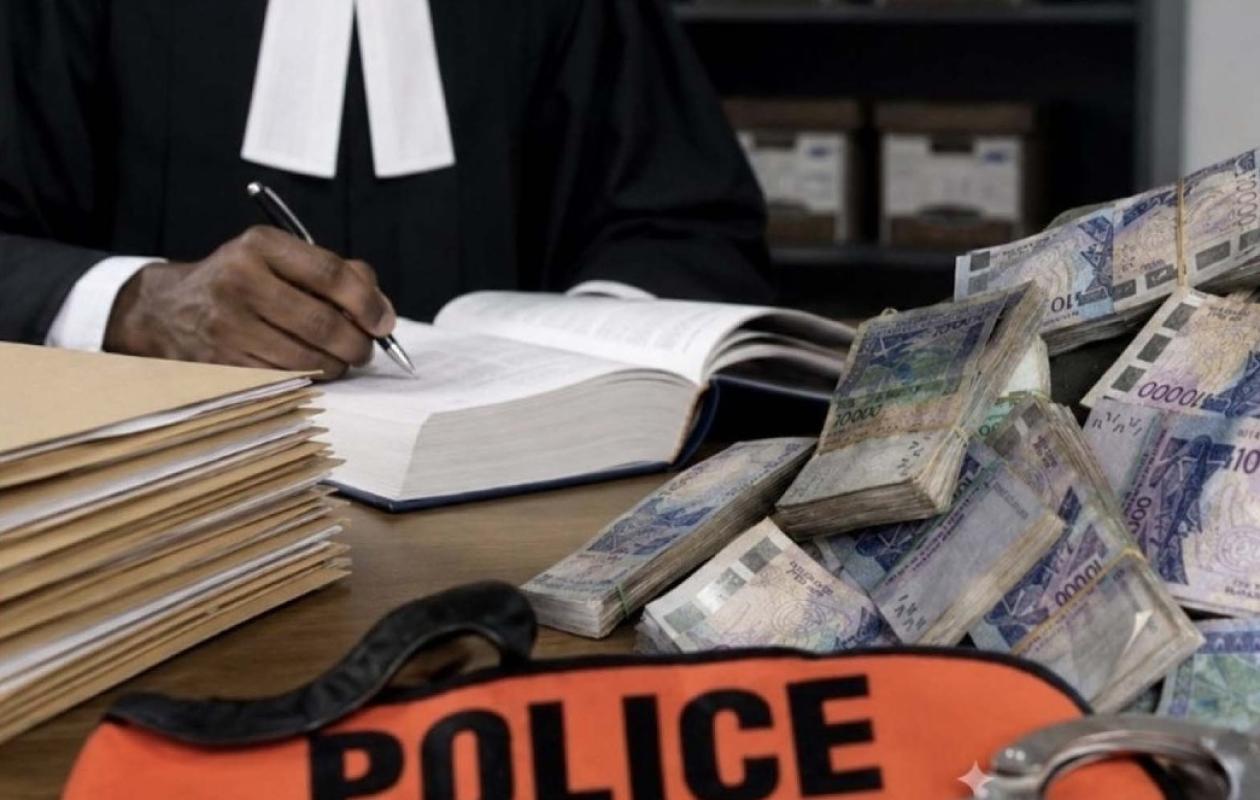
This automatic detention stems from a strict peculiarity of Senegalese customs law. Unlike ordinary criminal procedure, where the magistrate oversees the actions of investigators, the current customs code stipulates that a judge CANNOT verify the validity of a customs report. Consequently, even if the customs report is flawed, the judge is OBLIGED to detain the accused individual. The defense characterizes this mechanism as a violation of fundamental rights and a legal loophole that threatens all Senegalese citizens.
In conclusion, the signatories of the document appeal to the Head of State for institutional arbitration. Their demands center on guaranteeing a "fair and transparent trial," revising the customs code to rebalance the judge's discretionary powers, and clarifying the criteria for implementing amicable settlements between domestic and foreign operators. The address ends with this warning: "A strong Senegal cannot be built by imprisoning those who have built it. Mr. President, Senegal is watching. History will judge."
















Commentaires (9)
Participer à la Discussion
Règles de la communauté :
💡 Astuce : Utilisez des emojis depuis votre téléphone ou le module emoji ci-dessous. Cliquez sur GIF pour ajouter un GIF animé. Collez un lien X/Twitter, TikTok ou Instagram pour l'afficher automatiquement.