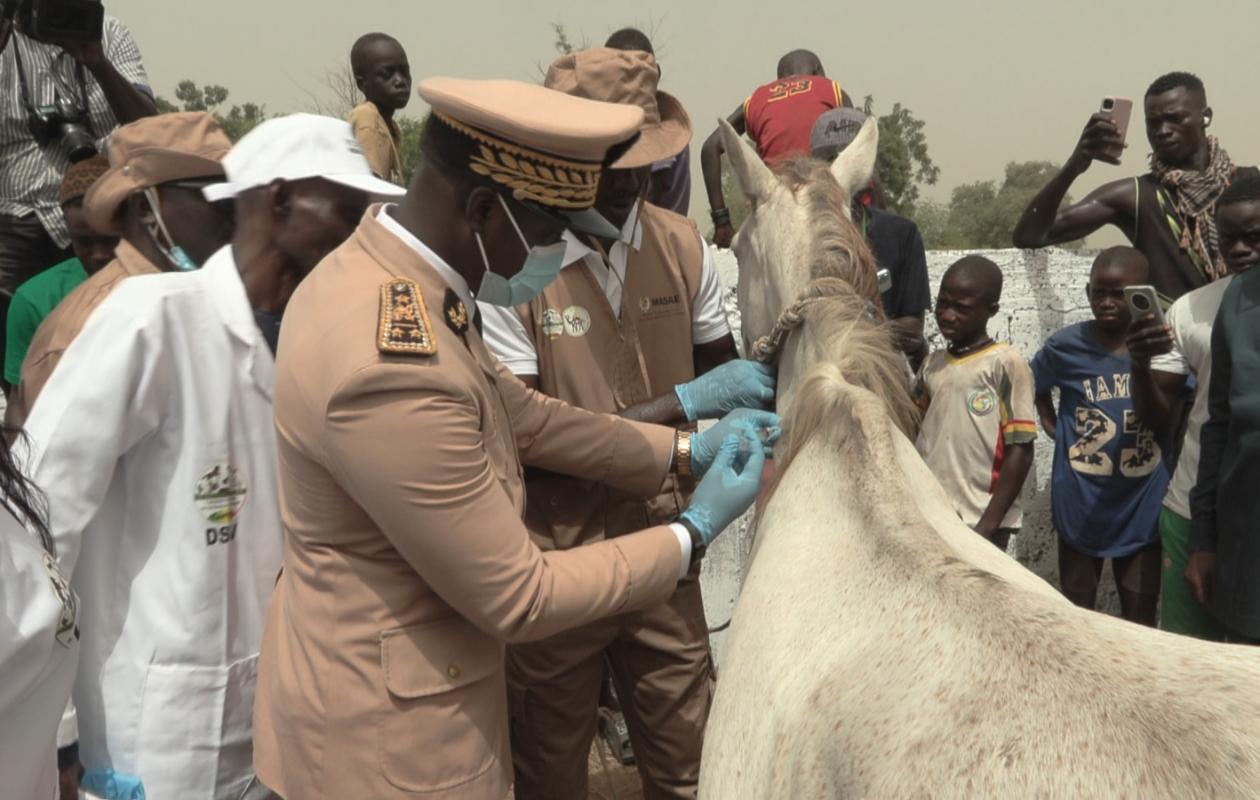
Campagne de vaccination du cheptel 2026-2027 : le Sénégal vise 8 millions de petits ruminants et 3,1 millions de bovins
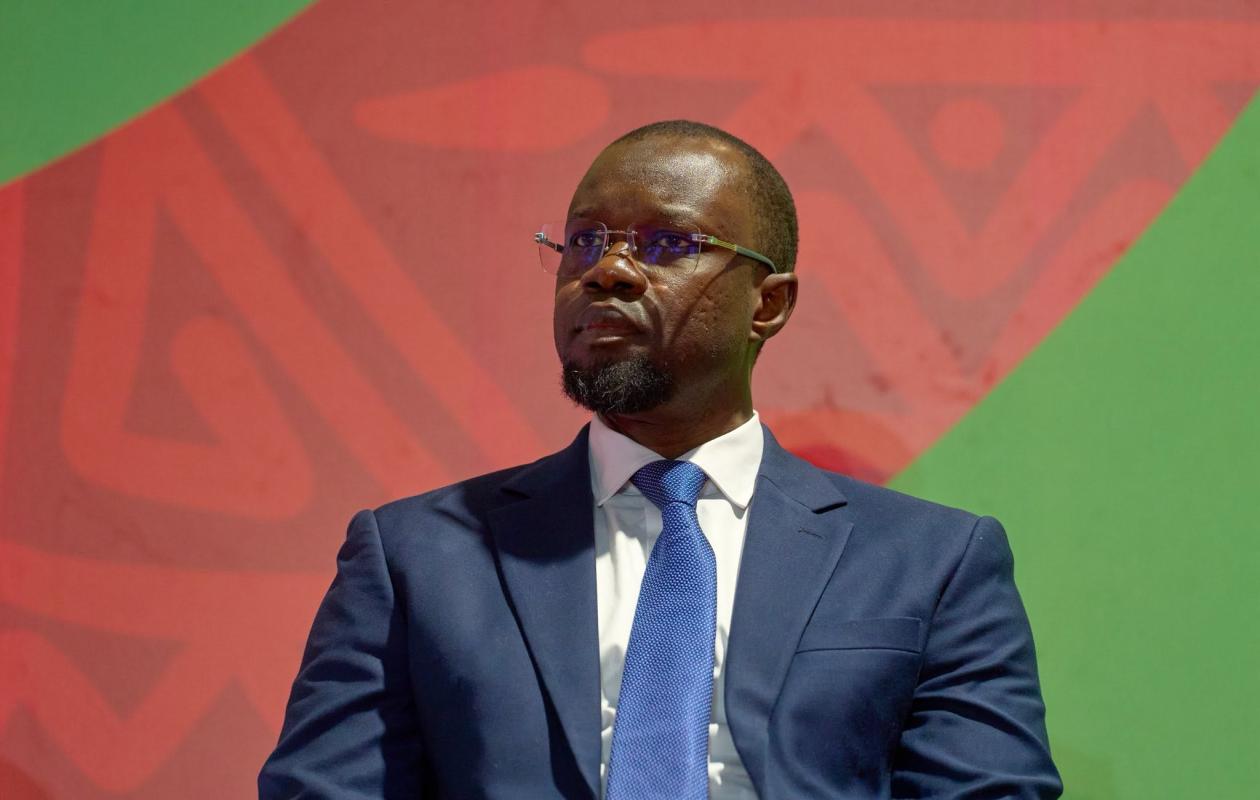
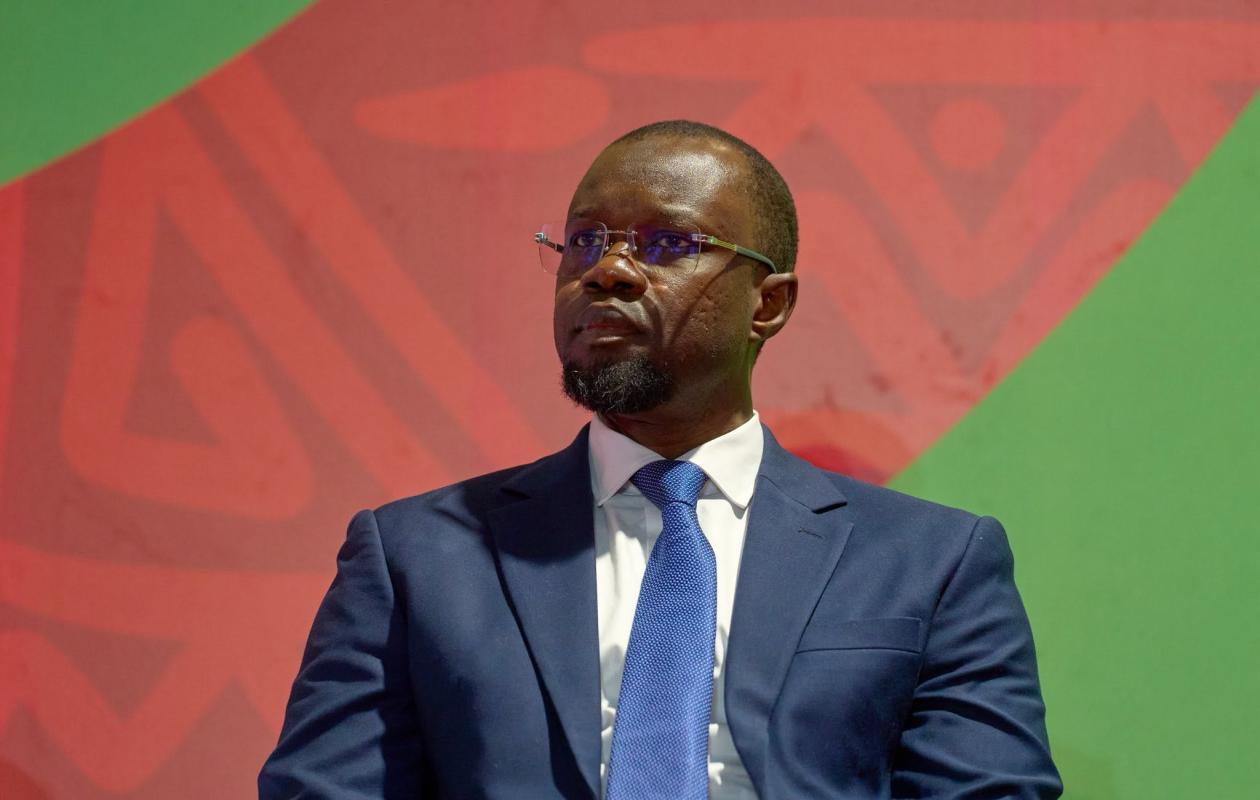
The 2026-2027 national livestock vaccination campaign was officially launched in Ndiaganiao by Ousmane Diagne, Minister Delegate to the Minister of Agriculture, Food Sovereignty and Livestock, responsible for Livestock. Strengthening vaccination coverage, preventing animal diseases, and securing the livelihoods of millions of Senegalese families: this is the ambition of the authorities.
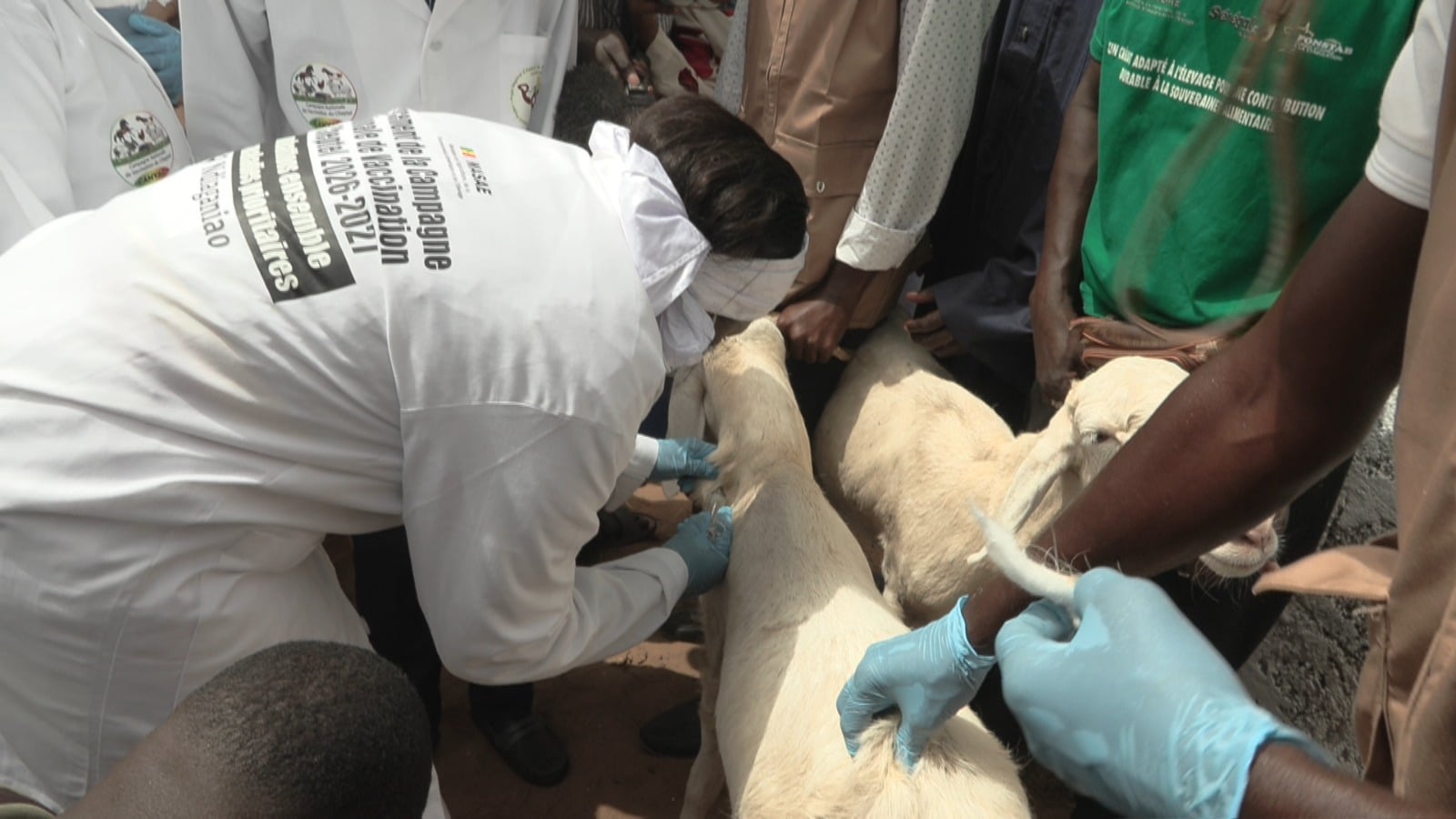
After results deemed encouraging in 2026, with more than 7 million small ruminants and more than 2.7 million cattle vaccinated against each of the main targeted diseases, the authorities intend to intensify operations across the entire national territory.
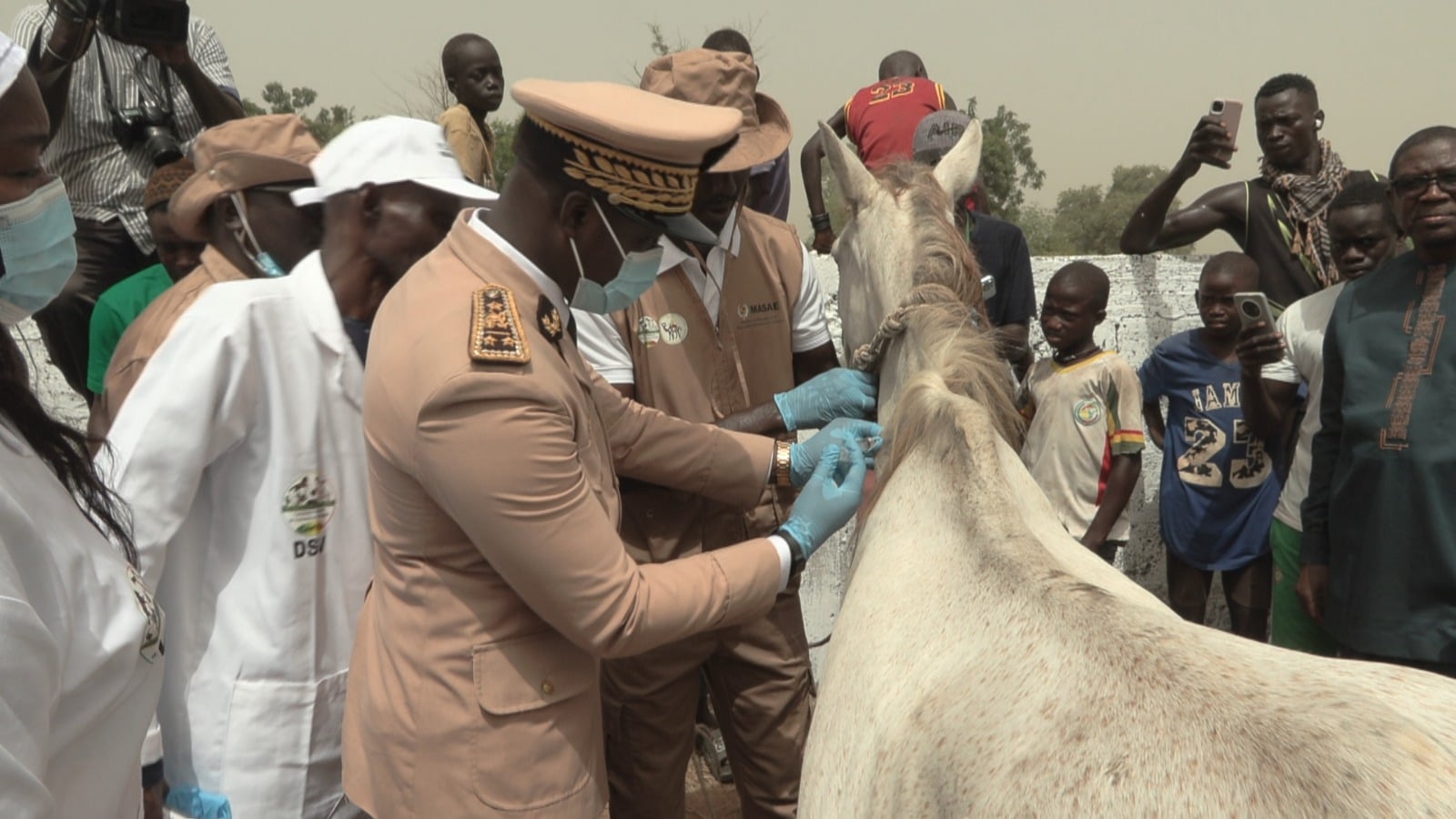
For this new campaign, the targets are set at 8 million sheep and goats, 3.1 million cattle, 300,000 horses and 2 million rural poultry.
Five priority diseases are targeted: peste des petits ruminants, contagious bovine pleuropneumonia, contagious bovine lumbosacral dermatosis, African horse sickness and Newcastle disease.
For Minister Ousmane Diagne, the choice of Ndiaganiao to host the official launch was not accidental. It reflects the government's desire to bring public action closer to the territories and to place livestock farmers at the heart of its food sovereignty policy.
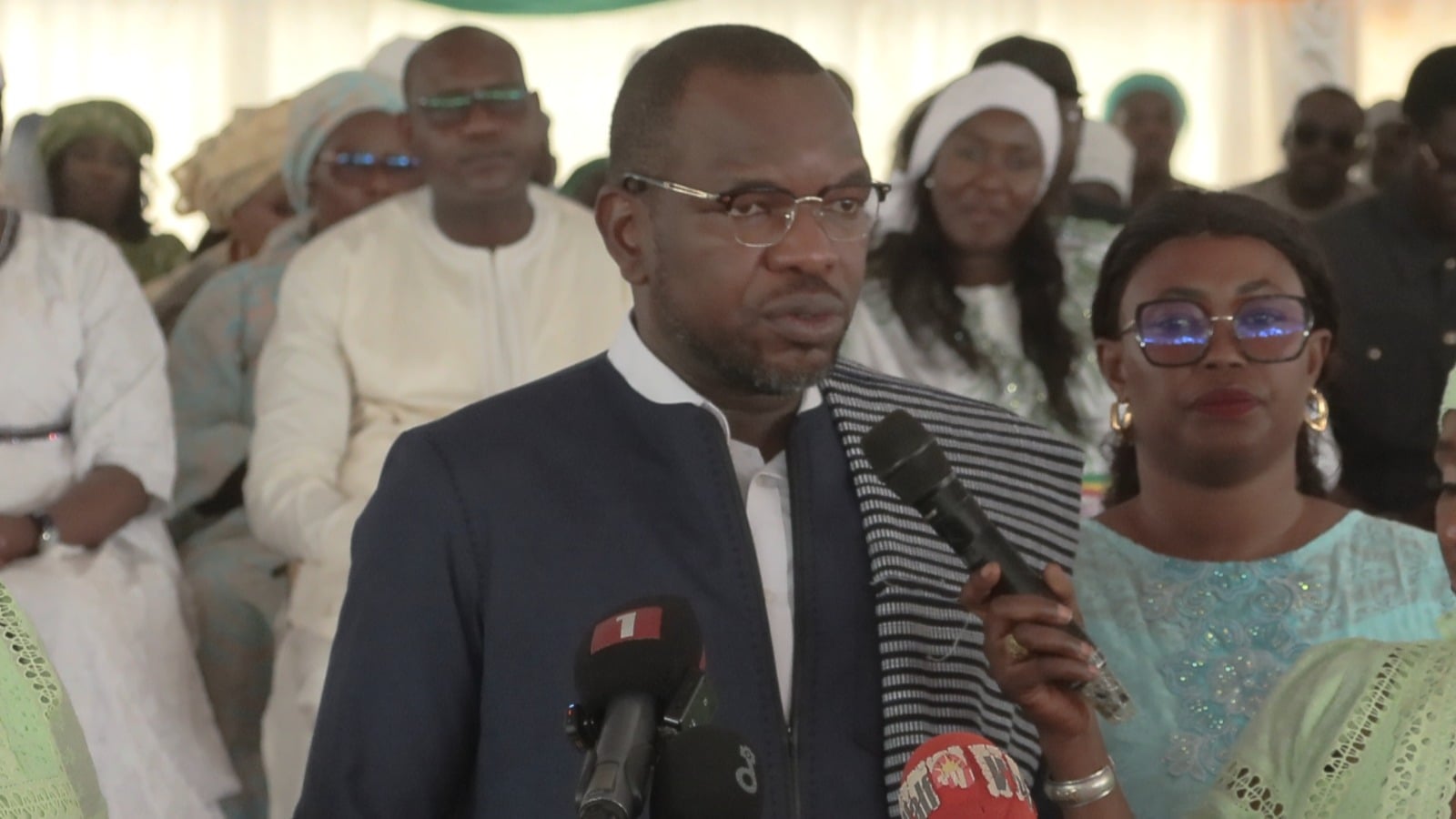
“Protecting our livestock means protecting our economy, our food security, and the livelihoods of millions of Senegalese. Livestock farming supports millions of families. It creates jobs, generates income, and contributes directly to our food sovereignty. That is why animal health is not a sectoral issue. It is a national economic, social, and health priority. Vaccination is our first line of defense in this regard,” he said.
Emphasizing the economic and health stakes, the minister also called on veterinary services, local authorities, professional organizations and farmers to mobilize fully.
“No territory should be left out. No farmer should be left without protection for his livestock,” he argued, assuring that the state would ensure the availability of vaccines and the strengthening of equipment, infrastructure and the cold chain.
Ndiaganiao is calling for more livestock infrastructure
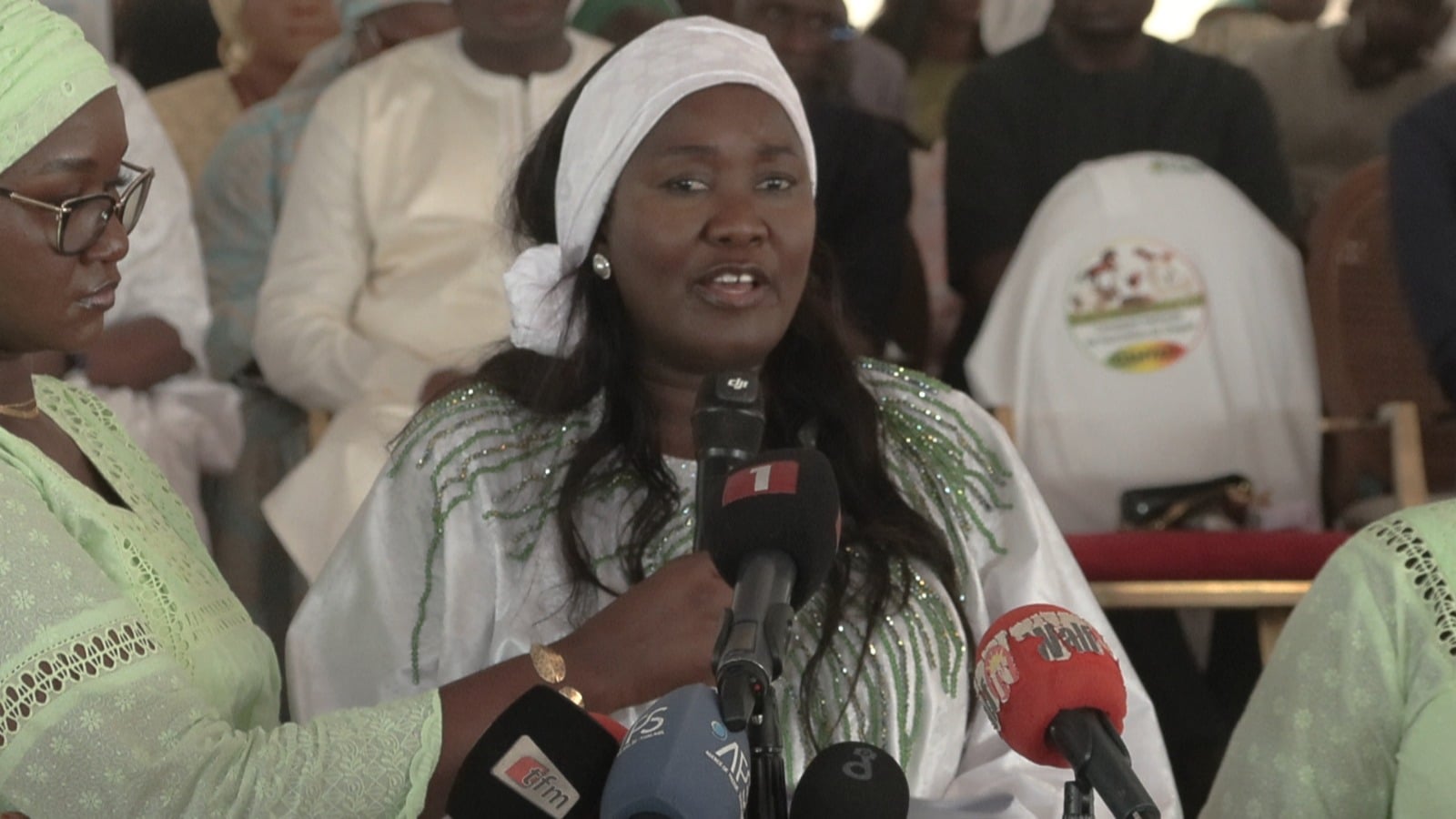
Taking advantage of the ceremony, the mayor of Ndiaganiao, Tening Sène, emphasized the central role of livestock farming in the local economy. In this predominantly agropastoral community, almost all households raise poultry, small or large ruminants.
The horse also occupies an essential place in agricultural activities, particularly for plowing, sowing and transporting crops.
"Vaccination should no longer be seen as an administrative constraint, but as an essential shield to secure our investments and guarantee public health," the mayor reminded.
While welcoming the handover of a new vaccination park in Ndiaraw, as part of the FRSP, as well as the ongoing construction of a veterinary post, Tening Sène submitted several grievances to the minister.
In particular, she called for the creation of new vaccination parks, livestock markets and modern slaughterhouses, as well as capacity building for stakeholders and better access to financing.
According to her, these investments would modernize the sector, improve sanitary conditions, strengthen the traceability of animal products and generate additional resources for the community.
The mayor finally urged farmers to collaborate closely with veterinary services to ensure maximum vaccination coverage in the villages.
For Ousmane Diagne, the success of this campaign goes beyond the livestock sector alone. It represents a strategic investment for the national economy.
"Vaccinating is preventing, vaccinating is protecting, vaccinating is investing," he concluded.















Commentaires (4)
Les zoonose peuventt se déclencher de n'importe quel foyer
Participer à la Discussion
Règles de la communauté
💡 Astuce : Utilisez des emojis depuis votre téléphone ou le module emoji ci-dessous. Cliquez sur GIF pour ajouter un GIF animé. Collez un lien X/Twitter, TikTok ou Instagram pour l'afficher automatiquement.
Se connecter
Commentez avec votre profil, votre photo, et soyez averti des réponses.