Casamance : Pourquoi l'humidité et le soleil font exploser les affections cutanées selon les dermatologues
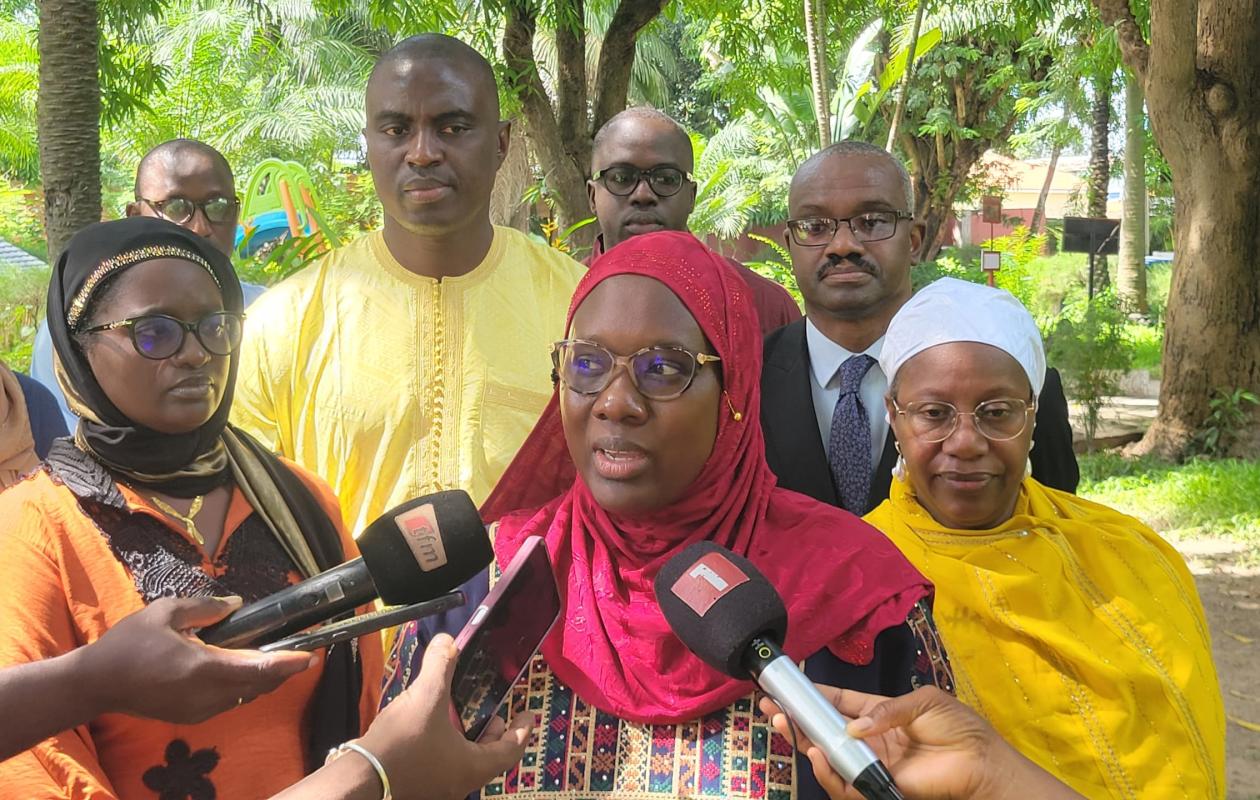
Gathered in Ziguinchor for the fourth Scientific Conference of the Senegalese Society of Dermatology and Venereology (SOSEDEV), specialists, researchers, and health authorities highlighted the numerous challenges facing this medical discipline. Between the resurgence of skin diseases, the impacts of climate change, the lack of modern equipment, and the need to strengthen prevention, dermatologists are calling for a national mobilization to improve the quality of care in Senegal.
The southern capital is hosting experts from across the country to discuss ways to better manage dermatological conditions that affect thousands of people daily. The choice of a theme focused on photodermatology and photobiology is significant. Specialists have observed that ultraviolet radiation, exacerbated by climate change, is having increasingly serious consequences on the skin health of populations.
According to Professor Fatimata Ly, president of the Senegalese Society of Dermatology and Venereology, it is becoming increasingly urgent to provide more training for healthcare professionals on the importance of photoprotection. Many conditions are caused, aggravated, or perpetuated by sun exposure, not to mention the growing risk of skin cancer, which requires a strengthened prevention strategy and increased public awareness.
This scientific meeting also helped to strengthen the skills of local practitioners. Acne — the main reason for consultation —, pediatric dermatology, wound care and healing techniques, as well as sexually transmitted infections (STIs), were at the heart of the practical workshops intended for general practitioners, nurses, pharmacists and heads of health posts.
Increased staffing levels versus a shortage of advanced equipment
Despite significant progress in human resource training—Senegal has gone from fewer than ten dermatologists in 2008 to nearly one hundred today—major obstacles remain. While this increase in staff has allowed for better coverage of the interior regions, access to modern technologies remains the sector's main weakness.
Diagnostic and treatment methods have evolved considerably worldwide thanks to dermoscopy, confocal microscopy, and medical lasers. However, this cutting-edge equipment remains largely insufficient in Senegalese public health facilities. Practitioners are therefore calling for increased support for research in order to establish a precise epidemiological map of dermatological diseases in the country and to more effectively guide public health policies.
Climatic specificities in Casamance and the hope of teledermatology
In Ziguinchor, the most common skin conditions remain fungal infections and eczema. According to dermatologist Diama Sakho, the Casamance region's unique climate, characterized by high humidity and abundant vegetation, promotes the proliferation of these conditions. Beyond these common ailments, specialists emphasize the hidden risks posed by solar radiation to the local population.
Representing the Minister of Health and Public Hygiene, Dr. Aminata Diop emphasized that skin health is a major public health issue. She reaffirmed the need to strengthen prevention through health education, combating cosmetic skin lightening, promoting sun protection, and early detection of skin cancers.
Faced with medical deserts, experts are placing great hope in teledermatology. This digital solution will allow healthcare workers in remote areas to remotely access the expertise of specialists, thus reducing territorial inequalities in access to specialized care.
At the conclusion of the Ziguinchor conference, one observation is clear: Senegalese dermatology is undergoing a profound transformation, but its development requires targeted investments in equipment and strengthened institutional support. For specialists, skin health is no longer simply a matter of aesthetic comfort, but a public health imperative and a key to quality of life for all populations.


















Commentaires (2)
Participer à la Discussion
Règles de la communauté
💡 Astuce : Utilisez des emojis depuis votre téléphone ou le module emoji ci-dessous. Cliquez sur GIF pour ajouter un GIF animé. Collez un lien X/Twitter, TikTok ou Instagram pour l'afficher automatiquement.
Se connecter
Commentez avec votre profil, votre photo, et soyez averti des réponses.